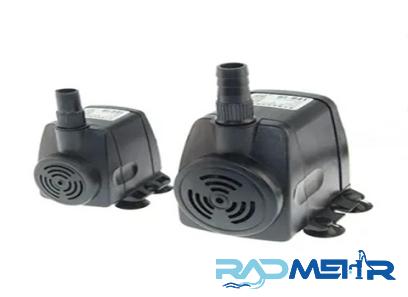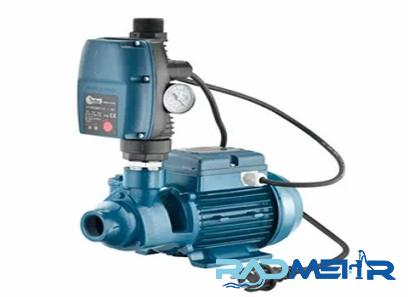
Price of Centrifugal Water Pump for Irrigation
There are four distinct types of centrifugal water pump, each with its own unique price point, that is appropriate for the irrigation of lands
Channel Impeller: This turbine has three to four blades between 270 and 450 mm
The blades have a double reversal curvature, and radial action, and are closed between the hub and crown discs
In open wheels, the hub is inclined to further back
As a result, these impellers are less efficient than ones with more blades and a backward-sloping hub
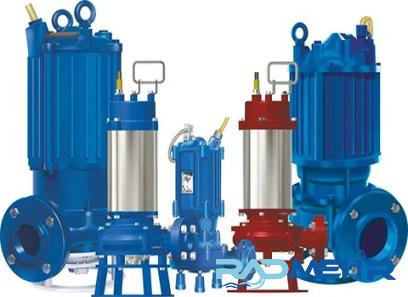
These devices allow large interior channels through which sewage with suspended material can flow
Vortex Impeller: This impeller features nine blades and radial unwinding
This paddle wheel has no crown disc, while the hub disc has a “spoon” motion in cross-section; the hub tilts the wheel in its housing
Because the liquid isn’t directed, this turbine is less efficient
Spiral Vane Impeller: A novel impeller developed for dense, viscous liquids or solutions with dry residue
Depending on viscosity, the impeller has two or four blades (over the entire size range)
Two symmetrically positioned blades spiral from the hub to the suction nozzle
This impeller lacks a crown disk; instead, the tight space between the vanes and the casing wear plate provides liquid sealing
It has better suction than channel and vortex impellers
Closed impellers: This impeller has five to seven blades ranging from 125 to 550 mm
Low count pumps (high heads and low flow rates) have vanes with a single back curvature and radial motion, while high count pumps (low heads and high flow rates) have vanes with a double back curvature and mixed axial motion
Blades are enclosed between the hub and crown discs
This type of wheel’s efficiency ranges from 0
60 to 0
83
This impeller suits clean or weakly polluted liquids
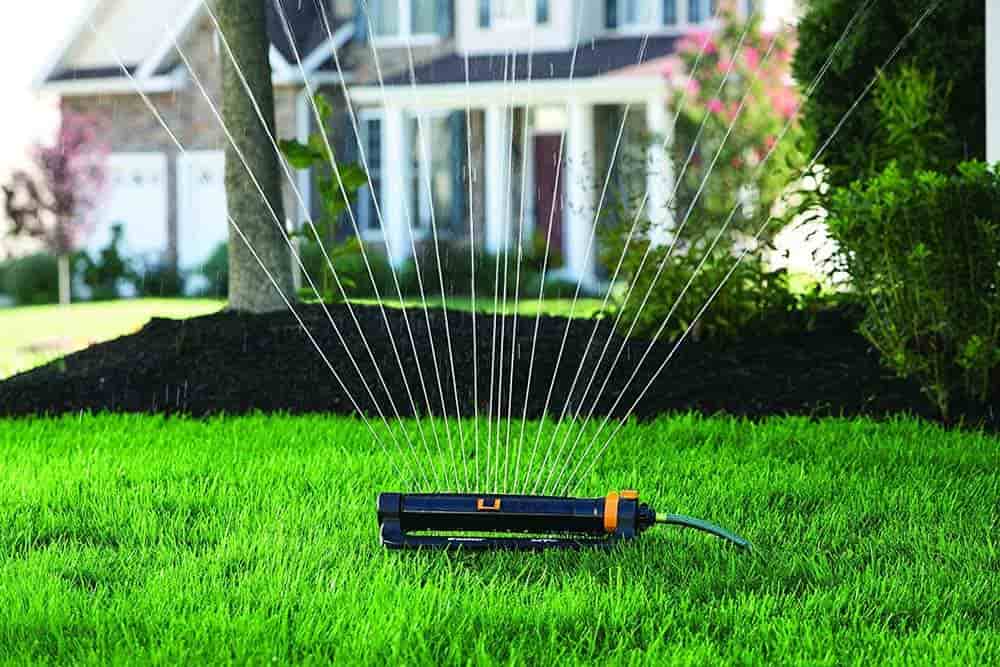
Pump
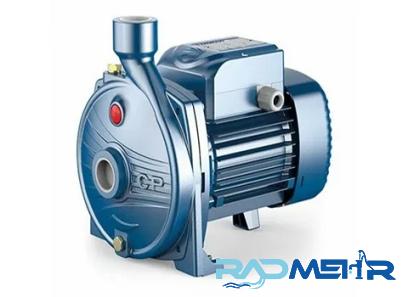
Centrifugal Water Pump
Centrifugal pumps are devices that are driven hydraulically and are distinguished by their capacity to transfer energy to water (particularly liquids) through the action of a centrifugal force field
This feature distinguishes centrifugal jet pump from other types of pumps
The increase in pressure serves the primary function of facilitating the transport of liquids
Even though centrifugal pumps can take on various forms, their fundamental mode of operation and the flow dynamics they exhibit are always the same
A rotating impeller inside the casing is the essential component of centrifugal pumps
The impeller has several vanes inside of it, and the vanes are often designed in a radial pattern
These vanes are responsible for transferring the fluid’s kinetic energy to the fluid that is being pumped
The casing has pressure and suction nozzles for the medium being pumped through it
The axis of the suction nozzle is aligned with the axis of rotation of the wheel
Still, the axis of the pressure nozzle is perpendicular to the wheel’s axis and always lies in the plane that passes through the axis itself
The liquid that will be pumped enters the pump constantly through the suction port located in the middle of the impeller
After that, it is propelled in a radial direction until it reaches the edge of the impeller, at which point it enters the housing and is accelerated there
The thrust that the blades of the turbine can transfer to the flow of the fluid, thanks to the curvature of those blades, causes an acceleration of the flow of the liquid
The fluid acquires energy as a result of this process, most noticeably in the form of an increase in its typical velocity (kinetic energy)
Because the section progressively increases in the direction of movement, the liquid is properly slowed down inside the case thanks to the gradual increase in the section
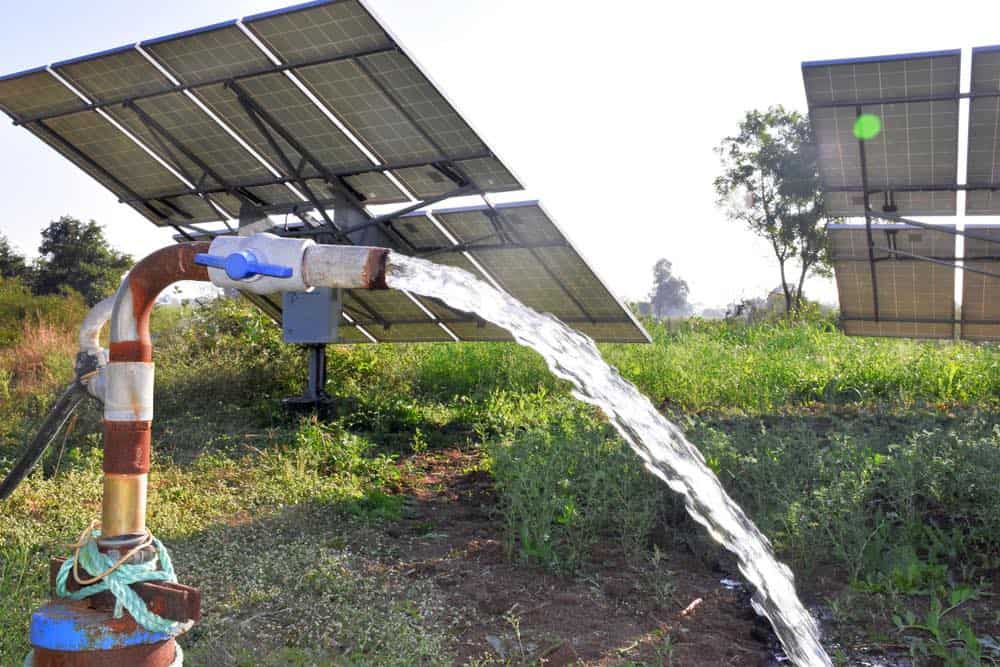
Self-Priming water pump
Centrifugal Pump for Irrigation
The history of centrifugal pumps goes back quite a way for lots of applications that these pumps can do like irrigation for agriculture
In terms of both their function and their design, they have not undergone many changes
Every pump nozzle has its own rotor, known as an impeller
A drive shaft is what allows the turbine to rotate
Increases the rate at which pumped fluid is moving
The liquid is moved to the edge of the pump impeller by the centrifugal force generated by the pump
As a consequence of this, the liquid is moved to the opening of the pump which serves as the outflow
At the same time, a zone of negative pressure is generated at the inlet aperture of the centrifugal pump, which draws an increasing amount of fluid into the device
According to this theory, even extremely high throughputs are capable of being powerfully handled in a continuous fashion in a manner that is both efficient and lasting
As a result of this, centrifugal pumps are an extremely well-liked option for use in industrial and continuous processes
Each and every day presents a challenge for the use of water technology: fresh and clean water
The criteria for modern water management systems are often quite complicated
Failure is not an option; nonetheless, systems need to run for decades in the most economically and energy-efficient way possible
Because of this, planners, engineering companies, and operators need a seasoned partner that is familiar with the application down to the smallest detail and can, as a result, choose the appropriate goods
These are pumps and valves that ensure reliable operation at a cheap cost per cycle and with minimal downtime

Self priming pump
Price of Centrifugal Water Pump
The cost of centrifugal pumps is determined by a variety of different factors
The price of a water pump can be determined, in part, by the alloy quality of the parts that are used in the pump, such as the impeller, shaft, and bearings; the strength of the pump body; and the quality attributes of the pump
Centrifugal pump casings are often composed of cast iron, stainless steel, cast steel, bronze, composite, carbon steel, alloy steel, and non-metallic materials
When selecting materials, the following characteristics must be considered: strength; corrosion resistance; abrasion resistance; casting and machining performance; weld repair performance; and cost
Now we reach the specific introduction
Cast iron
Cast iron is the best material for liquid handling
Cast iron can withstand single-stage pump pressure
Middle-temperature nodular cast iron is common
When gray iron and ductile iron aren’t corrosion-resistant enough, high-nickel cast iron is used for pump casings
D2W is a novel corrosion-resistant nickel casting material with good weldability
Niobium improves the weldability of this material
1
592% nickel austenitic cast iron is used in salt water
Stainless Steel
Most stainless steel is austenitic
Austenitic stainless steel is the most extensively used corrosion-resistant material for chemical pumps, except for hydrochloric and dilute sulfuric acids
High-alloy (Alloy 20) and double stainless steel are also corrosion-resistant
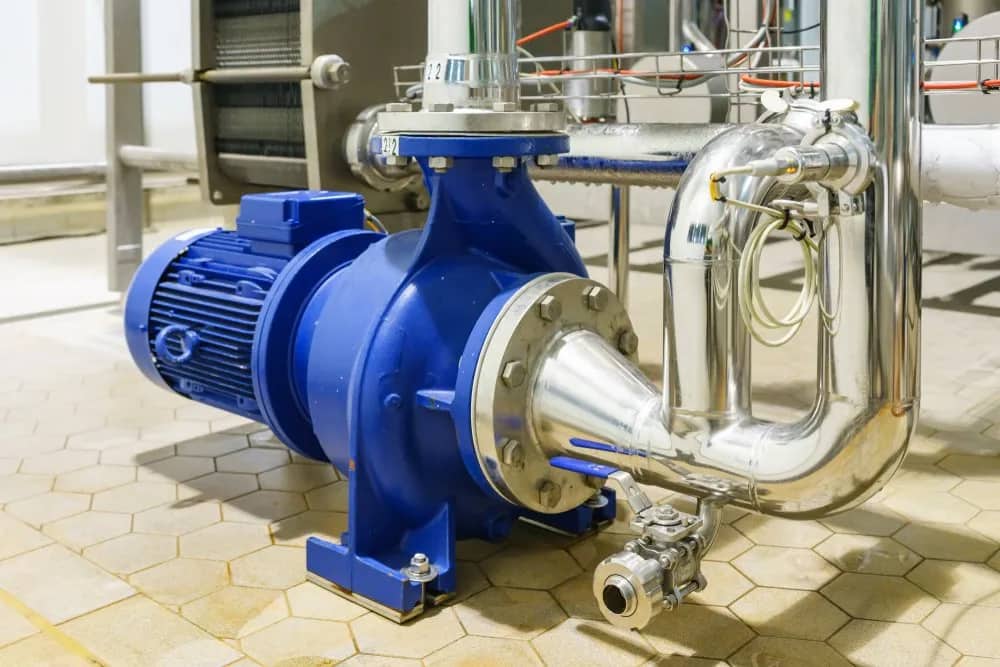
Self-Priming trash pump
Cast Steel
Cast steel or cast stainless steel should be utilized for corrosive petroleum products or when the multistage pump outlet pressure surpasses 13
8MPa
Martensitic stainless steel is utilized in hydrocarbon and boiler feedwater pumps
Martensitic stainless steel has good mechanical qualities and can withstand high pressure, but its corrosion resistance is lower than other varieties
Pump casings are commonly made of austenitic stainless steel (CF-8M, CF-3M, etc
)
Austenitic stainless steel has firm attrition resistance and may be easily welded on site
Repair
High-pressure injection pumps for shallow seawater must be corrosion- and mechanically resistant
The pump body is duplex (ferrite + austenite) stainless steel