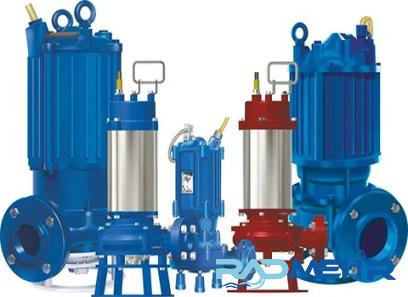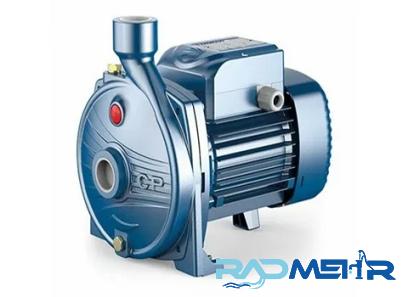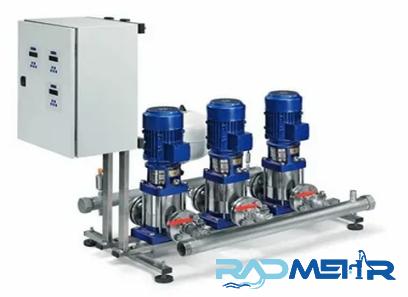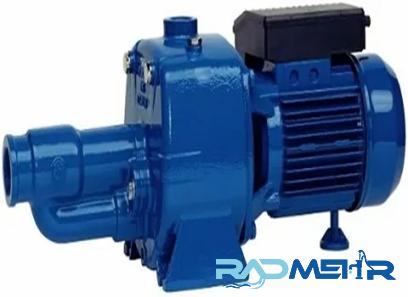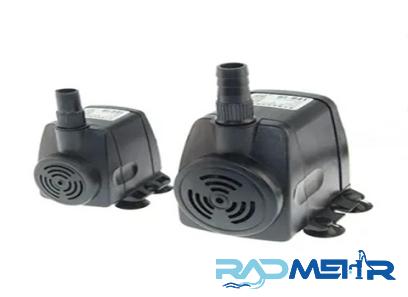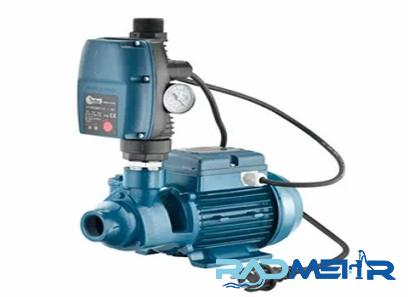
what is the best water pump for irrigation + which pump is best for irrigation
by increasing irrigation and machining this industry questions such as” what is the best water pump for irrigation “and “which pump is best for irrigation” were proposed
There are two main ways farmers and ranchers use agricultural water to grow crops: rain-fed agricultureirrigation Rainfed agriculture is the natural application of water to the soil through direct rainfall
Reliance on rainfall is unlikely to result in food contamination, but when rainfall decreases, water shortages can occur
On the other hand, artificial water increases the chance of contamination
Irrigation is the artificial application of water to the ground by various pipes, pumps, and spray systems
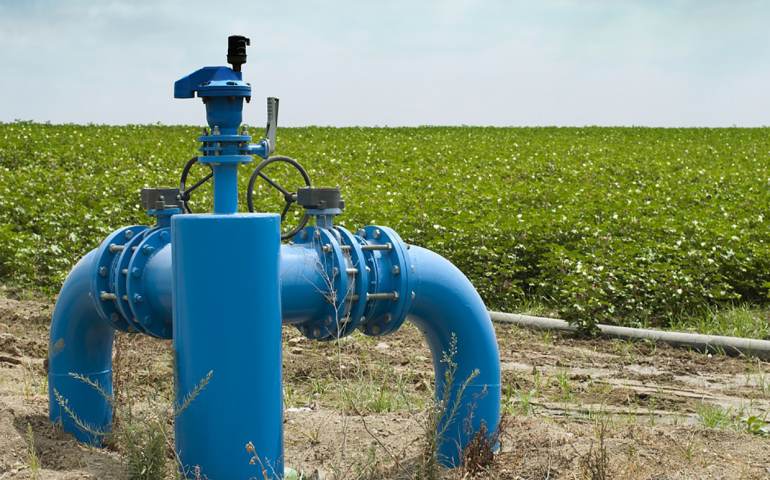
Irrigation is often used in areas with erratic rainfall or dry spells or predicted drought
There are many types of irrigation systems in which water is evenly distributed over the entire land
Water for irrigation can come from springs or wells, surface water, rivers, groundwater, lakes or reservoirs, or even other sources such as treated wastewater or desalinated water
Therefore, it is essential that farmers protect their agricultural water sources to minimize the potential for contamination
As with any groundwater abstraction, irrigation water users must be careful not to pump groundwater out of the aquifer faster than it can be replenished
There are many types of irrigation systems, depending on how the water is distributed throughout the agricultural land
A few common sorts of water system frameworks include:
surface irrigation
Localized irrigation
Drip irrigation
Sprinkler irrigation
Center pivot irrigation
Lateral move irrigation
Sub-irrigation
Manual irrigation
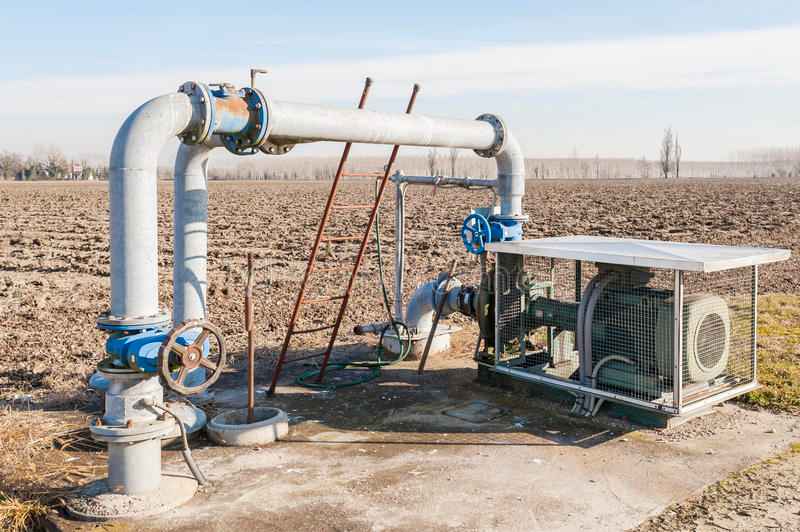
what is the best water pump for irrigation
there is no the best water pump for irrigation
The pump must be matched with what you are irrigating and the type of corp
There are two main types of water pumps, which are classified according to how they create pressure differentials in the pump system
These types are: 1) Positive Displacement Pumps – Create differential pressure by changing the available space (volume) in the pumping system
By using components such as pistons, closed chambers, and valves, the pressure on the inlet side is reduced, drawing water into the pump
Pressure then builds, forcing (displacing) water through the outlet side of the pump system
2)Centrifugal Water Pumps – Use rotating blades called impellers to transfer energy from rotation into the water stream to move water through the pump system
What these pumps have in common is that they require energy to operate, and that energy can come from fuel or electricity, or with a little effort, you can manually move the parts of the pump using a lever
With many types of pumps available, it can be difficult to determine which option is best for your farm
When choosing a pump, you need to consider your budget, size of your farm, water source, and how much water and electricity you need
Your water source will play an important role in how well the pump suits you
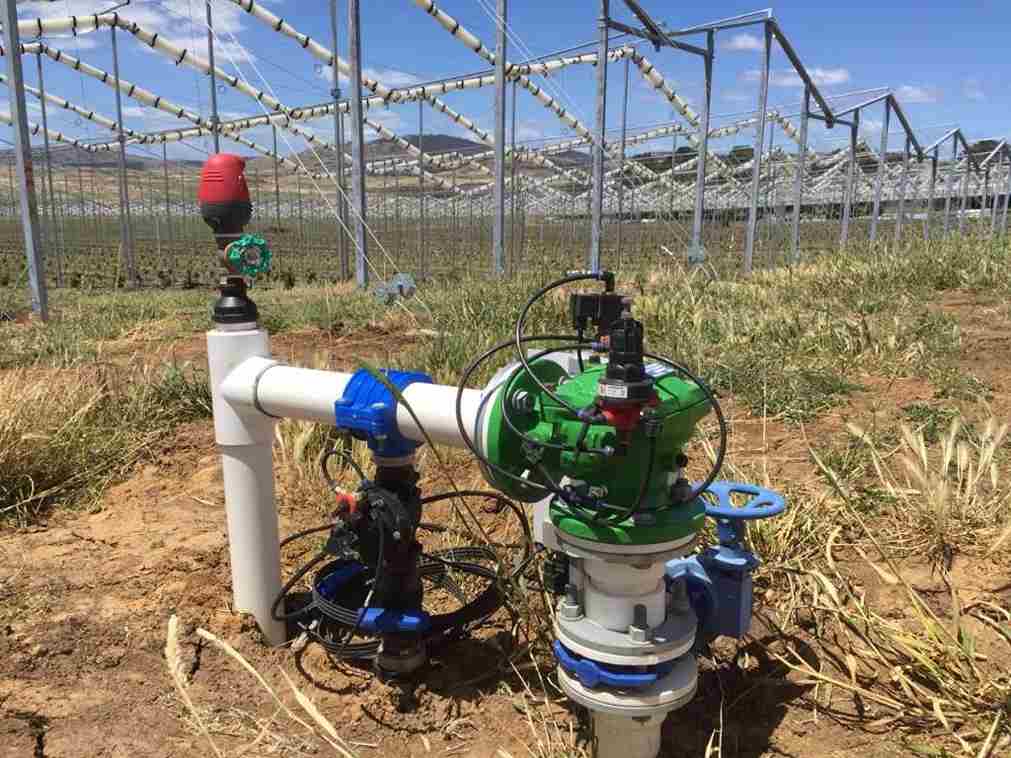
If you have surface water sources such as rivers, lakes, ponds, reservoirs, or even very shallow wells or boreholes with a water level between 0 and 7 m (0 to 23 feet), then a surface pump will work for you
which pump is best for irrigation
The best pump must have the configuration for irrigation which is to the customer’s requirements
our agricultural pumps come with features and benefits such as specially designed thrust bearings, advanced electrical stamping, wide voltage operation, and rugged design and construction to ensure value for money in performance and high reliability
The specially designed thrust bearing feature of our submersible pumps ensures maximum reliability
You can achieve greater efficiency with advanced electronic stamping
our pumps can also handle voltage fluctuations, which can damage the pump, as Crompton pumps can operate efficiently over a wide voltage range
The monoset construction includes a high quality mechanical seal which guarantees reduced energy consumption and savings on electricity bills
Leaks are prevented when there is pressure or when air is drawn into the pump under vacuum conditions
There are a few additional features that make an agricultural pump a worthwhile investment
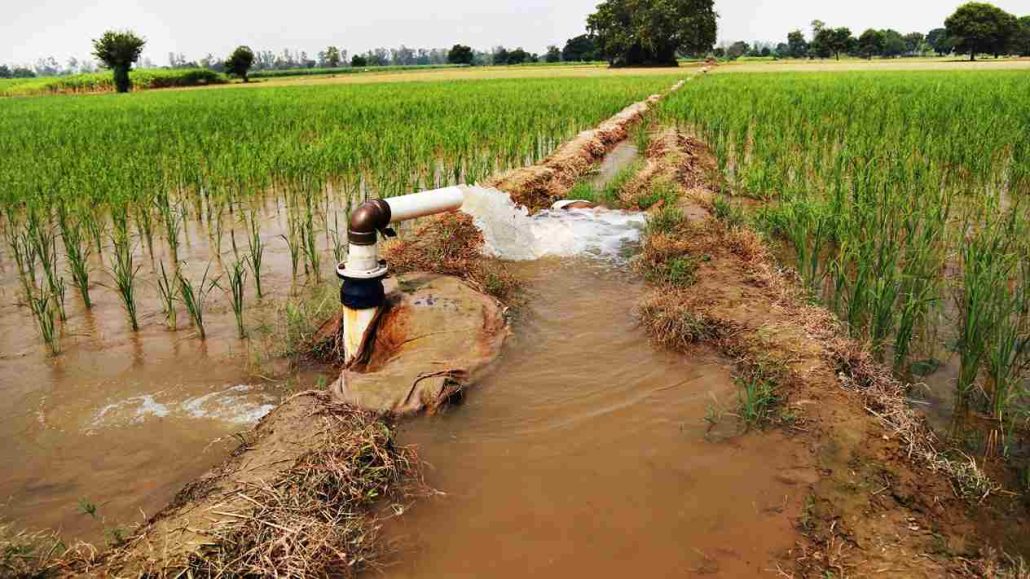
They have hydraulic and electric designs and built-in check valves
Your pump is protected against damage from sudden water back pressure with the built-in check valve
The optimal hydraulic and electrical design of the water pump enables maximum operating efficiency
This results in easier maintenance of agricultural pumps
There are a few things to consider when buying a water pump
These are agricultural pump type, delivery pipeline, KWHP, number of stages, and supply stages
The type of pump you buy will depend on the application
Pumps used to pump water to elevated reservoirs for multi-storey buildings, agriculture, or groundwater extraction for drilling deep wells will vary
Check the category reference for the specific pump
The size of the water pipe will determine the speed and power of the water delivery
Conduit sizes for these pipes range from 20mm to 80mm
It also affects the extent of the release or the distance the water is transported
Head reach is key when it comes to the power of water currents
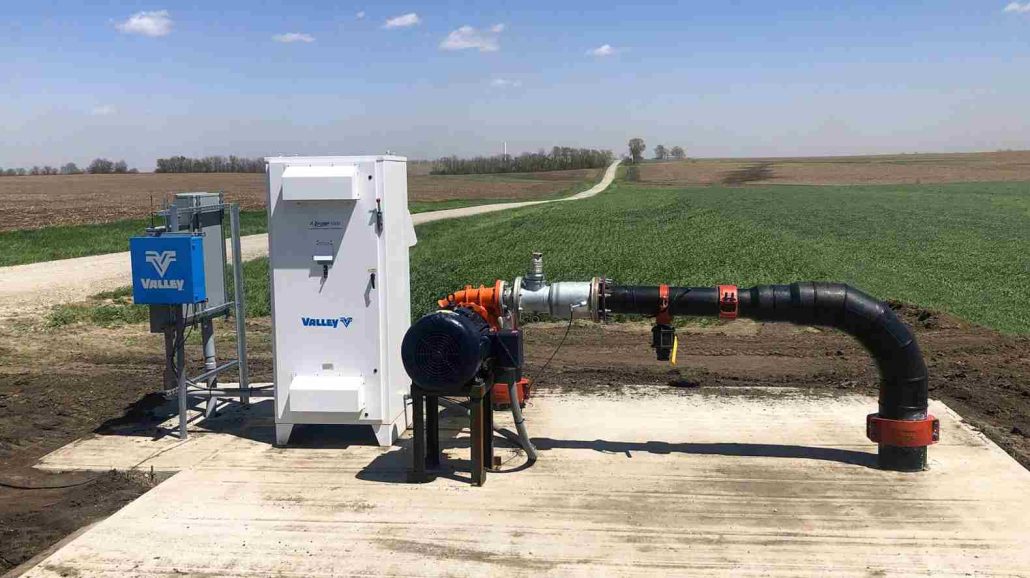
The power of the pump will also vary depending on the kW or the power of the pump
we will give you up to 80HP of agricultural
range
hand water pump working principle
A hand water pump as the simplest pump has a mechanism and working principle to elevate water
The principle of operation of the manual water pump is as follows:
During the working process of the hand pump, the pump handle plays a major role
Without the movement of the handle, the pump cannot draw water from the ground
First, humans operate the handle by moving it up and down to suck water (or any other fluid) from deep underground
The handle is connected to the pump piston by a piston rod or connecting rod
The piston moves with the movement of the handle
As the handle rises, the connecting rod transfers its motion to the piston, which also begins to rise
As the piston rises, the outlet valve of the pump closes and the inlet valve opens
During the upward movement of the piston, the water pressure in the pump cylinder begins to be lower than the water pressure outside, so a vacuum begins to develop in the cylinder
When a vacuum is created in the cylinder of the pump, water begins to enter the cylinder
When the internal water pressure is equal to the external water pressure, the water inlet valve is closed and the liquid in the cylinder cannot escape
As the handle begins to descend, so does the plunger
During this downward movement, the inlet valve remains closed and the outlet valve opens
This downward movement of the piston draws water through the outlet valve
The whole process repeats when the handle goes up
hand irrigation pump quote
A hand pump is a mechanical device that uses human power to pump liquid or air from one place to another
A hand pump is also called a hand pump because it is operated manually
It is a type of positive displacement pump
As you know, pumps are used to move fluids from a low head to a higher head, and hand pumps also use the same mechanism to pump fluids
Manual hand pumps are used to draw water or other fluids from deep underground and deliver them to the surface of the earth
The pump is fully operated by an individual and the fluid is pumped out of the well or deep down through the mechanical work done by man
These pumps are most widely used in various recreational, irrigation, industrial, and marine applications in countries around the world
There are different types of manual pumps which mainly operate on the principle of rotary vanes, diaphragms, or pistons, with non-return valves at the inlet and outlet of the chamber
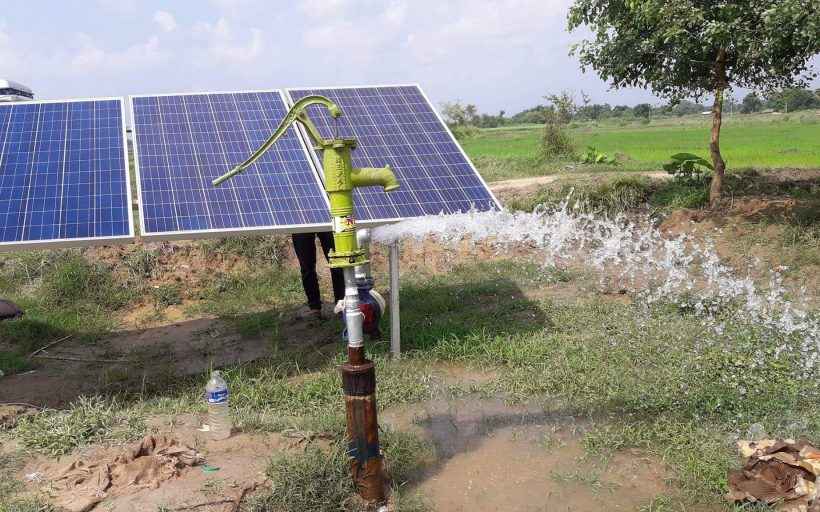
The most common hand pumps are positive displacement pumps (such as plunger or piston pumps)
These pumps are widely used in private and municipal water supply in developing countries as they can be easily installed in wells or hand-dug boreholes
These pumps are mainly used in areas outside the community that lack electricity or water
The average cost of a hand pump for a well is $50-600, and installation labor costs $195-300
Hand pumps are made of plastic, stainless steel or cast iron
Premium hand pumps cost between $500 and $2,000 for deep wells – pump 1 gallon per 7 strokes from 300 feet deep
To prevent the hand pump from freezing, drill a small hole in the downspout so that it is 4 or 5 feet below the ground when installing
When you’re done pumping, any remaining water in the downspout will seep through this hole, leaving nothing to freeze to the ground from there
hand irrigation pump quality
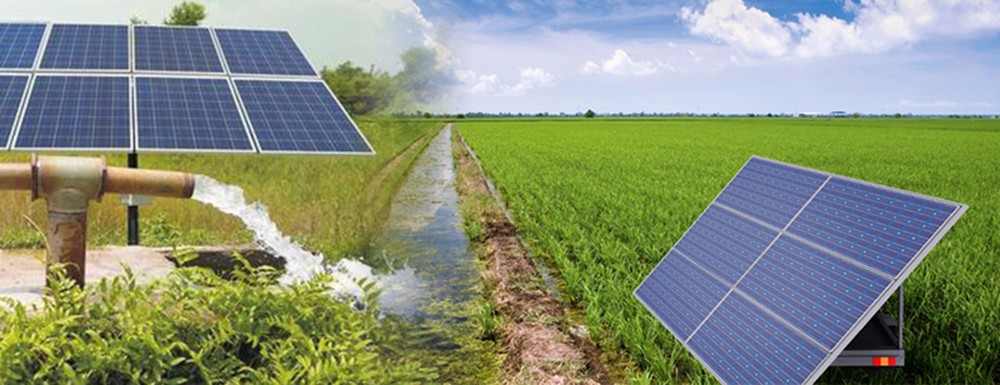
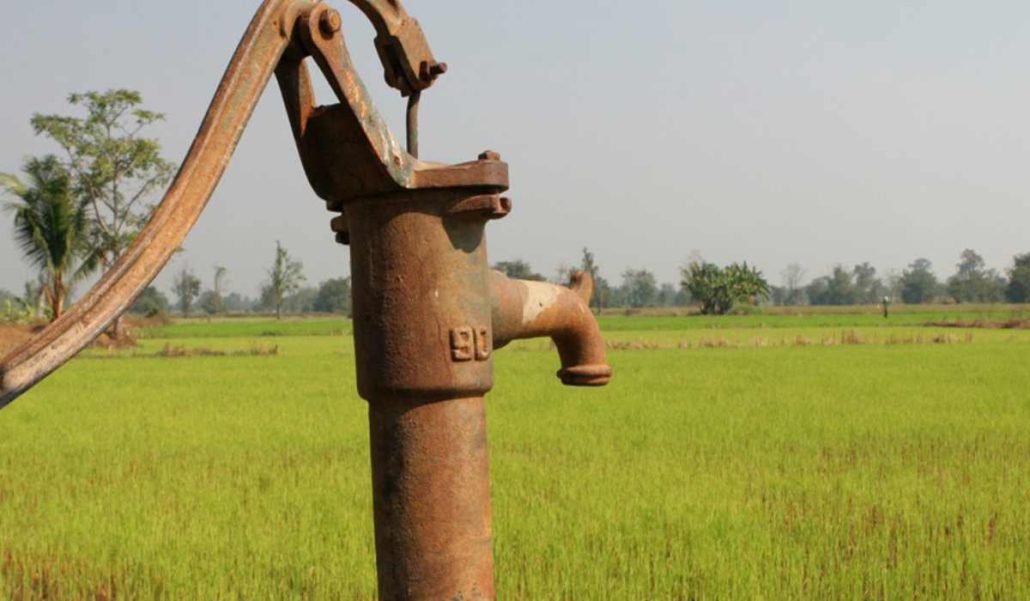
Hand irrigation pump has various quality and based on the type of hand pump; they can be good choices for farmers
The hand water pump has the following sorts:
Deep Well Hand Pump: Deep well hand pumps are used when water needs to be pumped from the ground
It is mainly used in wells
The working depth of such pumps exceeds 15 m
They help humans pump large amounts of water from deep underground
In this case, use a mechanical accessory (such as a steering wheel or a lever) to facilitate the work
The deep well hand pump has some details as follows:
These pumps are expensive and complex compared to other types of pumps
Due to the nature of the work, these types of pumps have proven to be more powerful
In theory, the pumping capacity of deep well hand pumps is unlimited
In practice, however, the depth is limited by the physical forces an individual can exert when lifting the water column, which is around 30 meters
Direct Pump: This type of pump has a sucker rod and operates on the principle of positive displacement
The suction cup rod of a direct-action pump allows the user to move directly up and down to suck and pump water
The only limitation of this hand pump is that it can only lift water up to 15m
Diaphragm Hand Water Pump: Diaphragm pumps are also a type of positive displacement pump
This pump uses a diaphragm to pump fluid
The pumping speed of these pumps is relatively low due to the absence of a tie rod
Plus, they have corrosion-resistant components
The main disadvantage of a diaphragm pump is that it requires a certain length of hose and a high quality rubber diaphragm
The rubber membrane eventually leaks and needs to be replaced
Because of this, the pump swells, and replacing the membrane takes a long time
Diaphragm pumps operating in poor rural areas tend to be discarded when the diaphragm wears out
In addition, these pumps are relatively inefficient
hand irrigation pump efficiency
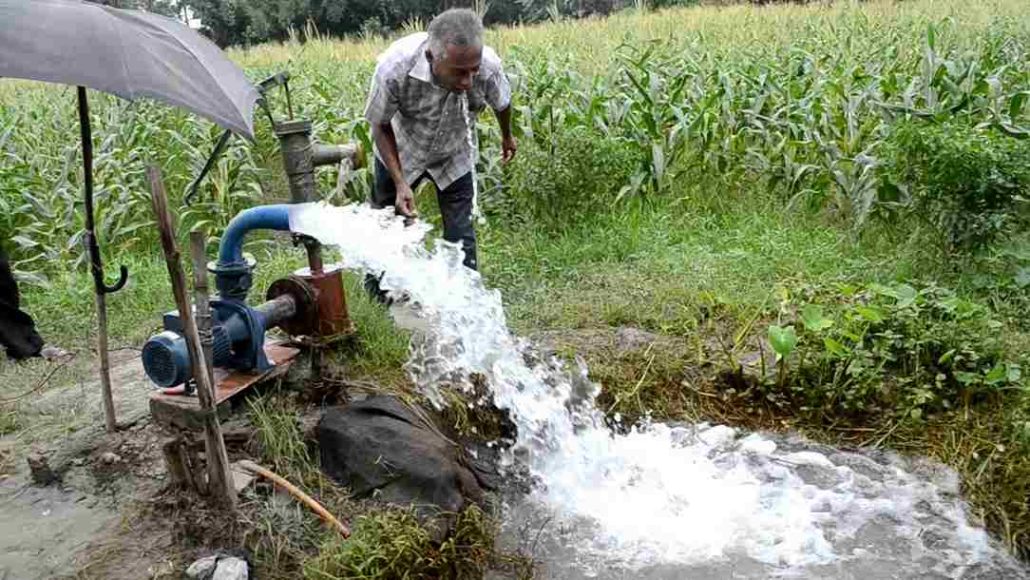
there are factors affecting the hand irrigation pump efficiency
The overall efficiency of a pump is the product of three distinct efficiencies: mechanical, volumetric, and hydraulic
Mechanical efficiency Mechanical efficiency includes losses in bearings (long coupled pumps), mechanical seals, and stuffing boxes (stuffed box pumps)
Volumetric efficiency Volumetric efficiency will include internal losses due to leakage through wear rings and balancing holes
Also, in the case of an open or semi-open impeller, the clearance between the blades of the impeller and the pump body
hydraulic efficiency Hydraulic efficiency includes fluid friction and other losses in the volute and impeller While mechanical and volume losses are important components, hydraulic efficiency is the most important factor
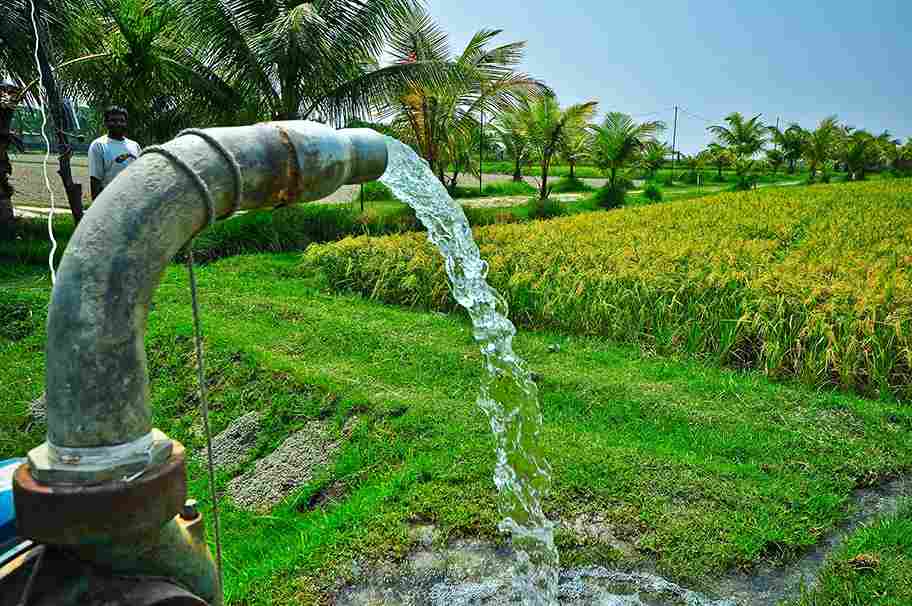
There are basically two components that affect the hydraulic efficiency of a centrifugal pump
Impeller and volute
The Law of Affinity tells us a lot about the inner workings of a wheel
We know that for a given wheel, the head it produces varies with the square of the gear change
Double the speed and quadruple the head
If you keep the speed constant, the same rules apply for small changes in its diameter
Flow-through the wheel follows similar rules
In this case, however, its change is proportional to the change in speed or diameter
In other words, if you double the speed or the diameter, the flow will double
The change in rotational speed or diameter of the wheel refers to its peripheral speed or the speed at a point on its circumference (in meters per second)