Introducing foot irrigation pump + the best purchase price
One of the considering factors when you are choosing a foot irrigation pump is the head size that by calculations you can find this matter
A treadle pump consists of a cylinder with a piston and means for pushing the piston up and down
A hose connects the pump to the water source, and at the end of this hose is a check valve that allows water to enter the hose and prevents it from returning to the water source
The piston and cylinder should have a very tight fit so that when the piston is lifted it creates a vacuum in the cylinder and draws water into the pump
When the piston is pushed down, water is pushed through a small valve in the piston to fill the space above the piston
As the piston rises, it lifts this water until it spills over the rim of the reservoir and into an irrigation channel or reservoir
At the same time, more water is sucked into the space under the piston
The downward stroke of the piston again pushes the water through the small valve into the space above the piston, and the process repeats
This is a very simple principle that has been used for centuries to extract water from streams and wells
However, the amount of water that can be lifted in this way is usually small, since pumps using this idea are usually manually operated and the effort required to lift the water is considerable
This generally limits their use to domestic use and watering animals
This idea has now been skillfully applied to irrigation which requires a lot of water
The most important innovation is to change the driving force from arms and hands to feet and legs
foot irrigation pump head calculation
There are some factors for the calculation of foot irrigation pump head
The total dynamic head in a pump system is the total pressure of the water flowing through the system
It consists of two parts: the vertical rise and the head loss
It is important to calculate this accurately in order to determine the correct size and scale of pumping equipment for your needs
To calculate Total Dynamic Load, also known as TDH, we need to calculate two things:
Vertical rise
Frictional losses of all pipes and components encountered by the liquid as it is discharged from the pump
After calculating the two, add them together to calculate TDH
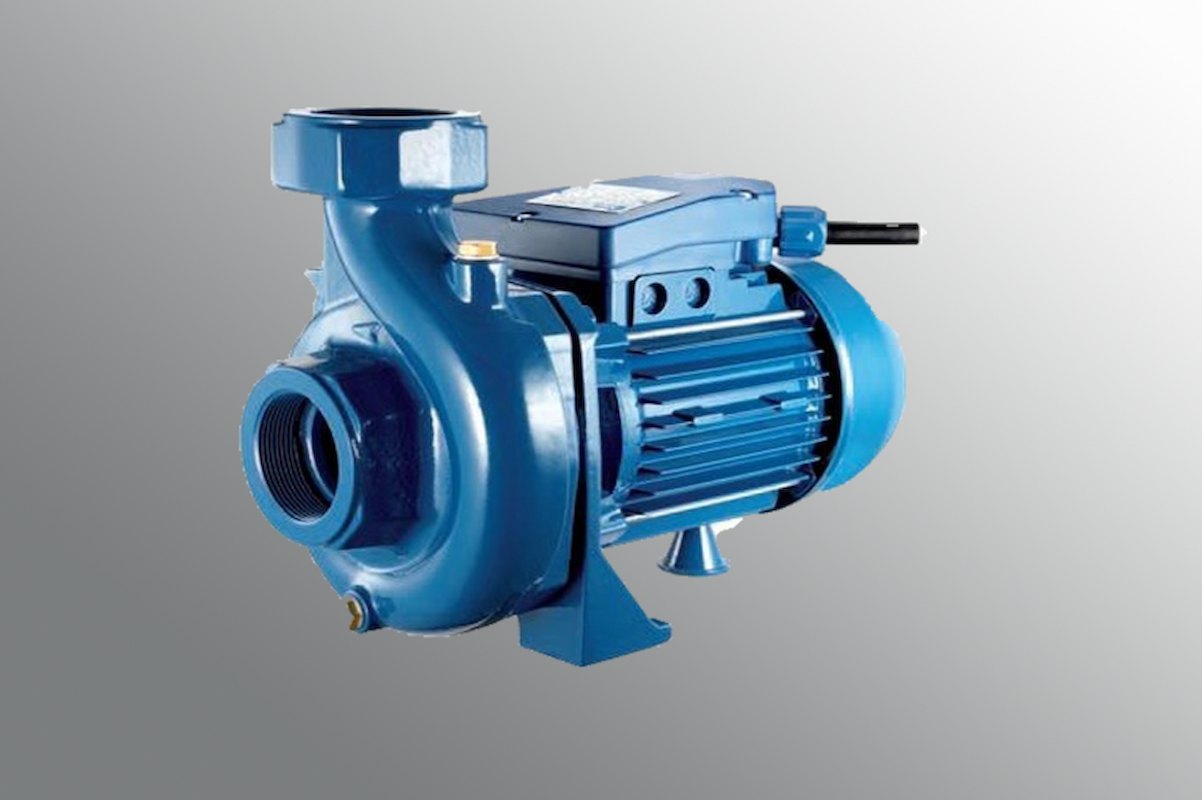
Vertical rise: The vertical rise from the beginning to the end of the liquid must be determined As the liquid level in the tank decreases, the vertical lift increases, so the total moving head increases To simplify the problem, assume that the tank is empty in the worst case
Friction Loss: To calculate friction loss, you first need to know what flow rate you want Each flow will have different friction losses The more flow in the pipe, the greater the friction losses, so 5 GPM through a 1 inch pipe will have higher friction losses than 1 GPM through a 1 inch pipe After your flow, you need to know what type of pipe you are using, the program of the pipe, and the length of the pipe, whether it is vertical or horizontal
Total Dynamic Load: Worst case vertical rise is 21 feet The friction loss at 25 GPM is 5
6 feet
Adding these two numbers gives a total dynamic head of 26
6 feet and 25 GPM from the pump to tank B
foot irrigation pump calculations
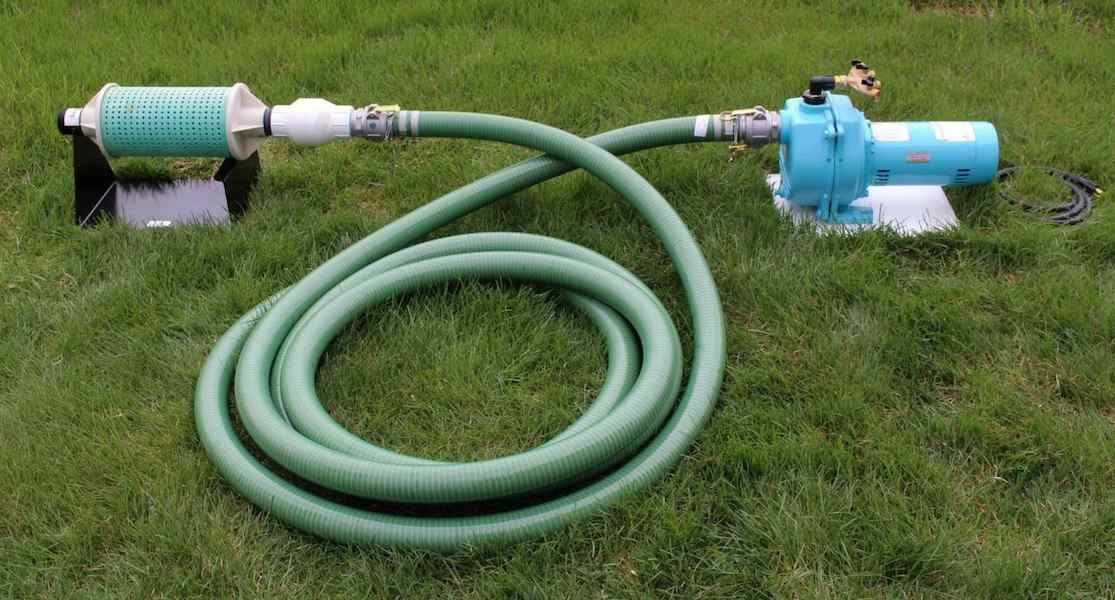
foot irrigation pump size calculator
There are some online calculators for the head size of the foot irrigation pump but you can do it yourself without using them
The highest height the pump can carry against gravity is called the head
This is the most obvious example if you have a vertical pipe that rises directly from the discharge outlet
The fluid will be pumped up to 5 meters from the discharge port by a 5-meter head pump
Pumps are important products for the use of industrial tools
Pumps are available from several suppliers and companies, different manufacturers, and many distributors
The pump head or the discharge head of a water pump is a measure of the power of the pump
The larger the pump head, the more pressure the pump can produce
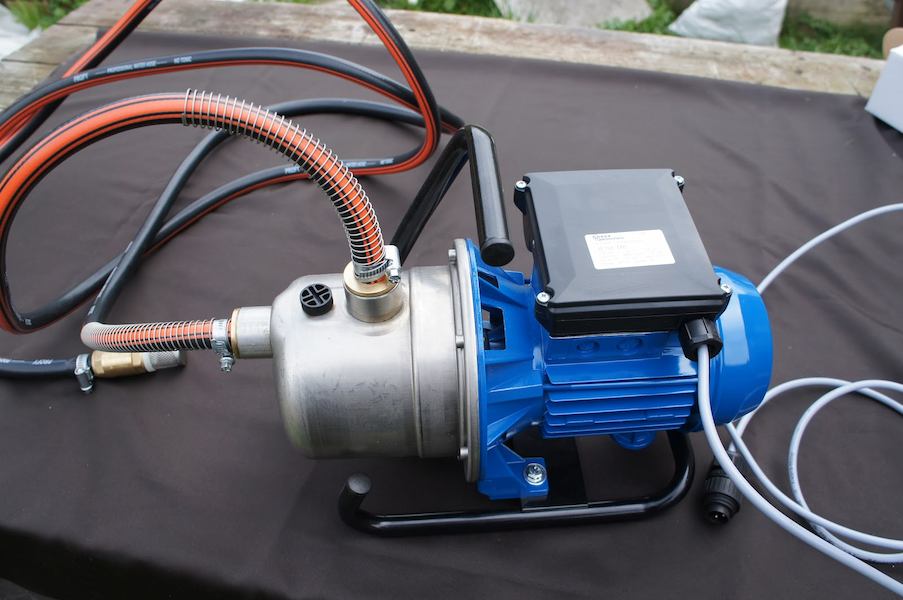
This statistic is measured in meters (or feet) and is calculated by placing a hose at the outlet of the pump and measuring the maximum height it can pump water
As mentioned above, the head is the height that the pump gives to the fluid, measured in meters of liquid column [m
l
c
], or simply meters [m]
A given head is fluid independent, which means that different fluids with different specific gravities are all lifted to the same height
Instead, the pressure is fluid-dependent and is affected by the density of the liquid
The force per unit area of a liquid column of fixed height varies with specific gravity
So, in this case, the same head will generate different pressures
At the maximum pump head, the flow rate of the pump system is zero
This is because the pump cannot create any pressure to move the water because all the power is used to lift the water already in the system
When the pump head is zero, the water flows at the greatest rate
The result of a zero-pump head is that the energy of the pump can be fully applied to the flowing water, rather than lifting it so that it flows faster
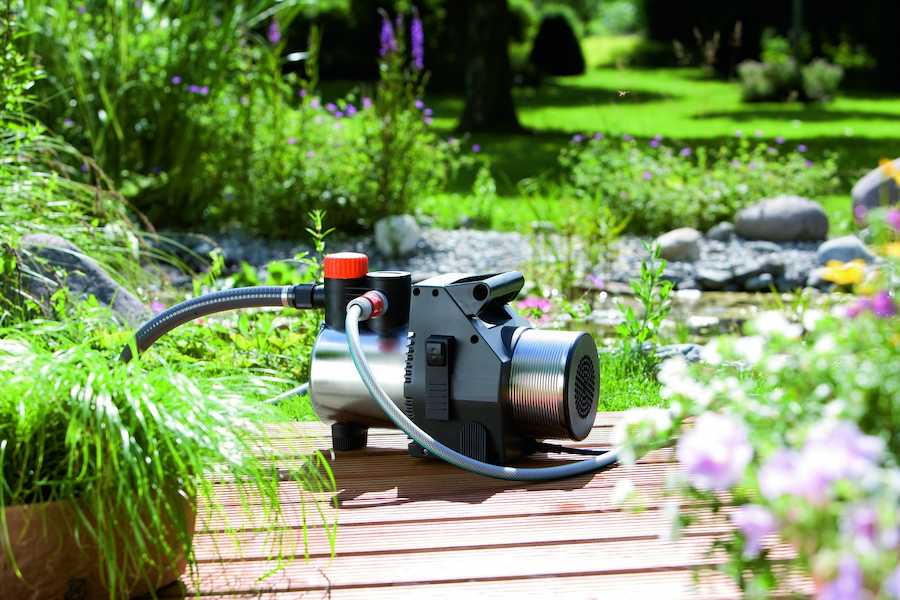
foot irrigation pump size calculator pdf
By having a quick search, you can find some pdf on the internet that can help you and act as a size calculator for a foot irrigation pump
The below formula can help us to calculate the total head
Increasing the liquid level in the suction tank causes the height to increase while decreasing the level causes the height to decrease
Pump manufacturers and suppliers often don’t tell you how much head a pump can produce because they can’t predict how high liquid will be drawn into the reservoir
Instead, they will report the total height of the pump, the difference in height between the liquid levels in the suction tank, and the height of the water column that the pump can reach
The total head is independent of the liquid level in the suction tank
Total Head = Pump Head – Suction Head
The foot pump basically gives farmers superpowers
No more long hours of watering by hand – it’s just about watering your feet! Imagine an elliptical machine connected to a water source
Set it up, aim for thirsty plants, jump on it, take a few more steps, and the field is out, free time is reclaimed, labor is saved, and crop yields are increased
These foot pumps are a perfect innovation because they are so efficient in irrigating without depending on electricity
The power source is the farmer! And, when they had to walk to the water source, it was a lot less work for them than before
These outdated necessities can take up hours of their day and sometimes even prevent their children from going to school because they have to help fetch water
foot irrigation pump pdf
Foot irrigation pumps have a manual sheet that is offered in paper or pdf format
The foot pump is a foot-operated irrigation pump that uses bamboo or PVC wells to pump groundwater
Essentially, a pump consists of three parts:
A metal pump head
two bamboo steps and a bamboo frame; and
Bamboo or PVC pipes and filters
The pump head consists of two parts:
Double sheet metal cylinders (two parallel identical) welded together with a suction port at the bottom; and
Two divers with rope and pulley
The cylinder diameter will vary to accommodate the existing “bucket” (piston seal) and provide proper water flow
The most common model has a 3″ diameter cylinder
The cylinders are joined together at the bottom by a junction box, which is connected to the suction pipe by a check valve
The water passes through the filter and rises to the dynamic groundwater table through the suction pipe
From there it is lifted in a pulsating flow during the stroke of the two pistons
The action of the two cylinders provides an almost continuous flow of water
This makes a floor pump more efficient than a single-cylinder pump, which requires energy to re-accelerate the water column after a long transition pause between strokes
During the upward pumping stroke, the piston valve closes
Water is drawn into the cylinder through the pipe
At the bottom of each cylinder is a foot valve, called a check valve
Check valves are simple rubber flaps or discs made from the old truck or tractor tires
When water flows upward, the check valve opens to allow entry into the cylinder
The water is sucked by the piston almost to the top of the cylinder
At the same time, the die from the previous stroke is forced out of the cylinder into the field channel