Foot pump Purchase Price + Sales In Trade And Export
due to increasing the requirements for foot irrigation pumps, many company manufacturers decide to supply this human-centered water elevator
A foot pump is a simple, inexpensive, and effective water lifting device
In this technique, bamboo stalks are repeatedly pushed by the feet to provide the driving force that pushes the water
This simple water elevator is really easy to install and maintain and is eco friendly
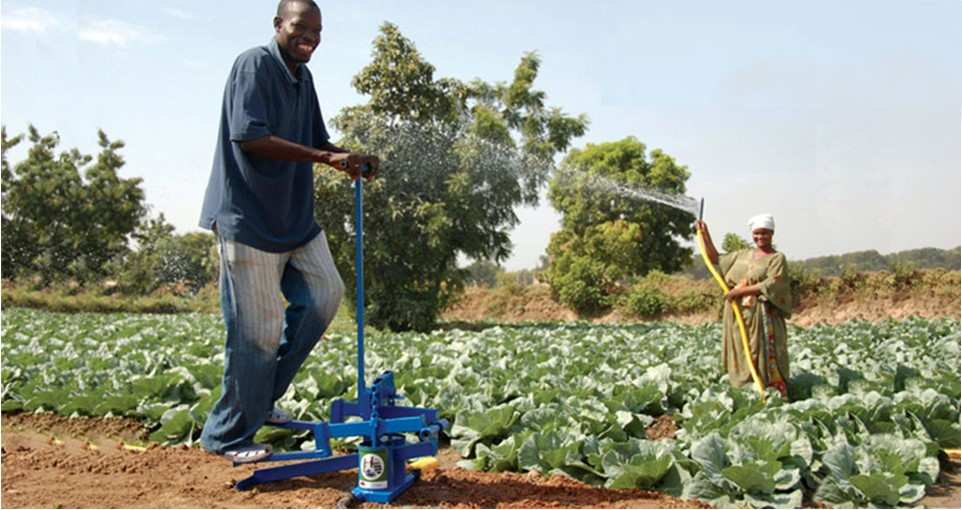
Three types of floor pumps are commonly used; all three use the cylinder and paddle concept, but the model using an 8
9 cm diameter cylinder and a bamboo paddle is the preferred model among farmers in the region
It is cheaper than a similar hand pump and can lift more water
On average, a foot pump can be used to pump water from about 6 m underground, and such a pump can irrigate up to 0
34 hectares of land (depending on soil type and other conditions)
In addition to lifting water for irrigation, foot pumps can be used for a variety of household purposes
It is also widely used as a means of generating income in the Terai region of Nepal
When farmers consider installing foot pumps, they should first check that there is enough groundwater to cover the cost
Foot pumps should be installed by a qualified technician and properly maintained throughout their life cycle
If possible, an extra set of spare parts should always be available and a qualified technician should be consulted for overhauls
This technology is used by more than 1
5 million people in different countries including Bangladesh, Cambodia, India, and Nepal
More than 30,000 people have foot pumps in Nepal
Foot pumps are also a useful means of generating income for smallholder farmers in the Terai region of Nepal
Due to easily use of this machine, it becomes a commonly used machine
foot irrigation pump and supply
Foot irrigation pumps can supply water for domestic uses where access to electricity is a problem
This machine can be used by men, women, and children
Installing the foot irrigation pump is easy and requires no special lifting equipment or tools
Drillers who went down with mud also installed pumps
The pump has good user maintenance potential
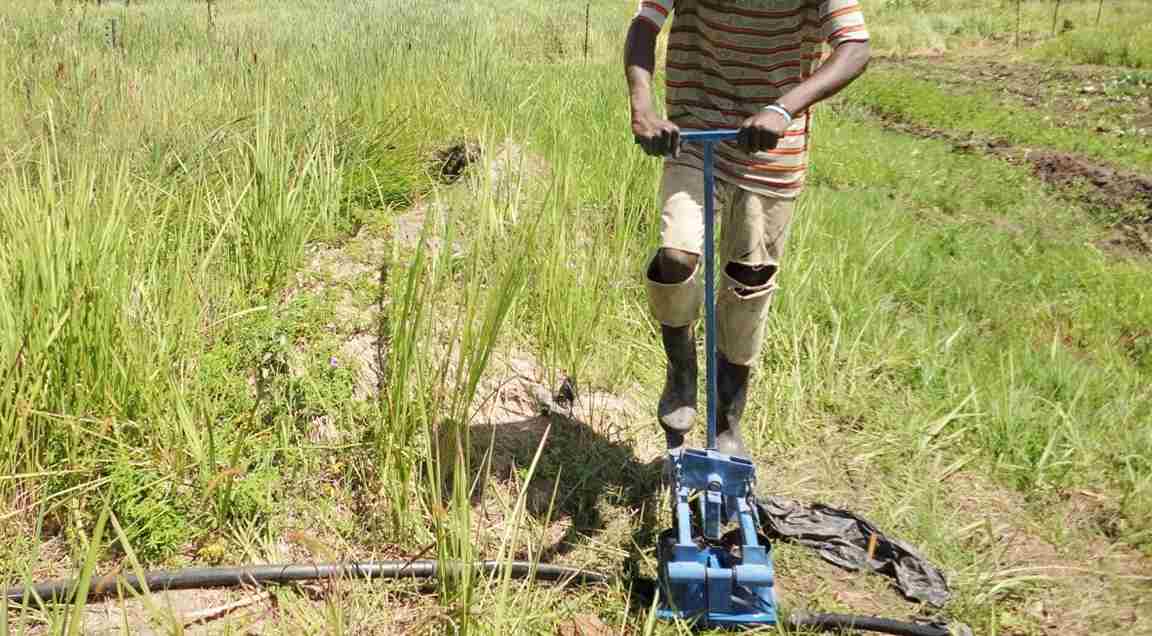
All repairs can be done without tools
About 2,000,000 foot pumps are sold in Bangladesh and about 2,000,000 foot pumps are sold in India
Foot pumps can be made locally in a simple metal workshop
The steps and support structure are made from locally available inexpensive materials such as bamboo
All components (or junction boxes) are mild steel; Pistons – mild steel with plastic seals (cup seals); Bottom valves – flaps; Riser – PVC or bamboo pipe; use different types of screens
Installing the floor pump is easy and requires no special lifting equipment or tools
Drillers who went down with mud also installed pumps
Two pedals are connected to two pistons
The pump is powered by transferring weight from one pedal to the other, which lifts the piston
Water is supplied by pipes that draw water from boreholes or surface water
All family members can operate the pump, which allows farmers to use family labor efficiently
In case of sudden power failure, emergency pumping, load shedding, etc
, the foot pump can be an adequate solution, it can be taken anywhere and operated with minimal physical effort
As lots of farmers are leaving in remote places, they do not have access to electricity or fuel also they do not have the modern equipment to use it
They can use the foot irrigation pump and supply the required water
foot irrigation pump company
the manufacturer company of foot irrigation pumps is located the developing countries where people tend to use human powered equipment as there is no other power source
A foot pump is a human-powered suction pump located at the top of a well for irrigation
This human powered pump is designed to lift water from a depth of seven meters or less
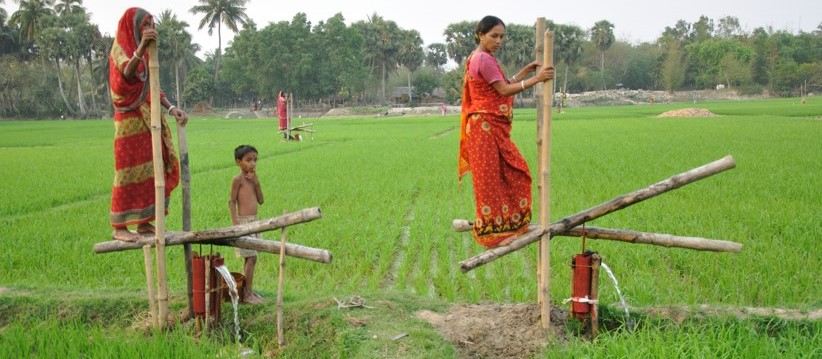
Pumping is activated by stepping up and down on a pedal, which is a lever that drives a piston, creating a cylinder suction that pumps groundwater to the surface
Two pump systems are available
One is a basic pump, which pumps water from a depth and discharges it directly from the open top of the cylinder, directly into a low reservoir or gravity slot
The other is a closed gas cylinder system that lifts the water to a height of 12 meters above the operating water level
Although the manufacturing process of the two foot pumps is more complicated than that of the rowing pumps, the manufacturing has been undertaken by a few small industrial enterprises, and many entrepreneurs in many countries produce such pumps for sale
A practical guide to making and using a foot pump is available from Practical Action Publishing
The foot pump is suitable for simple stepping movements
Therefore, it operates without electricity and without operating costs
This makes the foot pump suitable for marginal farmers, helping them to irrigate their land
For the typical marginal farmer, the foot pump can easily solve suction, lifting, transport, and irrigation problems
Once irrigation is possible, farmers can farm in the dry season and escape poverty
Therefore, the foot pump is reasonably priced keeping the marginal farmer in mind
Treadle pumps can be used in any application that requires pumping
foot irrigation pump manufacturers
International manufacturers found the food irrigation pump an interesting commodity
Following current market developments, we have introduced an exclusive assortment of treadle pumps
As it is mentioned earlier, the foot pump is a human foot pump designed to push water up hills or into low-pressure irrigation systems
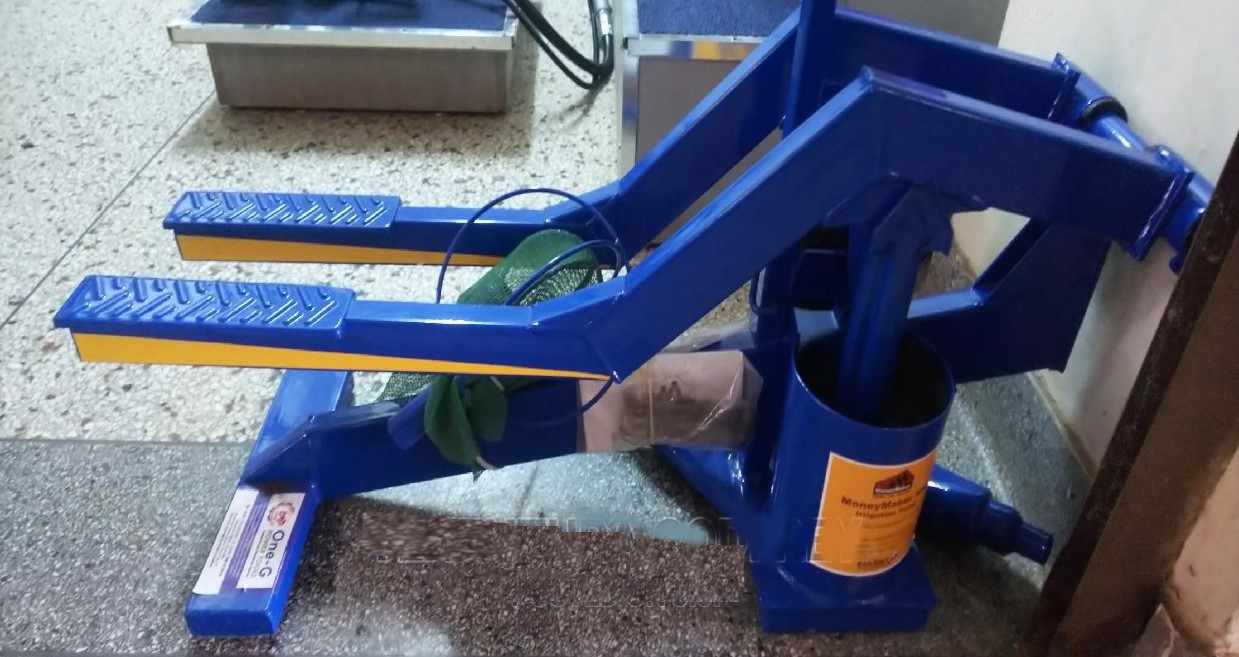
The pump can suck water from 8 meters and pump water up to 15 meters above sea level
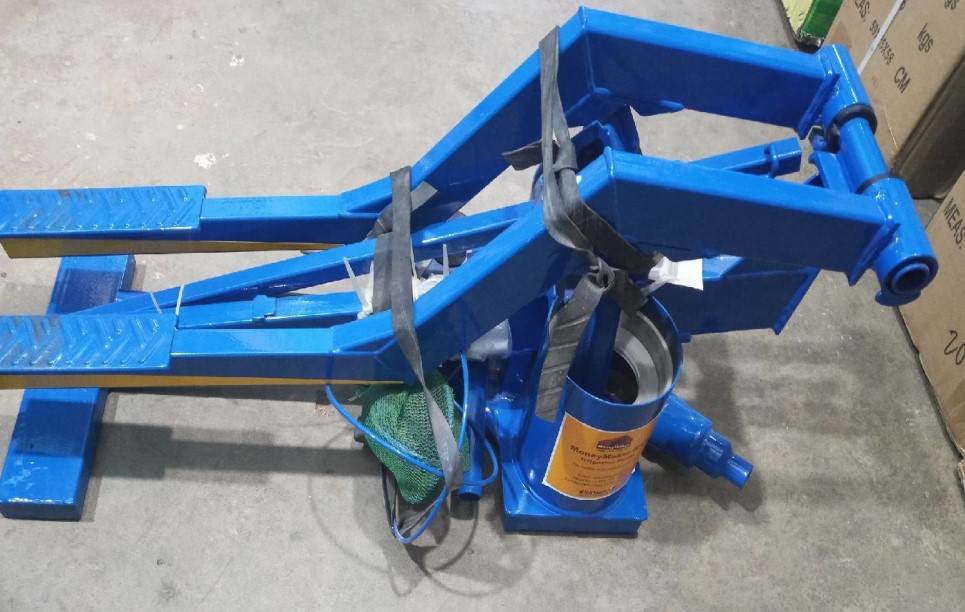
The frame and pedals of the treadle pump are made of steel, while the cylinders and pistons are plastic, so they are lighter and less expensive to move the pressure treadle pump option
The foot pump can irrigate approximately 500 square meters per hour
The pump can be connected to low-pressure drip and sprinkler systems, or hose and nozzle sprinkler systems
The foot pump is mobile for easy use in large fields with multiple water sources and can be moved to a safe location when the pump is not in use
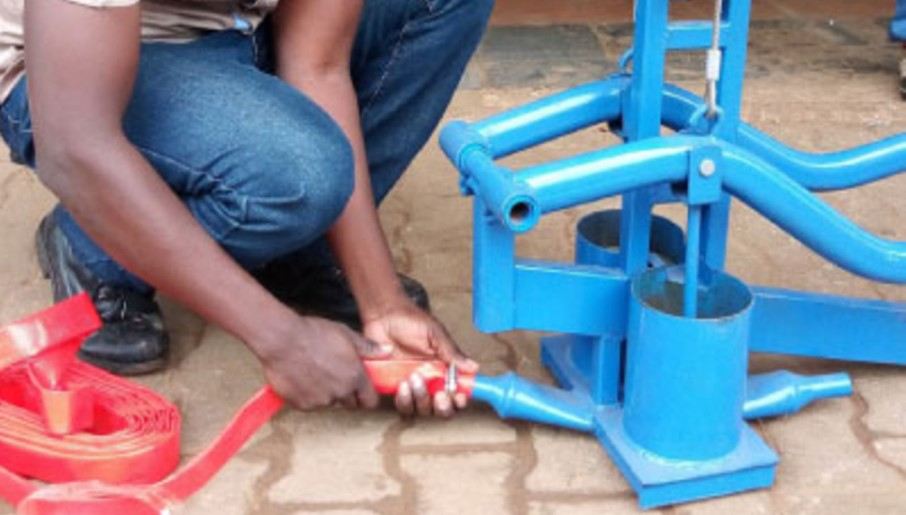
The pump comes complete with a foot valve, a 7-meter flexible suction hose, a 3-meter flat outlet hose, and a plunger wrench
First used in Bangladesh and can be used in situations similar to Rower pumps
However, the use of stronger leg muscles means this design is less tiring to use than a Rower push-up and also has a higher potential output
The pump has two cylinders and pistons, which are connected to a suction tube
Above each cylinder is a beam hinged at one end and connected to the piston at the other
The beams have a cable that connects them and passes through pulleys
The operator stands on each beam with one foot, first transferring the weight to one foot and then to the other
When one piston goes down, the other goes up
The result is a very simple and very efficient water pump
foot irrigation pump price
foot irrigation pump price depends on the used materials and it is less expensive compared to the modern pumps which are supplied by electricity or other power sources
foot pumps are a bargain
Its low cost allows even very poor farmers to use it to grow dry season vegetables for household consumption and sale
In Bangladesh, a water pump costs $20
On average, farmers are able to generate over $100 in additional income per year
Revenues from foot pumps add $100 million a year to Bangladesh’s GDP
Production and sales are now sustainable without outside help
Thanks to this technology, the incomes of many households have increased
Some farmers who started using these foot pumps have now purchased electric pumps
A foot pump costs $20 in Bangladesh and $50-80 in Africa
About $100-200 including tube wells (depending on installation depth and drilling method) The introductory cost per project is around $20,000, including training, engineering, and first production
The treadle pump, also known as the Tapak pump, is a human-operated suction pump that sits above a well and is primarily used for irrigation
It is designed to lift water from a depth of seven meters or less
When the operator is pumping, he or she is moving up and down on pedals, which are levers, which drive pistons, creating a cylinder suction that draws groundwater to the surface
Water is known as a crucial part of irrigation but as it is mentioned earlier, some farmers who are living in remote places and can not buy the pump online or from domestic vendors, construct the pump themselves
They construct it by wood or piece of metals
foot irrigation pump cost
Due to the easy installation of the foot irrigation pump cost, it is more reasonable compared to the other type of pumps
The unit provides a continuous flow of 100 liters per minute, while ordinary reciprocating hand pumps provide an intermittent flow of 70-80 liters per minute
The new pump is portable and can be easily transported and installed in the field
The pump is very cost effective as it costs around Rs 31 per liter per minute
It costs Rs
Rs 2500 for a complete cast iron unit and Rs 3000 for a unit combining aluminum alloy and cast iron parts
A new twin-cylinder system with linkage/gear/flywheel layout ensures continuous water delivery with no dead stroke
When used for a long time, it has a small biomechanical load and has a constant stable output
It’s easier to pedal than a hand pump, especially for heart patients, the elderly, women, and children
This pump does not require any electricity or fuel so this can reduce the expenses
Also, this doesn’t require yearly services
The pumping cost analysis will take into account the initial capital investment cost, annual fixed costs, and operating costs
The three costs are interdependent to some extent
The sort of pumping equipment, size of piping, measure of the pump, and type of water supply influence not only the starting cost but also settled and operating costs
For example, a piping system using large pipes may be more expensive, but may allow the use of smaller-powered pumps that cost less, require less energy, and are less expensive to operate than piping systems using small diameter pipes