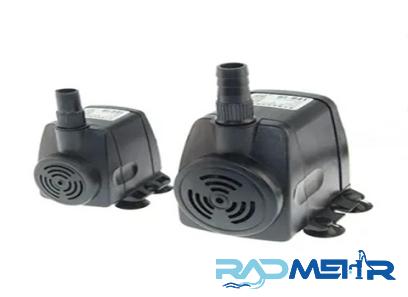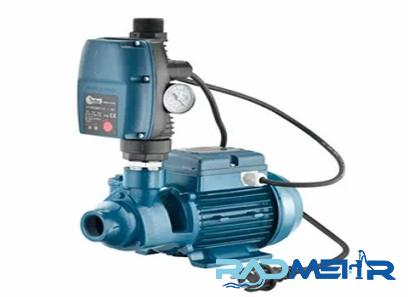
The Price of Vertical Centrifugal Pump + Wholesale Production Distribution of the Factory
Applications for centrifugal pump types can be found across industry and manufacturers
They provide excellent operating effectiveness and great fluid pressure and flow rate adaptability
There will be two distinct arrangements for inline centrifugal pumps: horizontal and vertical
What distinguishes the two designs of inline centrifugal pumps? Which is the best for your process application, by the way? Here, we provide answers to these queries
Basic design variations: The shaft’s orientation is the first and most evident difference
The shaft of a horizontal centrifugal pump will be horizontal, typically between bearings or cantilevered
A vertical shaft is present in a vertical centrifugal pump
The shaft is cantilevered and has a radial design
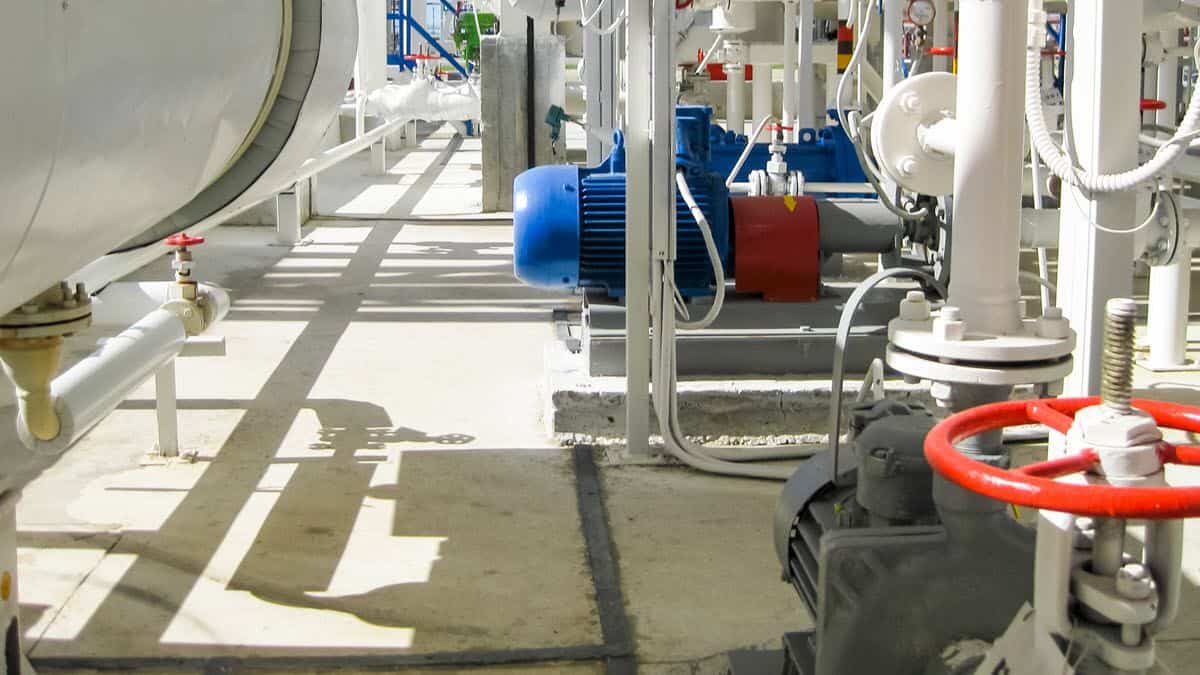
Numerous considerations must be taken into account when choosing the pump for your operation
Among these are the pump’s general simplicity of use and upkeep, installation site, and performance
In light of this, let’s examine the benefits and drawbacks of each pump design
Vertical centrifugal pumps: Benefits and Drawbacks: Positively, horizontal centrifugal pumps include internal components that are simple to access and are simple to install and repair
To achieve the needed pumping pressure, choose the right shaft design
A cantilever shaft works best for low suction applications, whereas a bearing shaft is required for high suction pressure applications
Horizontal centrifugal pumps can easily be integrated safely with extras like turbines, electric motors, or internal combustion engines
The low headroom of the horizontal pump also makes it perfect for indoor applications where vertical space is frequently limited
In contrast, a horizontal centrifugal pump will have a larger footprint if floor space is a concern in your company
In comparison to vertical options, horizontal pumps typically operate at lower operating temperatures and pressures
Additionally, if the application calls for greater NPSH (net positive suction head) than the particular horizontal centrifugal pump can provide, you shouldn’t utilize it
Its capability will be constrained in this way
Applications on the horizontal
Devices for high-temperature spraying water
For universal fluid transfer
Both advantages and disadvantages of vertical centrifugal pumps
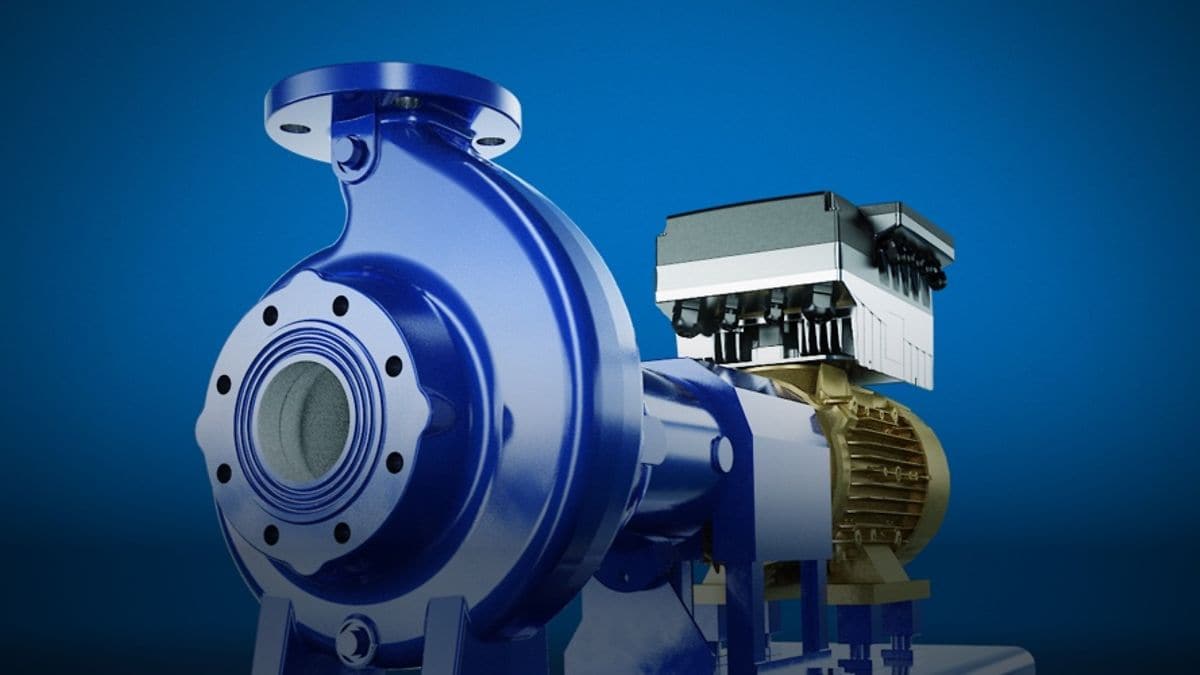
Vertical centrifugal pumps will undoubtedly occupy less floor space if you have a tiny location and need a pump with a compact footprint
They may be adjusted to handle a variety of applications, and they are suited for fluids at high temperatures and pressures
A vertical pump requires a lot of headroom, which makes installation and maintenance more challenging
A pit and barrel will also be required by many (especially for large multi-stage pumps)
Only electric motors can be used with vertical centrifugal pumps
The cantilever shaft design makes it challenging to balance the axial pressure, which causes some operational issues at high suction pressures
Additionally, fluids with high dissolved gas concentrations are challenging to handle and might lead to mechanical seal failure
Applications in the vertical
Station with a Condensate Swamp Booster
Pick-up points
It’s crucial to select and configure the proper horizontal or vertical pump for your application, so you should consult with a professional like Kartek DXP to receive all the information you require before choosing your final pump
Make a choice Blackmer, Pumpworks, Sunden, Vertiflow, Ensig, and Flowey are just a few of the top international producers of vertical and horizontal centrifugal pumps that we represent (among others)
Let us aid in your search for the ideal pump
Visit our website or get in touch with us right away for additional details about centrifugal pumps and accessories
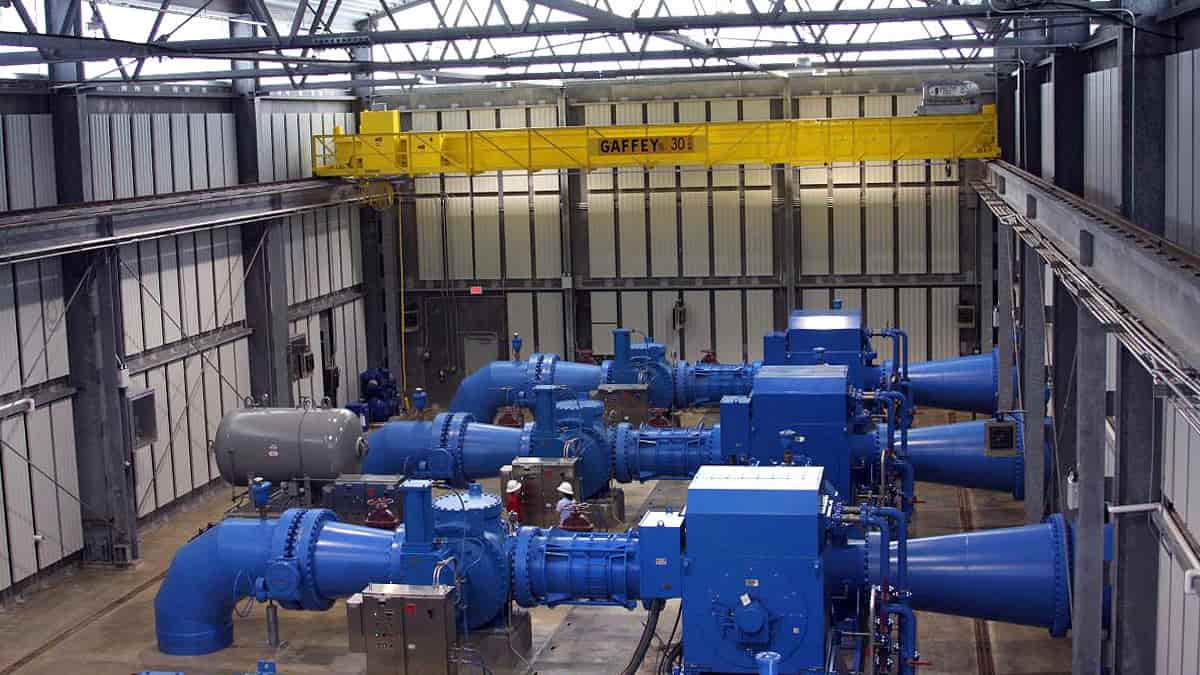
Centrifugal Pump Types
The sort of pump types that is utilized today most frequently is a centrifugal one
Centrifugal pumps come in a wide range of designs, and they are frequently used because of their straightforward design, excellent efficiency, large capacity and head range, smooth flow rate, and simplicity of use and operation maintenance
Axial-flow pumps Operational tenets One or more impellers, which rotate and are attached to centrifugal pumps’ shafts, are used
It supplies the power to pressurize the fluid so that it can move through the pipe system and via the pump
The motor’s mechanical energy is thus transformed into fluid motion energy via the pump
A portion of the energy is converted into the kinetic energy of fluid motion, and a portion is converted into potential energy, which is represented by fluid pressure or by raising the fluid higher than it would otherwise be due to gravity
Centrifugal force is typically used to explain the energy transfer from the mechanical rotation of the impeller to fluid velocity and pressure
The centripetal force’s pressure is reflected in the outflow pressure
A centrifugal pump operates by sucking fluid from the system into its suction port, where it is then transferred to the impeller’s interior
The fluid is subsequently forced through the revolving vanes by the rotating impeller, which also increases the fluid’s kinetic energy
The fluid subsequently leaves the impeller vanes and moves through the pump valve or diffuser housing, where a diffusion mechanism transforms the high fluid velocity into high pressure
The fluid is subsequently delivered to the pump’s discharge port and from there to the system, or, in the case of a multi-stage pump, to the subsequent step
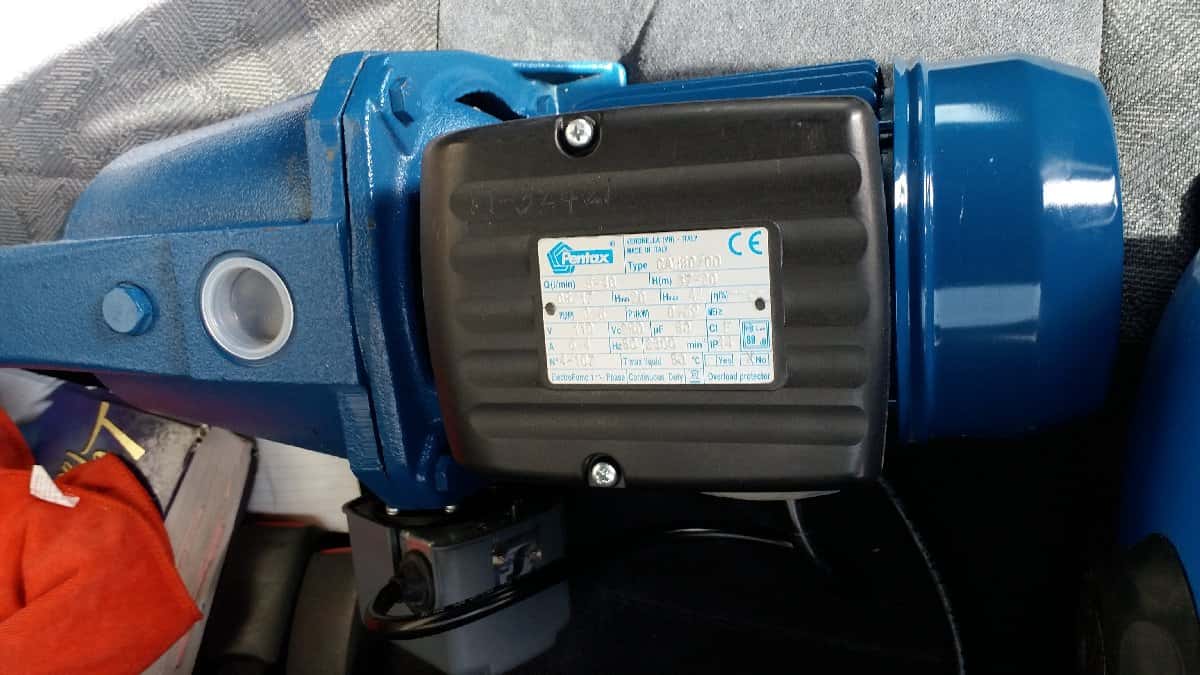
The optimum option for low viscosity (thin) fluids and high flow rates is typically a centrifugal pump
In several home, commercial, industrial, and municipal applications, they are frequently employed
What mechanism drives centrifugal pumps? Different types of centrifugal pumps The primary distinction between each of the four types of centrifugal pumps is the mechanism that propels the reciprocating diaphragm
Manually triggered This kind of pump has a diaphragm-directly coupled reciprocating mechanical linkage
The motor’s rotation is changed by a set of gears or other mechanical device built into the pump into the reciprocating motion of a linkage attached to a diaphragm
Changing the stroke length or pump speed will alter the flow rate
Hydraulic regulation In this method, the diaphragm is flexed using an intermediate hydraulic fluid that is situated on the side of the device without an outlet
A piston in motion compresses hydraulic fluid
Although it functions similarly to a diaphragm that is mechanically operated, the piston is not connected to the diaphragm; instead, it applies medium hydraulic fluid pressure to the diaphragm, causing it to deflect
When using this kind of diaphragm pump, the flow rate can be changed by altering the pump’s speed or the volume of hydraulic fluid flowing
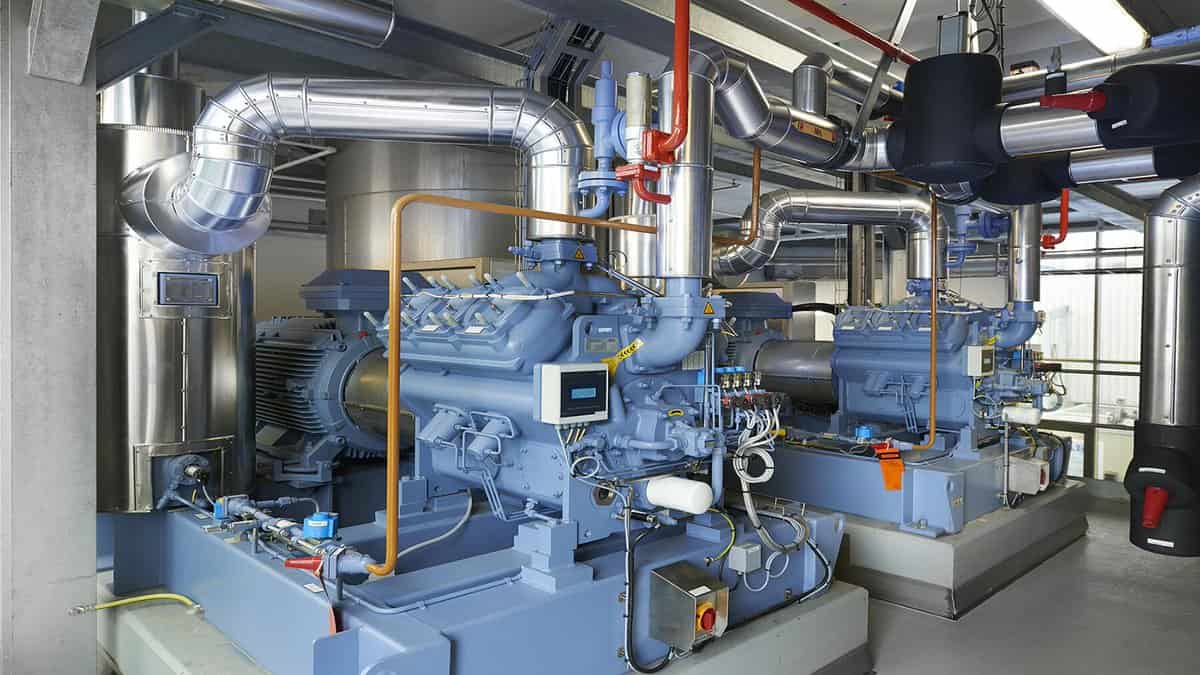
Solenoid The solenoid in these pumps is turned on and off by an electric motor that alternately generates an electromagnetic force that interacts with the metal portion of the diaphragm
The diaphragm flexes as a result of this
The pump’s speed can be changed to alter the flow
Double-Diaphragm Air-Powered Pumps (AODD) It is a particular kind of double-acting pump
They have two check valve sets and two diaphragms
Compressed air alternately acts on the outlet side of one diaphragm and the non-outlet side of the other to power the pump
A shuttle valve is used to direct air from one side of the diaphragm to the other
The flow fluctuates depending on the air pressure that is delivered to the pump
Common uses Many commercial, industrial, municipal, and scientific applications use diaphragm centrifugal pumps
Typically, they are employed as metering pumps to pump exact amounts of liquid for the treatment of water (eg drinking water, waste water, boiler water, swimming pool water, etc
)
It is utilized in process applications when extremely high pressures are necessary, liquids must be monitored, or the sealless aspect of this type of pump is a key benefit
When moving liquids devoid of electricity or containing particulates, AODD pumps are frequently employed
A multistage centrifugal pumps use as a boiler feedwater pump is a typical application
For instance, two feed pumps would need to be used in tandem for a 350 MW facility
A multi-stage centrifugal pump with a 150 l/s at 21 MPa output will be used for each feed pump
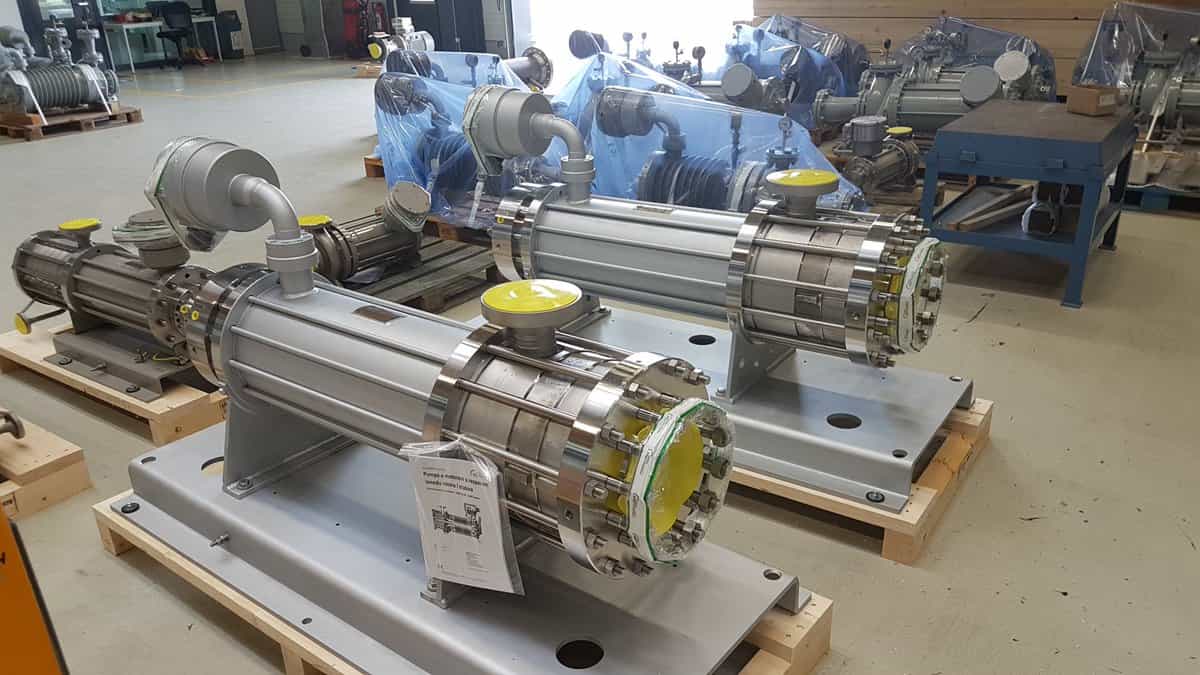
The mechanical energy that powers the impeller is the source of all the energy that is transmitted to the fluid
This can be observed in isentropic compression, which results in a little temperature rise (in addition to increase in pressure)
High pressure or pressure head applications employ multistage centrifugal pumps
Diaphragm pumps often fall under the following categories:
Flow rates vary between 20 and 750,000 lpm
The range of the total head (pressure) is 0
3 to 215 bar
Power ranges from 0
3 to 4,500 horsepower
Construction materials come in a wide variety, ranging from different plastics and cast iron or stamped stainless steel for light duty to bronze, exotic alloys, special polymers, and materials that are more corrosive, abrasive, sanitary, or otherwise challenging in applications
The principal benefits of centrifugal pumps Since there are no drive seals, there is zero chance of leaking
This implies that it is possible to pump dangerous liquids without their spilling
Eliminating drive seals guarantees total fluid separation from the pump drive and gets rid of leaks, friction losses, wear, and noise
By doing this, it is made sure that practically all of the engine’s power is turned into pump power
No heat transmission from the motor because there is an air gap between the pump chamber and the motor; construction of a thermal barrier
The process fluid must be completely isolated so that no fluid from the pump can enter the motor
The vein has shrunk
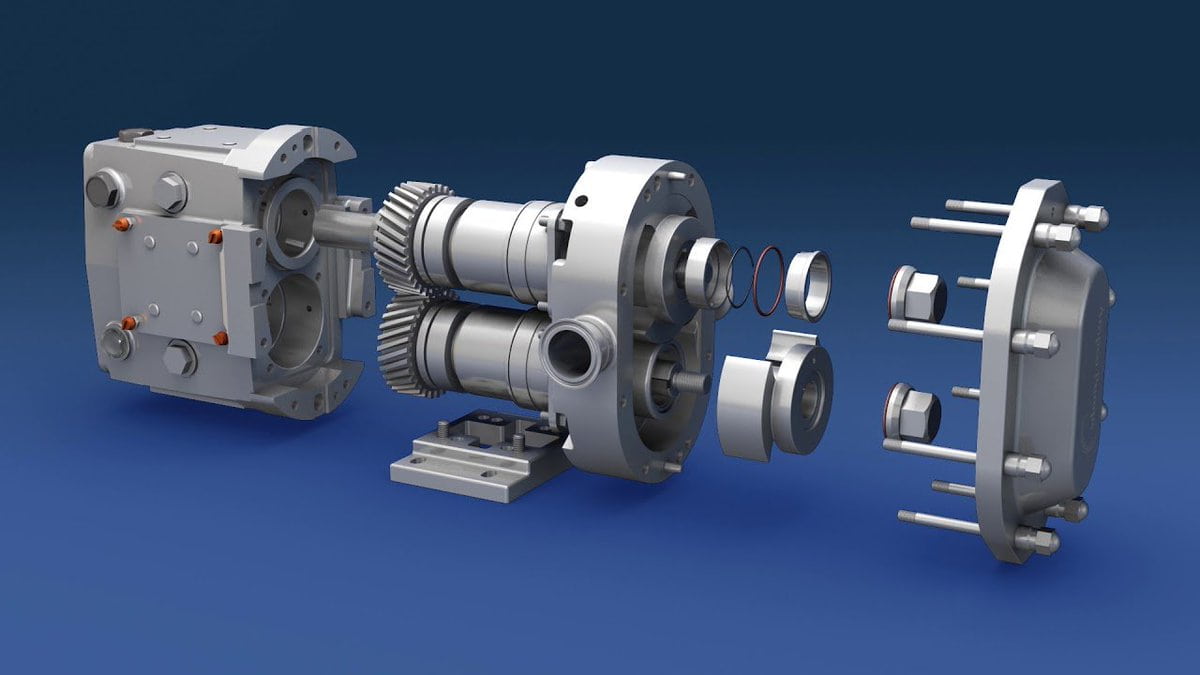
If the pump load is too great, the magnetic connection may fail
This “breaks” the magnetic coupling, indicating that the pump isn’t broken or overworked
The principal drawbacks of centrifugal pumps
The use of a magnetic drive pump can be troublesome with fluids that have ferrous particles in them
This happens as debris builds up on the impeller magnet over time, which causes the pump to stop operating
Fusion results in some energy loss
The main cause of this is some magnetic resistance
Unexpectedly high loads could result in disconnections
Following are a few of the typical issues that can arise with these pumps:
Cavitation – This might happen when a system’s net positive suction lift is too low for a particular pump
Excessive wheel wear – Suspended solids frequently make this condition worse
The characteristics of the fluid promote corrosion inside the pump
Either the line is over- or under-voltage
Low flow causes the pump to overheat
A rotating shaft’s fluid flow Centrifugal pumps need to be primed; they are not primed (with the liquid to be pumped)
The majority of centrifugal pumps do not self-prime
In other words, the pump cannot function unless the pump bag is full with liquid before it starts
The pump impeller becomes blocked with gas and unable to pump if the pump body is filled with vapors or gases
The majority of centrifugal pumps are situated below the source level from which the pump must draw its suction in order to maintain pressurization and prevent gas buildup
The same result can be obtained by adding liquid to the pump’s suction while applying pressure from another pump that has been installed in the suction line
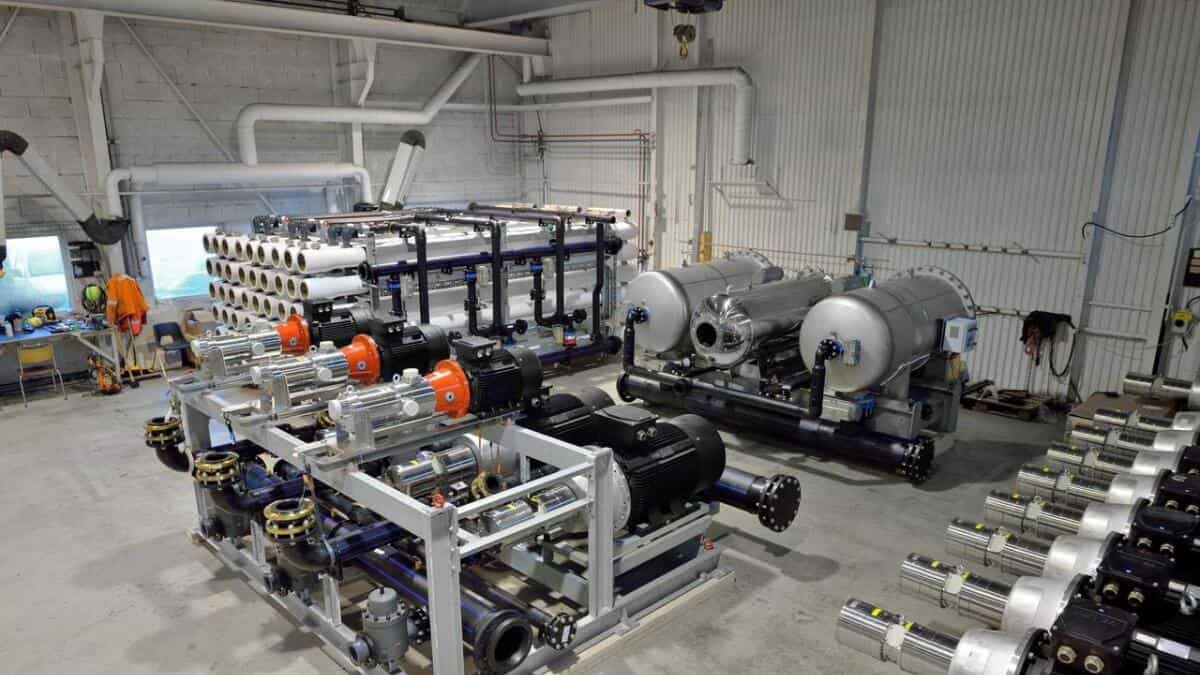
Vertical Centrifugal Pump
Applications for centrifugal pumps can be found across industry
They provide outstanding operating effectiveness and significant fluid pressure and flow rate flexibility
The in-line centrifugal pump models will be offered in both horizontal and vertical variants
What distinguishes the two designs of inline centrifugal pumps? What is the best option for your process application? Here, we provide answers to these queries
Basic design variations The shaft’s orientation is the first and most evident difference
The shaft of a horizontal centrifugal pump is often positioned between cantilevers or bearings, horizontally
A vertical centrifugal pump, on the other hand, has a shaft that is oriented vertically
The shaft is cantilevered and has a radial design
Choosing the right pump for your operation can depend on a variety of factors
Among these are the pump’s general usability and upkeep, the installation site, and the performance
With that in mind, let’s examine some of the benefits and drawbacks of each pump type
Vertical centrifugal pumps: Benefits and Drawbacks On the plus side, horizontal centrifugal pumps have internal components that are simple to access and are simple to install and repair
To achieve the needed pumping pressure, choose the right shaft design
A cantilever shaft is better suited for low suction applications whereas a shaft in bearing is preferred for high suction pressure applications
It is safe to combine external accessories like impellers, electric motors, or oil motors with horizontal centrifugal pumps
Last but not least, the horizontal pump’s low headroom makes it perfect for interior applications where vertical space is frequently constrained
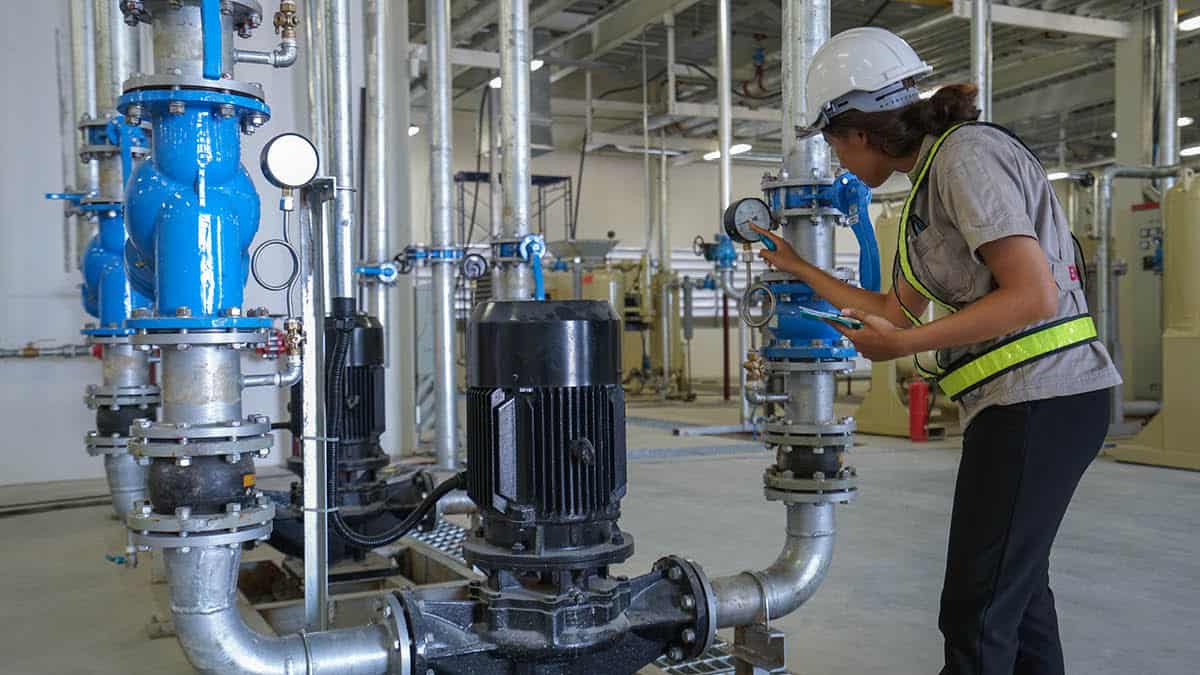
If floor space is a concern in your facility, a horizontal centrifugal pump will have a larger footprint
In comparison to vertical options, horizontal pumps typically operate at lower working temperatures and pressures
Additionally, if the application calls for greater NPSH (net positive suction head) than the particular pump can supply, you shouldn’t utilize a horizontal centrifugal pump
In this regard, it will have a constrained capacity
Applications on the horizontal
A high degree
Movement of water in spray systems
For universal fluid transfer
Both advantages and disadvantages of vertical centrifugal pumps
Vertical centrifugal pumps will undoubtedly occupy less floor space if you have a tiny location and need a pump with a compact footprint
The NPSH can be altered to handle a variety of applications, and they are ideally suited to fluids at high temperatures and pressures
A vertical pump requires a lot of headroom, which makes installation and maintenance more challenging
A pit and barrel will also be required by many (especially for large multi-stage pumps)
Only electric motors can be used in conjunction with vertical centrifugal pumps
Higher suction pressures present certain operating issues due to the difficulty of axial pressure equalization due to the cantilever shaft design
In addition, handling fluids with high dissolved gas concentrations can be challenging and result in mechanical seal failure
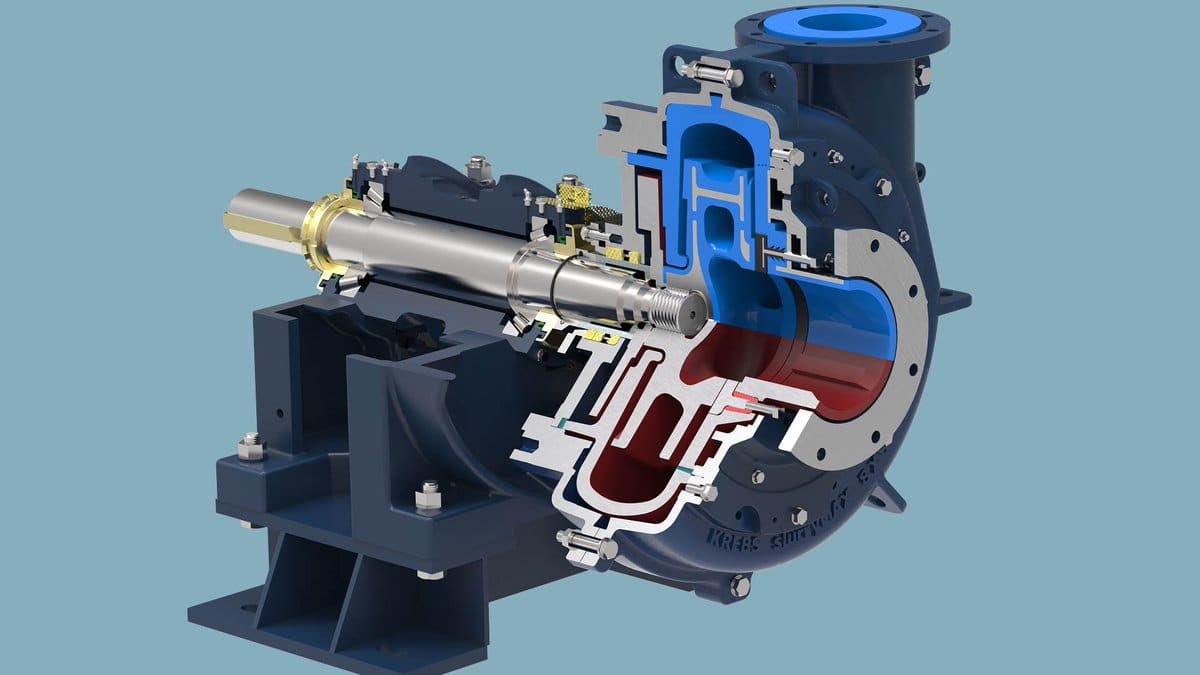
Applications in the Vertical
Condensate
Booster station from The Simpsons
Lifting apparatus
Prior to making your final pump decision, you should consult with an expert like Kartek DXP to receive all the information you require for selecting and designing the best horizontal or vertical pump for your application
We deal with all of the top vertical and horizontal centrifugal pump manufacturers in the world, including Blackmer, Pumpworks, Sunden, Vertiflow, Ensig, and Flowey (among others)
Let us assist you in locating the pump that best meets your requirements
Visit our website or get in touch with us right away for additional details about centrifugal pumps and accessories