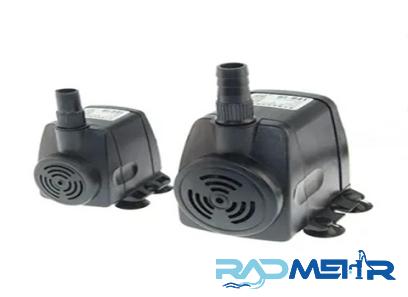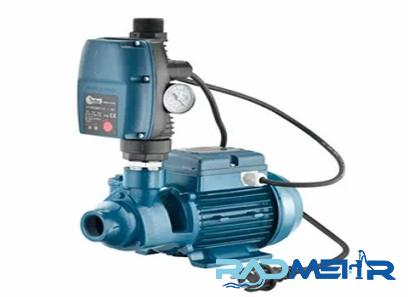
Buy the latest types of electric water pumps
To comprehend the benefits and drawbacks of electric and mechanical water pumps (which ones are better that others), you must first comprehend why anyone would desire one
Although it’s actually a coolant and antifreeze pump, we’ll refer to it as a water pump for convenience since that’s what the majority of auto mechanics name it
A conventional water pump is a component that is belt-driven (or occasionally cam-driven)
In other words, the motor, which is a rotating rubber belt, is used to extract rotational mechanical energy that is then used to power the internal pump mechanism
The engine coolant is sent on a tortuous route via the radiator, the engine block, where it absorbs heat, and back through the pump by an impeller in the pump
A typical car engine operates at a relatively pleasant 200°F (93
3°C) with the water pump on, making everyone—including your car—happy
Why then would you add an electric version to something so good? The fact is that you have to pay for any attachment that uses up the motor belt
It reduces a car’s horsepower, fuel efficiency, or both
Do you realize how much driving with the air conditioning on slows your car down and reduces its fuel efficiency? This is so that the motor may continue to run at a steady speed while driving the AC compressor that is belt-driven
The same parasitic energy waste always happens to your water pump
Belt power is not required for an electric water pump
It utilizes batteries in its place
You might be asking why you’re exerting additional strain on the dynamo (belt drive), which provides the energy to charge the battery, given that the fundamental law of thermodynamics states that you cannot generate or destroy energy
Shouldn’t the energy loss effect performance and require compensation elsewhere? In a nutshell, not in the way you think
Thermodynamics’ first law still applies
Mechanical water pumps, on the other hand, run continuously at a speed inversely proportional to engine speed
As a result, you occasionally find yourself pumping a lot of coolant when the engine isn’t actually hot enough to require it
This is a waste of energy
When you park your car after a long drive on a hot day, your engine may need more cooling than it should
Some engine components may wear out more quickly as a result of this
On the other hand, a manufacturer can deliver the right amount of coolant to the engine at the right temperature range using an electric water pump
So it’s actually more effective and better tailored to the unique cooling requirements of your engine
One drawback of electric water pumps is that they are typically less effective than mechanical pumps because of their slower flow rates, which slow down the movement of coolant
Electric water pumps have typically been promoted to persons who race their automobiles due to their potential to improve horsepower
Despite the fact that many users on the sports car forum claim to have already experienced long-term, worry-free performance, some individuals are afraid that they might not be durable enough for daily driving in challenging conditions
In addition, improvements of 3 to 10 horsepower have reportedly been made
If you’re thinking about getting one, talk to a dependable mechanic, look over the manufacturer’s warranty, and keep in mind that installing one can void the guarantee on your car
Depending on how you drive, an electric water pump may be able to increase horsepower as needed, increase mpg, and even lengthen the engine’s lifespan by lowering stress
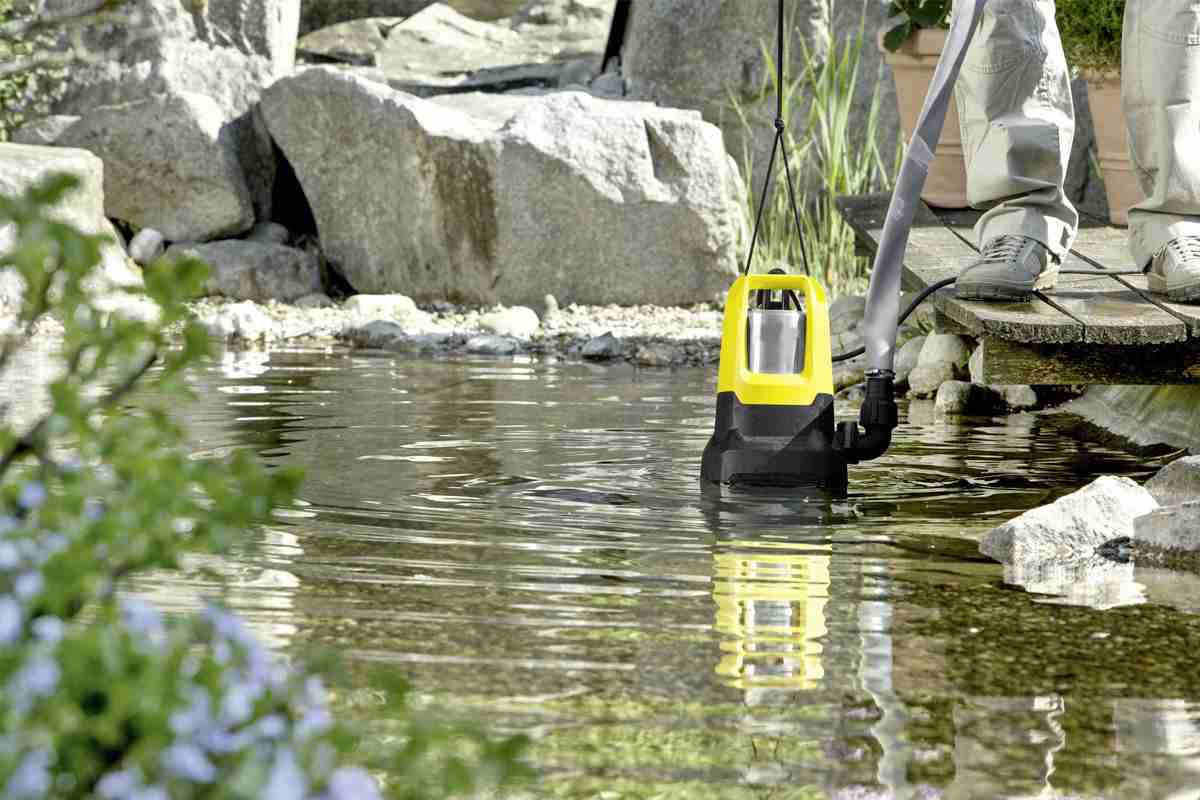
Electric Water Pumps
Water pumps: mechanical or electric? Performance and racing aficionados frequently ask this subject, and it will presumably continue to do so as long as the obvious trade-offs are preserved
No of the application, keeping the engine at its ideal operating temperature is crucial
Both types of pumps accomplish this, but in very different ways and with both significant and less important trade-offs
Your choice typically hinges on whether the vehicle will be employed as a race car or a road car
However, high-horsepower vehicles are becoming more commonplace, and as a result, there is increasing discussion concerning the advantages and disadvantages of selecting mechanical over electric and vice versa
Which one is the best option if you’re driving a real street car? Compare and contrast mechanical and electrical Long-established mechanical water pumps are a dependable way to provide water to the engine, where it circulates through the cylinder head and engine block openings before returning to the radiator
If you get a large enough pump, there won’t be a problem with flow volume since the power needed to move the pump is supplied by the motor itself
Mechanical pumps of the centrifugal type are powered by a helical belt, typically directly from the crankshaft
You require: A mechanical pump fulfills all the requirements for a road vehicle that occasionally operates for hours in stop-and-go traffic, which is why mechanical pumps are standard on almost all manufacturing vehicles
However, there are drawbacks for racers and people who have a rigid concentration on superior performance
Parasitic main horsepower losses take place because the motor serves as the pump’s “motor
” And that’s a deal breaker for some people, especially those who are aiming to break a record or achieve a certain performance objective
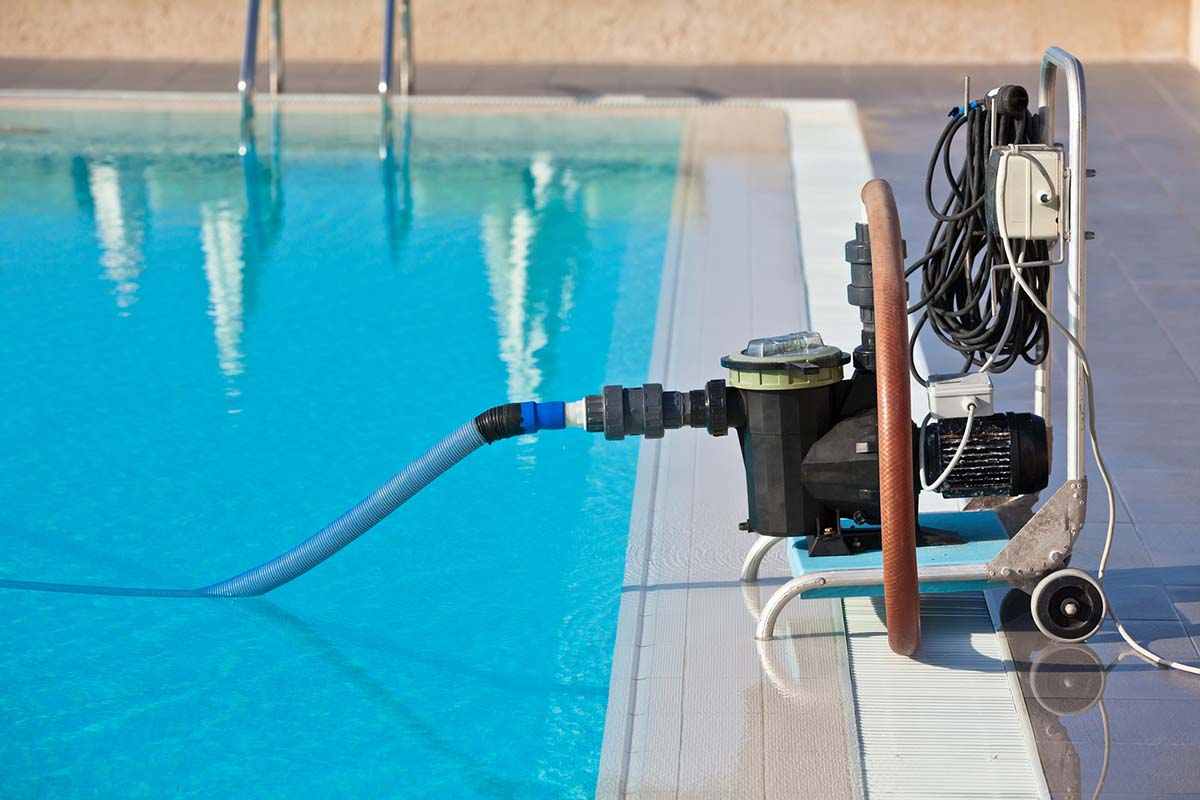
A mechanical pump’s drawback is that it loses a lot of power to the drive
“Given the time and work we put into creating it, it would be a tremendous shame to lose that precious power,” Mezier adds
Drag racing is cited by Schroeder and Mazier as an excellent application for electric pumps since flow stability is a crucial component in this kind of racing
Up to 36 gallons per minute of flow can be produced by Moroso electropumps, and this volume is still usable after the engine has been shut off
The trade-off is that electric pumps normally are unable to deliver the maximum flow volume that a mechanical pump is capable of, and in some situations, particularly in supercharged road cars, not enough flow is produced to maintain proper cooling
Rotary vane Both exist and do not
Electric pumps normally flow two to three times as much as mechanical pumps at idle (because the electric gives a constant flow rate while the mechanical scale moves at engine speed), though the numbers vary
However, when rpm increases, the difference between the two increases
The pendulum swings when the engine speed exceeds 3000
Points are in favor of the mechanical, and Meziere claims that above 6500, there is “no doubt” that the mechanical will win out at maximum current
On V8 engines, the majority of mechanical pumps operate at 8 gpm and peak at 70 gpm at 6500 rpm
The motor design of an electric pump determines the battery’s power usage
Meziere pumps employ 200 watt motors, which at maximum load and 12 volts can deliver 16
6 amps
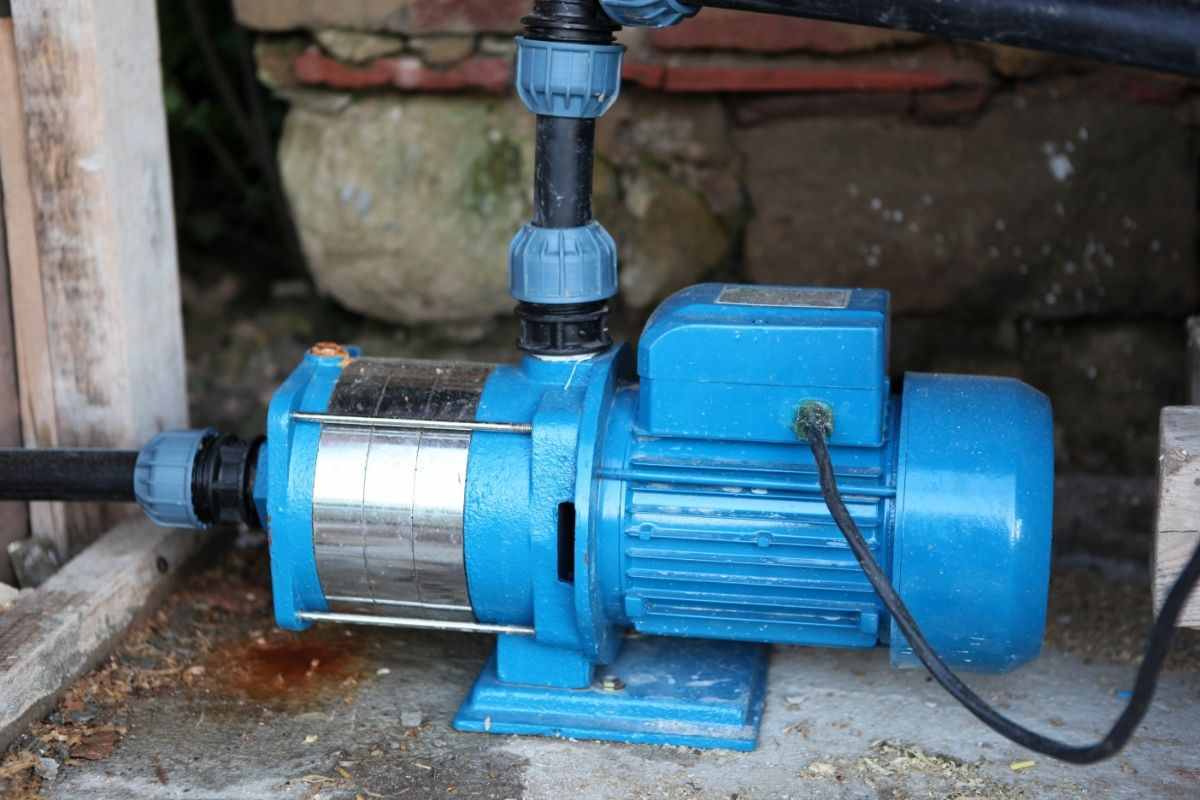
Meziere claims that the typical observed load for their regular pumps is closer to 9 amps and 12 amps for high flow versions
Both models of Moroso pumps can be used in race cars without alternators because they both require 8–10 amps when loaded in a normal 12-volt application
By raising the voltage, an electric pump’s flow can be temporarily improved, but this usually results in the pump needing more frequent significant repairs and, worse, may cause the motor to become overheated and fail
Electric pumps are also liked for their packaging, which may be mounted remotely (i
e
, not directly in front of the engine block) and sometimes results in a noticeable difference
Between needing to make significant automobile modifications and getting the engine where you want it
Accessing the camshaft timing adjustment physically can be made easier by remote mounting
When using a large turbo or blower, Schroeder explains, “if there are issues with the engine compartment seal, running a remote-controlled electric water pump might free up space in front of the engine
” When fitting a large engine into a place designed for a much smaller engine, remote controlled water pumps may be the answer
On kit vehicles with a rear engine and front radiator, remote-controlled electric water pumps are used both alone and in conjunction with mechanical water pumps to change the engine
Interestingly, manufacturers claim that externally mounted pumps typically have a longer lifespan as well, which they attribute to the internal electric motor’s coils, brushes, and seals not being exposed to harmonics
And if that’s what the client is referring to, even though the Moroso and Mezir don’t have identical weights, electric pumps do weigh less than their mechanical counterparts
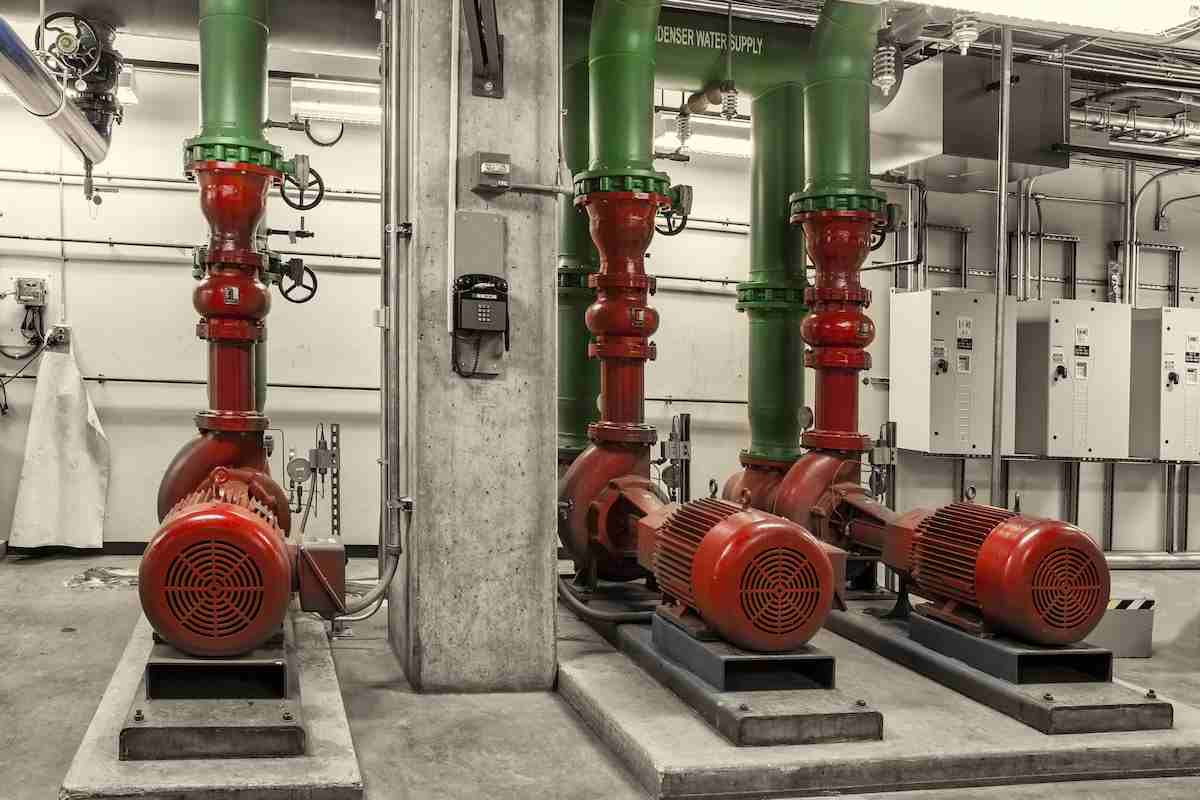
Exist other options? Of course, there are ways to simply select mechanical or electrical, as well as ways to modify your application to accommodate one or the other for a particular purpose that it might not be designed for
The best of all worlds can also be found in some products, but it all depends on how zealously you want to lose a few horsepower
Meziere claims that the majority of mechanical pump manufacturers are aware of their pump’s cavitation rate
They absolutely want to maintain a lower rpm
In a handful of instances, the powered pumps have not operated effectively enough when at rest
As a result, the vehicle overheats while travelling
Our mechanical pumps excel in this area because they have less internal play and flow better at low speeds than shell pumps because they are entirely machined on the casing and impeller
Of course, the water pump is only a small component of a road vehicle’s equation, as the engine (the heat source), radiator, airflow around the engine, vehicle speed, total cooling system capacity, and exhaust system heat output all affect how far the pump can be driven
There is always the possibility to physically switch the pumps from mechanical to electric for the track and back to everyday riding if horsepower is really essential to you

But does juice actually merit a boost? Schröder adds, “I don’t think it should be necessary,” and states, “I don’t think it’s worth switching between pumps
” Any road or patrol car is a good choice for an electric pump, with the exception of turbo applications that require tremendous pressure
Spilling coolant or water and then having to top it off while out on the trail really does sound like a fun-killer
The last choice, and maybe the most cost- and time-effective, is the Moroso Electric Water Pump Drive Kit, which functions as an optional conversion kit and enables both mechanical and electrical operation
The greatest option in the world for individuals who wish to operate inside the engine is a pump kit, which includes a 12 volt electric motor, two driving pulleys, a serpentine belt, fasteners, and a toggle switch
Mechanical Water Pumps
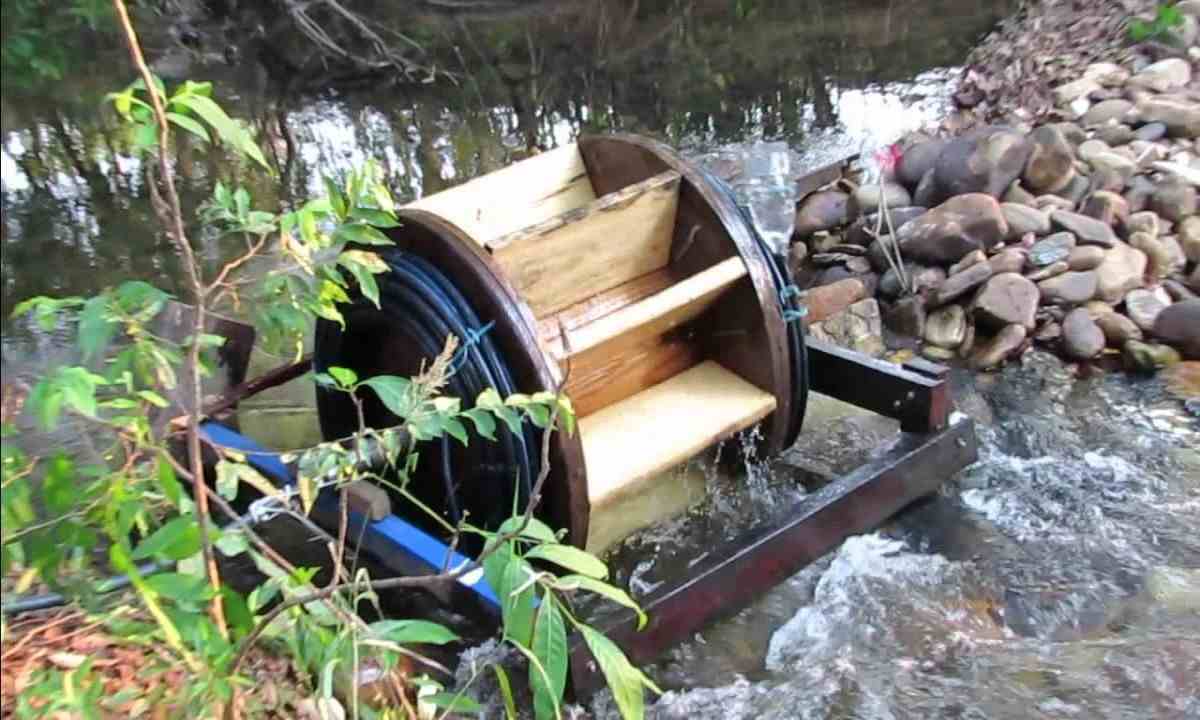
I refer to them as mechanical water pumps that moves water using gravity
It operates similarly to a hydroelectric power plant in that turbines are propelled by the water’s flow or pressure, which turns generators
The same concepts are used in my technology, where when necessary we simultaneously spin mechanical water pumps and generators in place of using a generator
We linked the turbine and gearbox on either side of my system here
In order for the mechanical water pumps and the electric generators to both rotate while the turbine is open, we drive the shaft from these gears to attach the generators to it, or we connect them at the bottom
This implies that we can pump water from a river, stream, or even a hydroelectric power plant while also producing energy
Although it might not seem like a huge problem at first, I am aware that this is a crucial advancement or creation
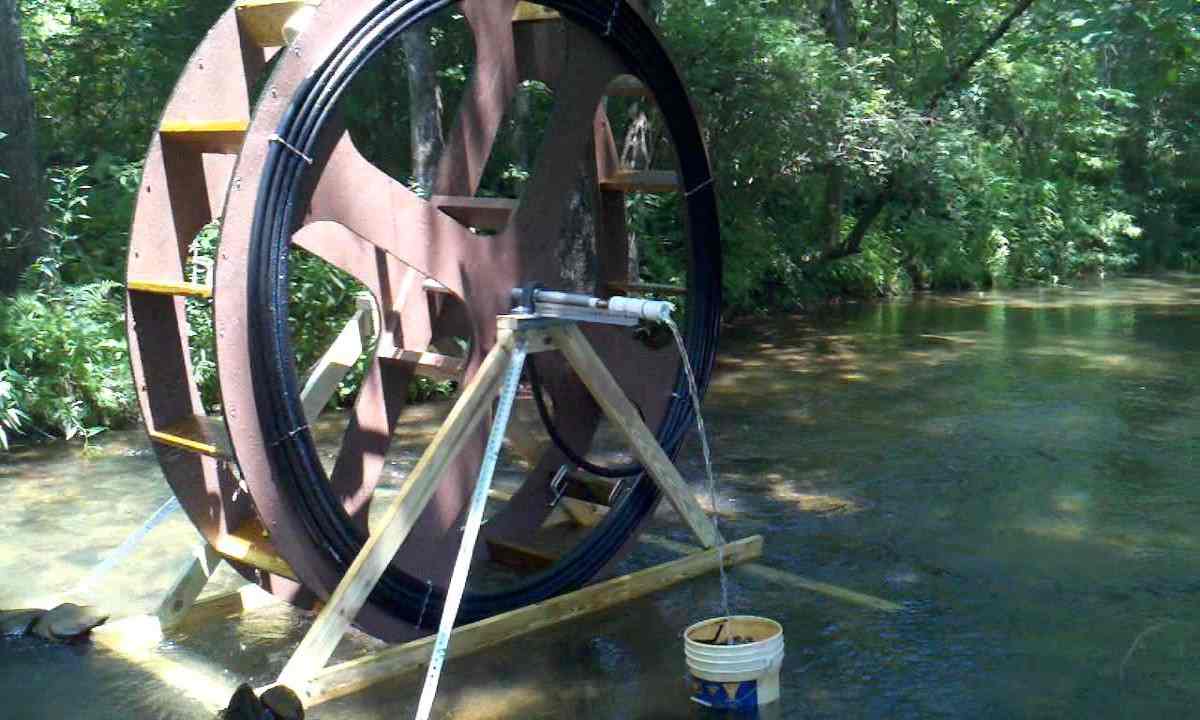
There are several explanations for why this is the case and applications for this technology for irrigation, the water supply of some cities, country homes, etc
This technology, which can be created practically anywhere in the world, will benefit urban and rural communities lacking in fuel or electricity to power/run the pumps
These pictures appear to show that the water’s gravitational pull aids those in need
It seems like a pretty affordable way to pump water, and this technology might play a big role in the future
The mechanical pump shown in this illustration has a substantially longer operating life than comparable water pumps
They practically never overheat, in contrast to all other water pumps, which frequently do
Gears are made to withstand heat and heavy loads
The system or structure is made to function as a floating structure or as a small dam structure that can be employed in different ways to transform even enormous dams into irrigation power plants