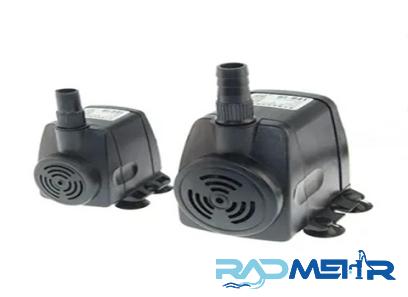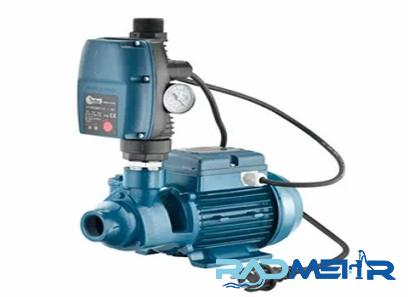
Price Rotodynamic Pump for Water
Positive displacement or centrifugal pumps are frequently identified with fair price
But you’ve likely heard of rotodynamic water pump types, which are frequently mistaken for centrifugal pumps
So, what distinguishes centrifugal pumps from rotary pumps? Yes, there is a noticeable difference, is the quick response, but let’s go deeper
A rotating component is seen in rotodynamic pumps (such as an impeller, rotor, or screw)
This provides the fluid with mechanical energy, increasing its kinetic energy, which is later transformed into potential energy (pressure) in the pump casing
The differences and flow directions of each type of impeller, rotor, and propeller are listed here
Rotodynamic pumps are kinetic devices where the fluid being pumped is continuously energized by a spinning impeller, screw, or rotor
These pumps primarily increase the fluid’s kinetic energy to transfer mechanical energy to the fluid
The discharge manifold is where the kinetic energy is later transformed into potential energy (pressure)
The most prevalent rotary pump types include centrifugal (radial), mixed-flow, and axial-flow (propeller) pumps, as well as what were formerly known as vertical turbine pumps
Impellers for axial, mixed, and radial flow
The phrase “rotodynamic pump” refers to a larger class of pumps, which also includes axial, mixed, and centrifugal (radial flow) pumps as well as others with unusual constructions
The most typical form of pump is a centrifugal one, and the name refers to impellers with radial flow that enter vertically and parallel to the pump shaft but discharge perpendicularly to the shaft
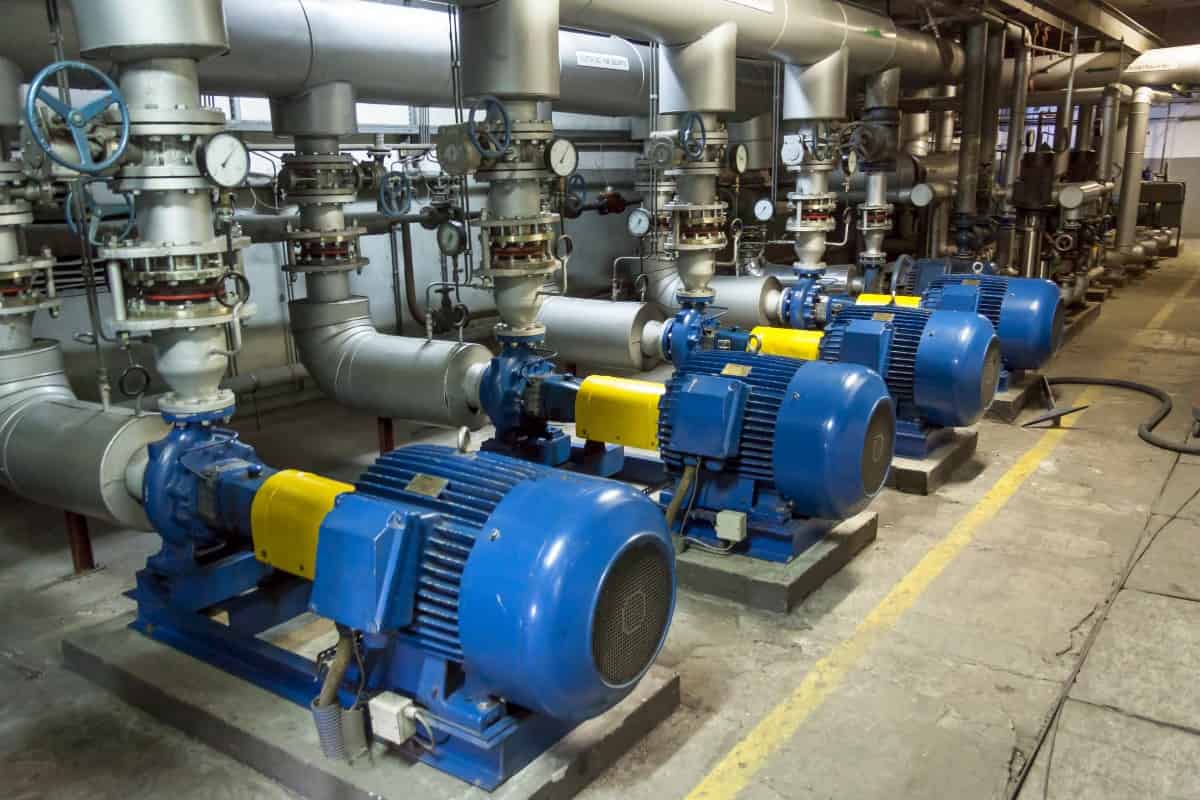
Rotodynamic Water Pump
In contrast to a positive displacement pump, which moves liquid/water by taking a certain volume of liquid and forcing it to the pump outlet, a rotodynamic pump is a kinetic machine in which energy is continually transmitted to the pumped liquid by a revolving wheel, propeller, or rotor
Examples of rotodynamic pumps include those that impart kinetic energy to a fluid, including those that use centrifugal pumps to raise a fluid’s pressure or velocity
A mechanical device called a pump is typically used to move liquid from one level to another
Low pressure at the pump’s inlet and high pressure at the exit are created to accomplish this
The liquid rises from the location where it is to be kept or distributed because of the low intake pressure
However, a prime mover must exert effort in order for the fluid to receive mechanical energy from the prime mover, which is then transformed into pressure energy
Regarding the fundamental mode of operation, there are two types of pumps:
Quantitative pumps
Pumps without positive displacement
Following are the categories for pumps:
Pump with positive displacement
A positive displacement pump operates by pushing a specific amount of liquid from the pump’s inlet pressure region to its discharge area
It falls into two categories: Pump with positive displacement, rotary:
Pump with internal gears
Nut pump
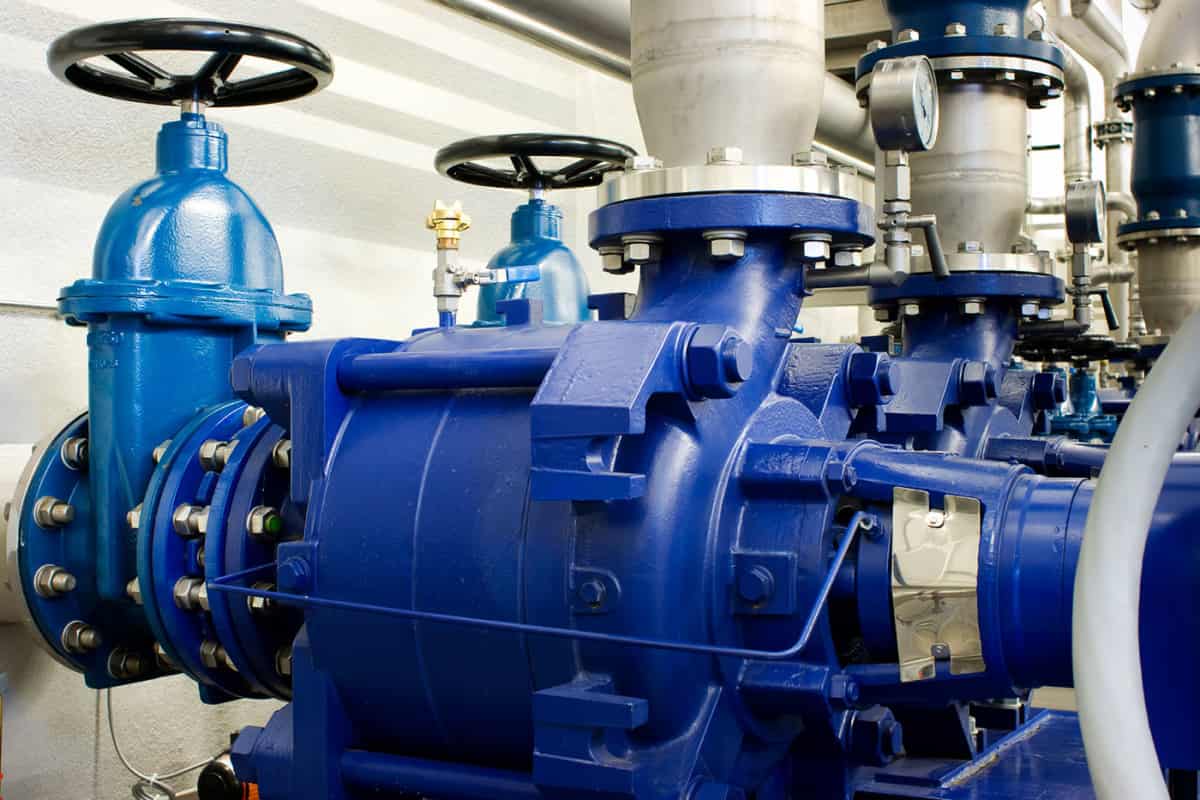
A reciprocating positive displacement pump:
A piston pump
Dialed-in pump
Pump rotor for positive displacement
Using a revolving device that creates a vacuum and draws in the fluid, a positive circulation pump can transport fluid
Positive displacement pumps come in two different categories:
Gear motors
Rotating pistons
Pump with positive displacement that reciprocates
Pistons, plungers, or diaphragms are used in reciprocating pumps to move fluid, while valves stop fluid flow in a certain direction
These are straightforward pumps with one or more cylinders
They can be either one-way, where the piston moves in one direction for suction and the other for discharge, or two-way, where the piston moves in both directions for suction and discharge
Pump with indirect displacement
The amount of fluid delivered for each cycle using this pump depends on the flow resistance
For any given pump speed, a pump applies a constant force to the fluid
A force in the opposite direction is produced by resistance in the discharge line
The fluid is at equilibrium and does not flow when these forces are equal
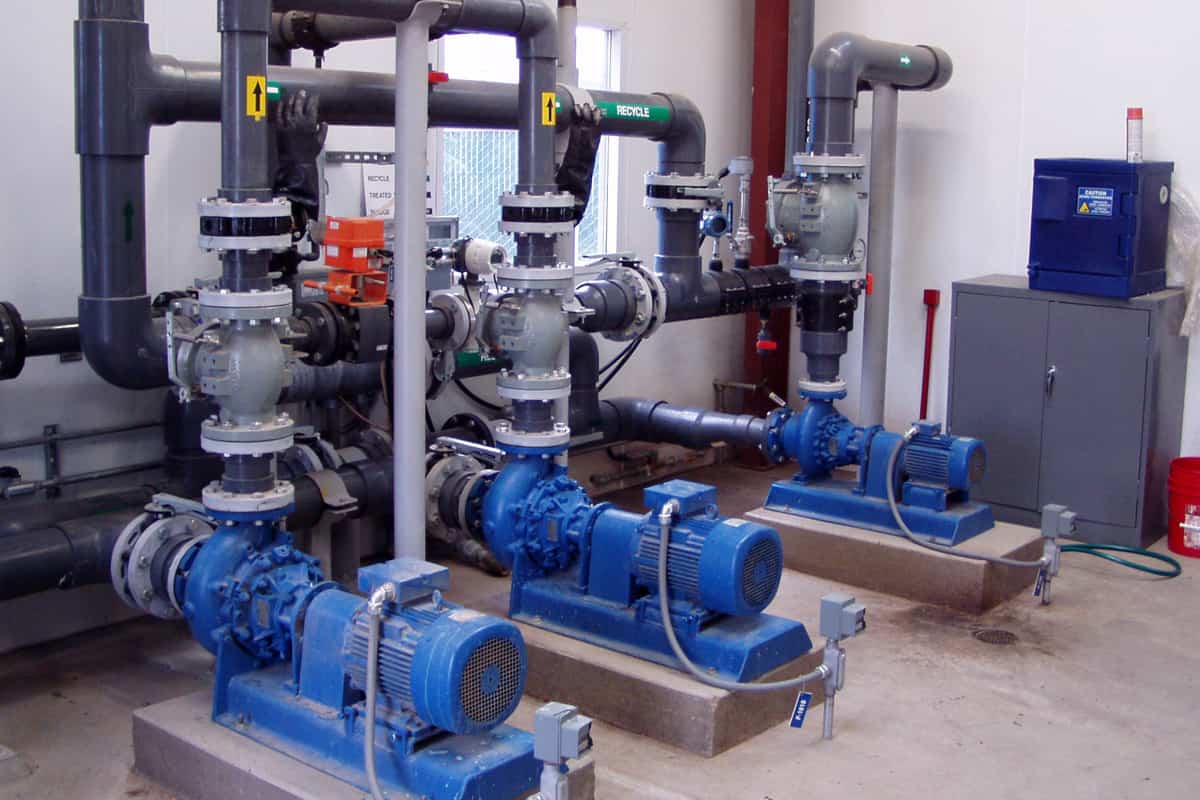
The discharge pressure for a negative displacement pump operating at maximum speed will reach its maximum if the pump’s exit is entirely blocked
Axial-flow pumps
By applying pressure to transport fluids from a lower level to a higher level, centrifugal pumps use centrifugal force
The most basic kind of pump has an impeller positioned on a shaft that revolves in a volute
The fluid is directed to the impeller’s center, or the “eye,” where it is caught by the blades, propelled rapidly through them, and then forced out by centrifugal force into the housing and out the discharge pipe
A vacuum is produced as the fluid is driven out of the center and past the fans, accumulating pressure energy and kinetic energy
The design stipulates that the fluid’s kinetic energy is transformed to pressure energy before it enters the discharge pipe since having a lot of kinetic energy at the turbine’s exit is undesirable
Rotodynamic pump types
Based on a variety of criteria, including design, construction, uses, simplicity of maintenance, etc
, rotary pumps can be categorized
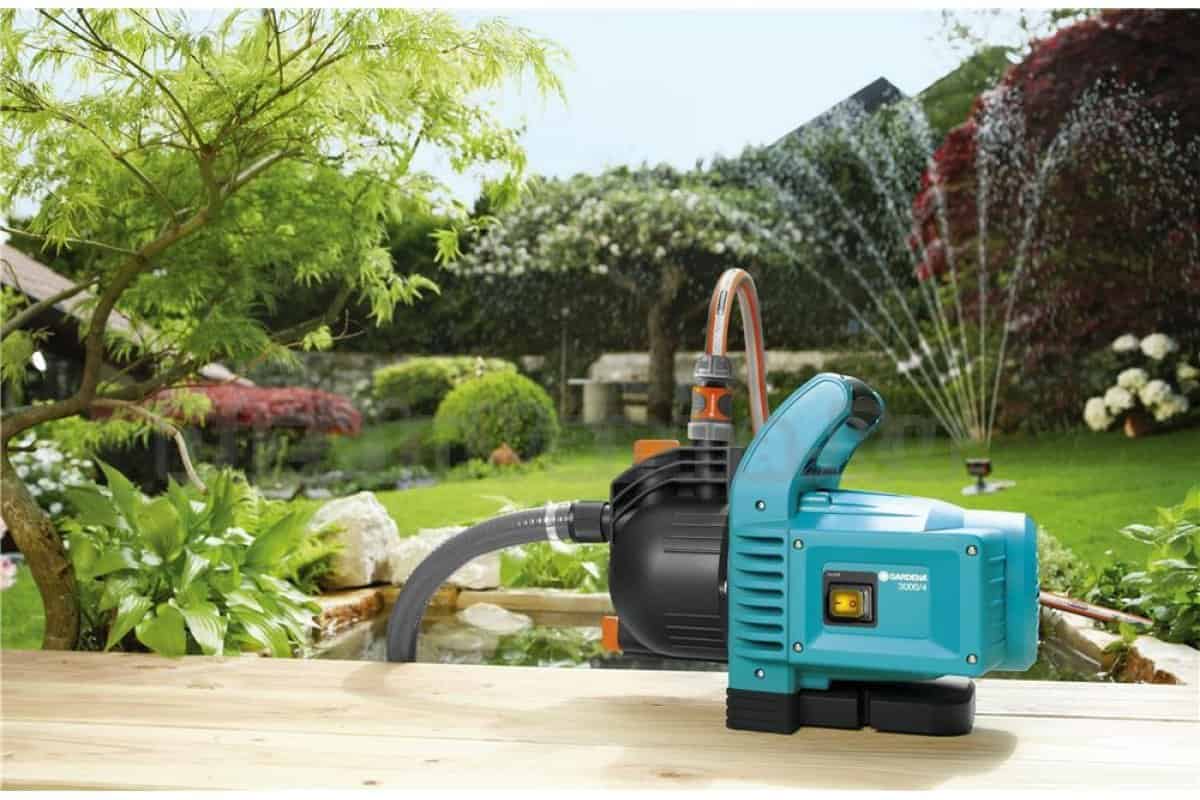
By steps’ types: Single-stage pumps: This pump has only one impeller
Its design is straightforward, and upkeep is simple
It is perfect for installations requiring low pressure and high flow rates
Pump with two stages: It has two wheels that move in tandem
It is employed in moderate applications
This type of pump has three or more coils connected in series
They are applied in aerial settings
Breakdown of cases by type: The volute casing is divided axially in these sorts of pumps, and the parting line—where the pump casing is separated—is situated in the shaft’s middle
Due to their simplicity in installation and maintenance, they are typically mounted horizontally
Radial distribution: In this case, the volute casing is split perpendicular to the shaft axis while the pump casing is divided radially
Based on the various wheel model kinds
Single structure: It has a single suction wheel, via which a single aperture for liquid entry is provided
Despite having a straightforward construction, the propeller’s axial imbalance is increased since current only passes through one side of the device
It includes a twin impeller, allowing liquid to enter from both sides of the nipples thanks to its dual structure
The majority of pumps fall under this category
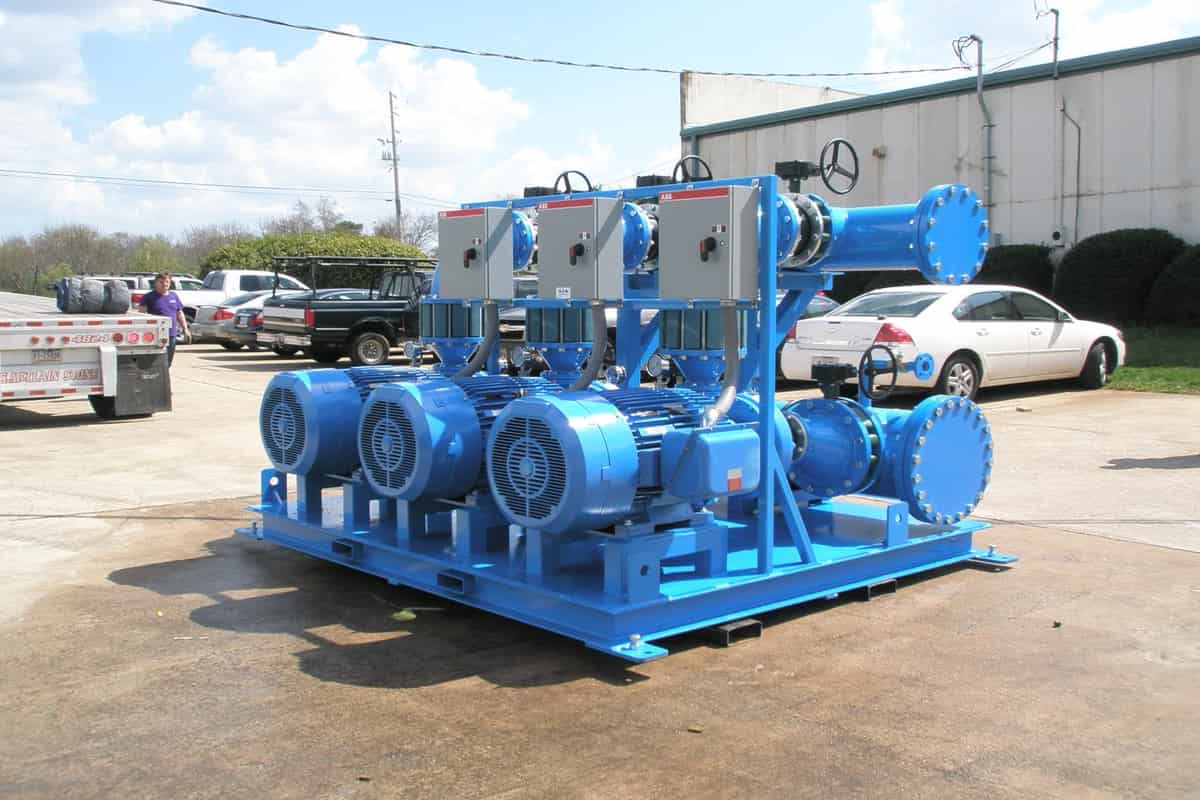
Depending on the kind of money: Single currency pump: Due to its small volume, it is typically used for pumps with limited capacities
Small size is difficult to get yet of high quality
They carry more radial weight
Two pumps: The two scrolls are separated by 180 degrees
It is capable of balancing radial loads well
The most typical design is this one
Depending on the tree’s orientation: Easy access for horizontal centrifugal pumps
Simple to install, check, manage, and service
It works well at low pressures
Vertical centrifugal pumps: Installation, maintenance, and service take up a lot of room
High pressure is easily withstood by it
In comparison to horizontal pumps, it costs more
How the rotodynamic pump works
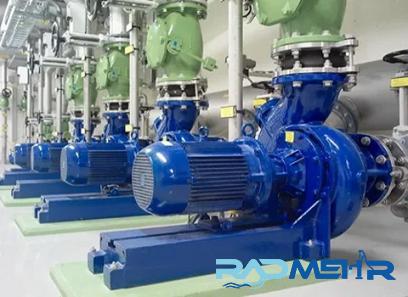
The most common type of pump used in hydraulic systems is the centrifugal pump
The water in it enters through the top of the pump from a reservoir in the center of the impeller
The heart of the system is referred to as the turbine
They come in three varieties: 3
Closed turbine, which offers the best efficiency out of 1
Open turbine, 2
Semi-open turbine, and 3
A series of inwardly curved tubes wedged between two plates make up enclosed wheels
It never leaves the water
The fluid in which the impeller is positioned rotates as soon as the impeller starts to rotate
A centrifugal force is produced on the fluid particles when the fluid starts to circulate
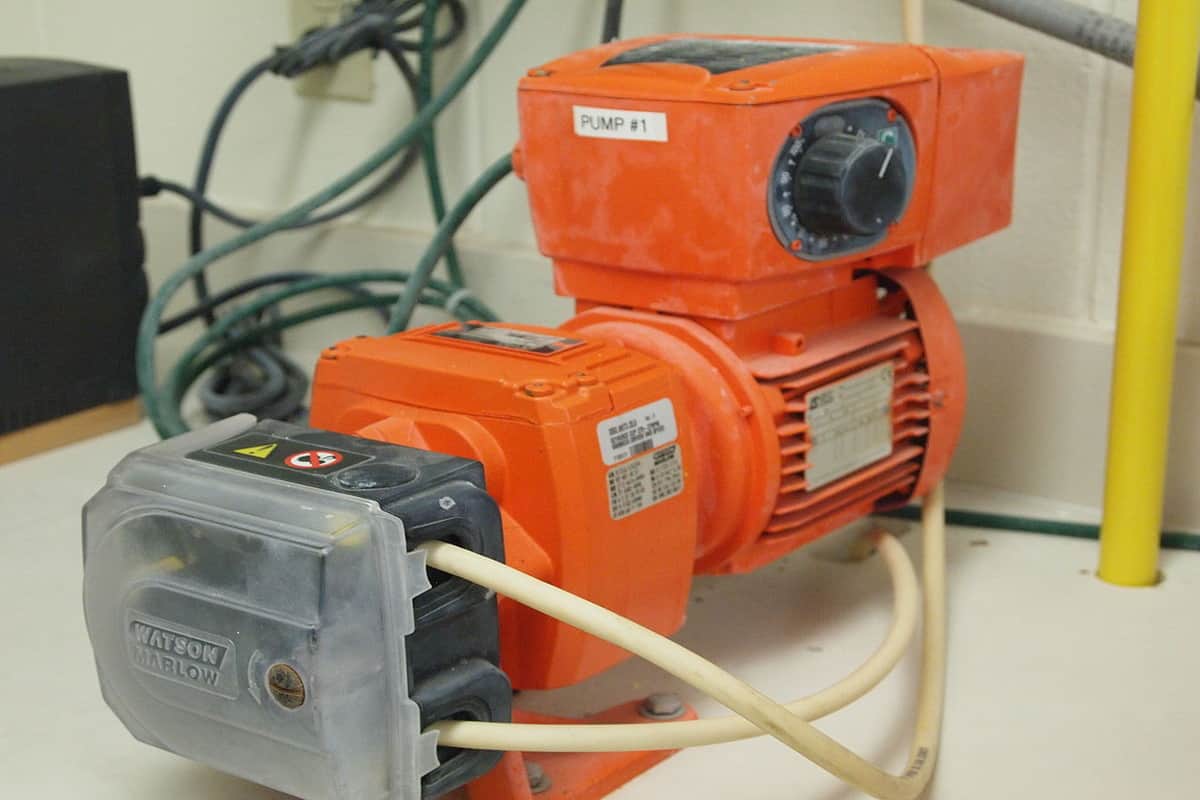
The fluid experiences a rise in pressure and kinetic energy as a result of centrifugal force
The pressure in the inlet nozzle (nozzle) falls when the liquid particles experience centrifugal force
The pressure is considerably less than that of the atmosphere
Such low pressure aids in the tank’s ability to absorb fluids
However, the helicopter’s wheel will be harmed if the nozzle (in the nozzle) is either empty or overfilled with air
For the suction of the tank, there will be substantially less of a difference between the pressure generated in the nozzle and the ambient pressure
if positioned inside the house, the turbine
Thus, the liquid must be present inside the case
The housing is built to pressurize the outlet as much as possible
The case’s maximum diameter or deviation is located at the exit (discharge nozzle), and it gradually lowers as we move inside the diameter
Because speed and pressure are inversely related, as the volume of liquid in the discharge nozzle grows, the speed lowers and the pressure rises
In order to overcome the pumping system’s resistance, it is also required to increase the pressure
Air bubbles will start to form inside the casing if the pressure in the nozzle (in the nozzle) is lower than the liquid’s vapor pressure
Due to the liquid’s beginning to boil and produce bubbles, this circumstance poses a serious risk to the pump
The material in the tyre is ruined when these bubbles impact it
Cavitation is the term for this condition
Reduce the part’s head to raise the pressure in the inlet nozzle (nozzle)
There are several purposes for each of these three wheel kinds
The sort of impeller used depends on how concentrated the liquid is—it may be semi-open or open
But as a result, its effectiveness will decline
The pump’s mechanical design is equally challenging
The motor, which delivers the rotational motion to the wheel, is connected to the wheel by the shaft
Due to the extremely high liquid pressure inside the casing, a proper seal must be set up
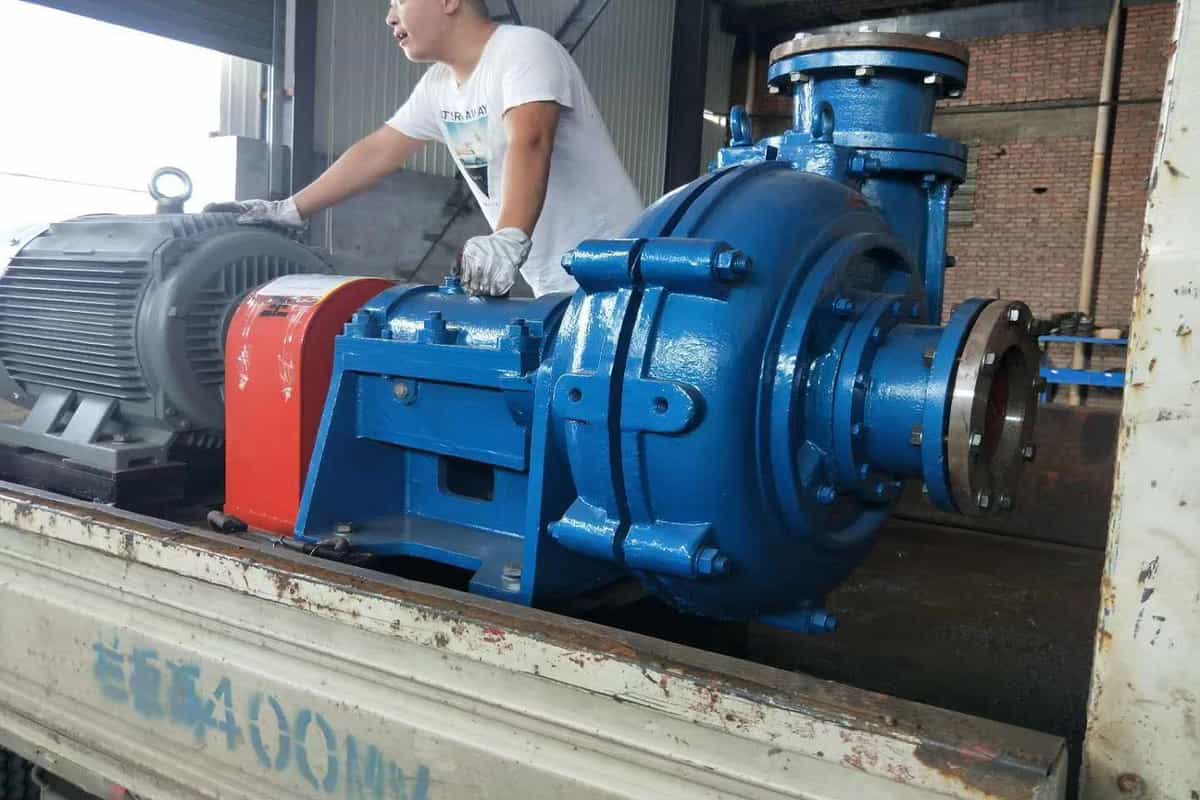
Programs
The following industries frequently employ rotodynamic pumps:
General services: drainage, firefighting, cooling water, and service water
Irrigation, drilling, and drainage in agriculture
Transfer in chemistry and petro chemistry
BTP/BTP: Boiler supply, air conditioning, hot water circulation, overpressure, and evacuation
Transfer “wort,” “wash,” and beer to fermentation for milk
Household hot water
Scales, gas from the friction furnace, and kir cleansing in the manufacturing of metal
Coal washing, ore washing, hauling of sediments, water washing, and hydraulic cleaning
Production of oil and gas: water injection, seawater rise, tanker loading, and oil pipeline
Gas/Oil Processing: Tanker, Crude Oil Supply, Hydrocarbon Transportation
Reactor, Product Pipeline, and Loading
Medium/Low Balance Paper, Wood Chips, Alcohol/Condensate, Letterhead; Paper/Pulp
Large cooling water, ash treatment, flue gas desulfurization, condensate extraction, and boiler feed are all involved in the production of electricity
Candy: Beet pulp, juice, lime juice, and whole beets Waste water includes sand water, settled waste water, and raw waste water
Water supply: obtaining raw water, distributing it, and increasing pressure
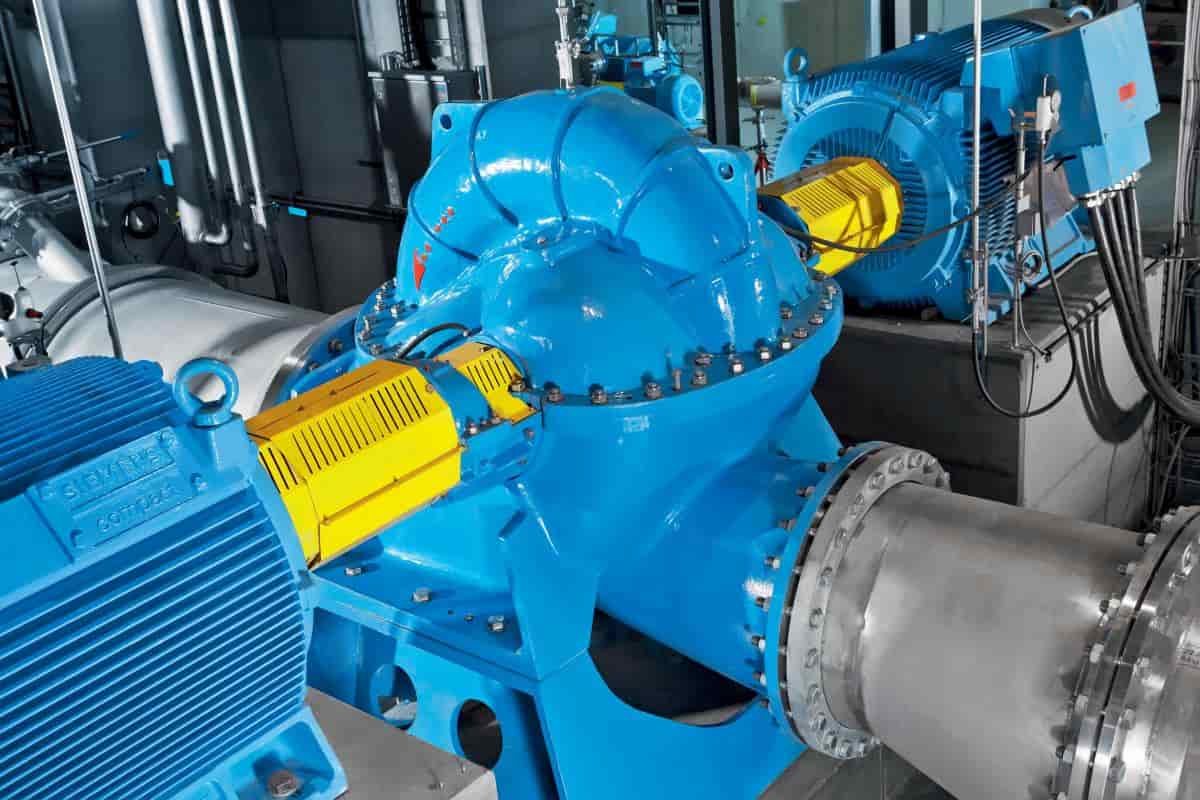
Water Pump Price
A water pump is a device that transfers, compresses, or moves water
Due to their price, jet pumps, centrifugal pumps, gear pumps, peristaltic pumps, gravity pumps, and impulse pumps are a few of the several types of pumps
They are all helpful in a variety of different contexts
Centrifugal water pumps are the most popular type of pumps used in daily life
Water pumps are a necessary tool for many domestic, light commercial, and agricultural purposes, and they can be particularly useful in remote locations
A water pump can be used to irrigate land, drain and fill a swimming pool or dam, or remove water from basements or other flooded places
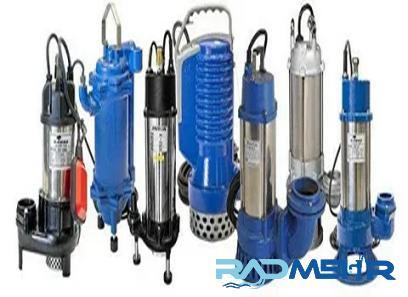
Submersible pumps’ primary purpose is to remove extra water or move water between two places
Positive displacement design types and centrifugal pumps are the two subcategories of water pumps
Water pump with a rotor shaft
These pumps are used to pressurize the discharge flow through the impeller and convey water to the pump
When fluid flow rates are both low and high, it performs very well
Pumps can move any kind of liquid, including those with low viscosities
The following circumstances are typical uses for centrifugal water pumps: Pumping facilities, such as pneumatic systems, and locations where pumps do not need lifts
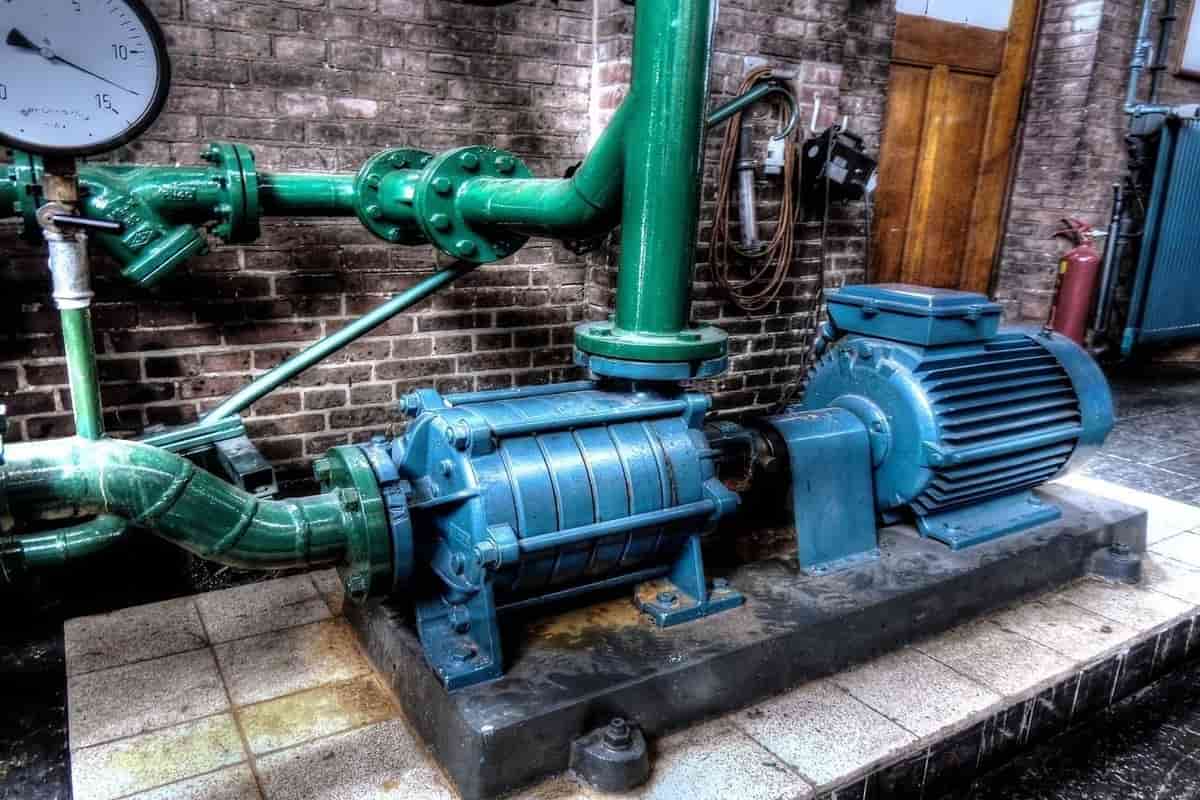
Enhancer program
To augment the pressure from the intake line, a booster pump is employed
Water supply systems use wells
A fire protection system guarantees a steady supply of water
When a low head is necessary, hot water circulation is used to convey water in a closed system
When a float is in control of an automatic switch, water wells or a horizontal or vertical pump are utilized
Design of a positive displacement water pump
These pumps are perfect for a number of sectors that handle sensitive materials and fluids with high viscosities
When the flexible membrane contracts and expands mechanically, it is employed to convey a specific quantity of current
It reduces the need to purge air from lines by removing it from them
Both applications requiring high flow and those requiring moderate flow should use this kind of pump
Other Water Pump Types and Their Uses
Vehicle Water Pump
To control the water flow to the car’s cooling system, a water pump is required
A well pump is a well pump used in a building, be it residential or commercial
Its primary use is to extract groundwater for use in sinks and baths
Pump for Pressure Tank Water
To control water pressure in locations like houses or companies, pressure pumps are employed