
Dynamic pumps and irrigation systems play a crucial role in various industries, agriculture, and domestic settings by efficiently moving water and maintaining proper distribution.
Understanding the principles and functionality of dynamic pumps and irrigation is essential for maximizing their performance and ensuring optimal water resource management.
In this comprehensive guide, we will delve into the intricacies of dynamic pumps and irrigation, exploring their types, applications, key components, and best practices for selection and maintenance.
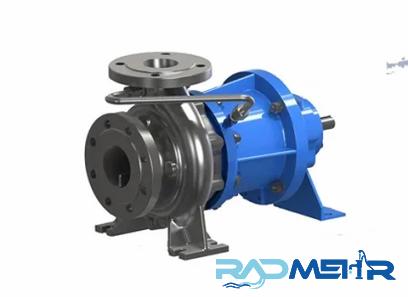
.
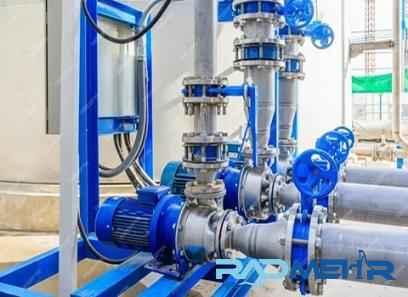 Dynamic pumps and irrigation systems are essential components of water management in various industries and applications, providing efficient water movement and distribution for agricultural, commercial, and residential purposes.
By understanding the principles, types, components, and maintenance practices associated with dynamic pumps and irrigation systems, users can maximize performance, conserve water resources, and achieve sustainable irrigation practices.
Mastering the art of dynamic pumps and irrigation requires knowledge, skill, and attention to detail, but the benefits of efficient water supply and enhanced productivity make it a worthwhile endeavor for all water resource enthusiasts.
Efficient water use is essential for sustainable irrigation practices, as water scarcity and quality issues continue to challenge water resource management.
Implementing water-saving technologies such as drip irrigation, soil moisture sensors, and rainwater harvesting can reduce water consumption, minimize runoff, and optimize plant growth.
By minimizing water waste and maximizing water reuse, sustainable irrigation practices contribute to environmental stewardship and resource preservation.
.
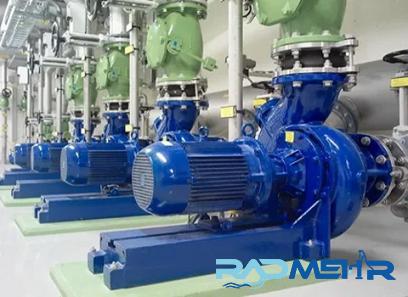 Irrigation systems have the potential to impact ecosystems and natural habitats through water diversion, soil erosion, and chemical runoff.
Implementing best management practices such as integrated pest management, soil conservation, and habitat restoration can help minimize the environmental impact of irrigation systems and promote biodiversity.
By balancing water use with ecosystem preservation, users can support healthy ecosystems, wildlife habitats, and water quality in their surroundings.
Energy consumption in dynamic pumps and irrigation systems can be significant, particularly in large-scale agricultural operations and commercial settings.
To improve energy efficiency, users can invest in energy-efficient pumps, motors, and controls, implement VFDs, and optimize system design and operation.
By reducing energy consumption, users can lower operational costs, reduce greenhouse gas emissions, and promote sustainable energy practices.
.
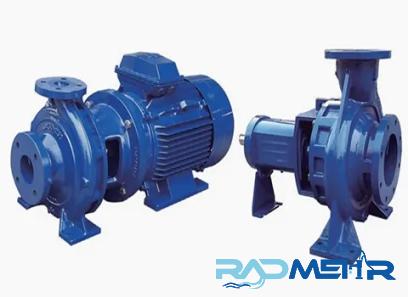 Dynamic pumps and irrigation systems are integral components of water management, agriculture, and environmental sustainability, providing essential services for water supply, distribution, and conservation.
By adopting best practices, embracing technological advancements, and promoting sustainable principles in dynamic pumps and irrigation, users can enhance water efficiency, productivity, and resilience in their operations.
Mastering the art of dynamic pumps and irrigation involves a holistic approach that encompasses knowledge, innovation, and stewardship to ensure a prosperous future for water resources and ecosystems worldwide.

Your comment submitted.