
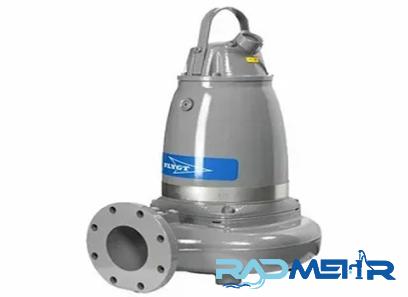
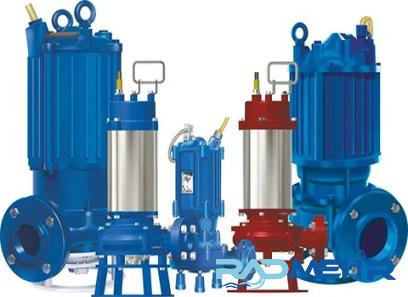
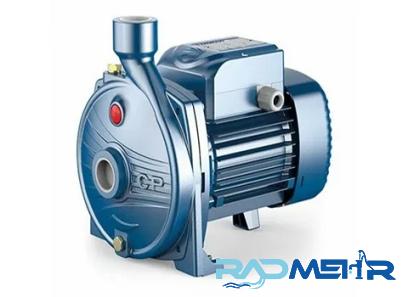
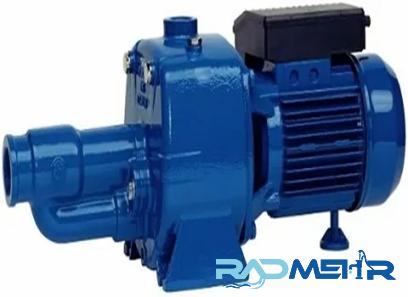
Rotor dynamic pumps, also known as centrifugal pumps, are dynamic devices that utilize rotational motion to transfer fluids.
Unlike positive displacement pumps, which operate by trapping and displacing a fixed volume of fluid, rotor dynamic pumps use impellers to impart kinetic energy to the fluid, increasing its velocity and pressure.
This kinetic energy is then converted into potential energy as the fluid moves through the pump’s volute casing before exiting at a higher pressure than it entered.
.
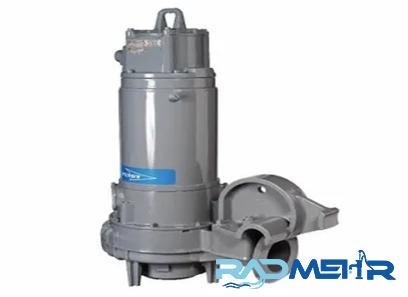 The fundamental principle behind the operation of rotor dynamic pumps lies in the conversion of mechanical energy into fluid energy.
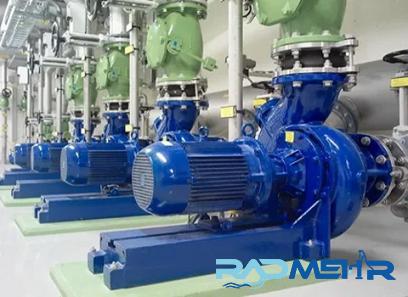
A typical rotor dynamic pump consists of several key components, including an impeller, casing, shaft, bearings, and seal.
When the pump is activated, the impeller rotates at high speeds, drawing fluid into the pump inlet.
As the fluid makes contact with the rotating impeller blades, it is imparted with kinetic energy, causing it to move radially outward and increase in velocity.
The fluid then moves through the pump’s volute casing, where the gradual expansion of the casing converts the fluid’s kinetic energy into pressure energy.
This process, known as centrifugal force, results in an increase in fluid pressure, enabling the pump to deliver the pressurized fluid to its intended destination.
By regulating the speed of the impeller or adjusting the pump’s design parameters, operators can control the flow rate and pressure output of the pump to meet specific process requirements.
.
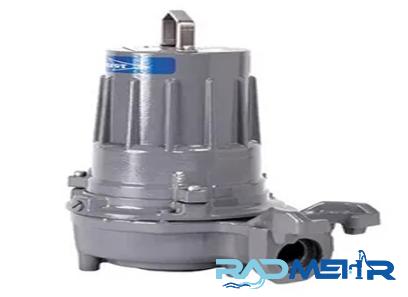 Applications of Rotor Dynamic Pumps:
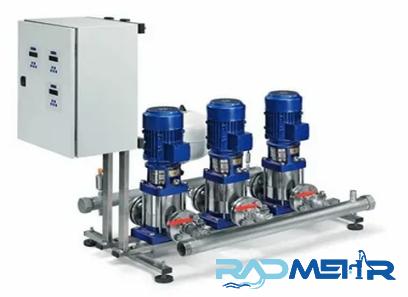
1. Water Supply and Treatment: Rotor dynamic pumps play a vital role in municipal water supply systems, where they are used to transport potable water from treatment plants to distribution networks.
They are also employed in wastewater treatment facilities to facilitate the movement of effluent through various treatment processes.
2. HVAC Systems: In heating, ventilation, and air conditioning (HVAC) systems, rotor dynamic pumps are used to circulate chilled water or hot water through the building’s heating or cooling systems.
These pumps help maintain optimal indoor temperatures and improve energy efficiency in commercial and residential buildings.
3. Chemical Processing: Rotor dynamic pumps find extensive use in the chemical processing industry for transferring a wide range of fluids, including corrosive chemicals, solvents, and acids.
Their robust construction and compatibility with various fluid types make them ideal for demanding chemical transfer applications.
4. Oil and Gas Industry: Within the oil and gas sector, rotor dynamic pumps are utilized for various operations, such as crude oil transfer, refinery processes, and offshore drilling applications.
These pumps are designed to handle abrasive and viscous fluids encountered in oilfield operations, maintaining efficient fluid transfer and processing.
5. Agriculture and Irrigation: Rotor dynamic pumps are employed in agricultural irrigation systems to deliver water from wells, rivers, or reservoirs to fields for crop irrigation.
Their ability to handle varying flow rates and pressures makes them essential for maintaining crop health and maximizing agricultural productivity.
.
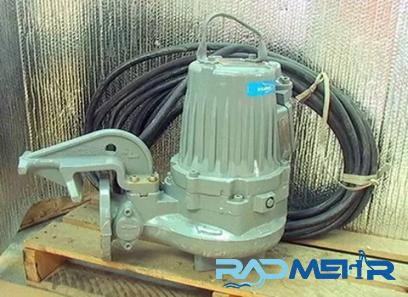 In conclusion, rotor dynamic pumps are indispensable assets in the realm of fluid mechanics, offering unparalleled efficiency, versatility, and reliability in fluid transfer applications.
With their robust construction, wide operating range, and low maintenance requirements, these pumps continue to be the preferred choice for industries seeking optimal performance and cost-effective solutions.
Your comment submitted.