
In the realm of water management and distribution, vertical water pumps play a crucial role in ensuring the efficient transportation of water in a vertical direction.
These pumps are essential for various applications, including agriculture, industrial processes, municipal water supply systems, and more.
In this comprehensive buying guide, we will delve into the world of vertical water pumps, exploring their key features, applications, special conditions for usage, and tips for finding exceptional prices.
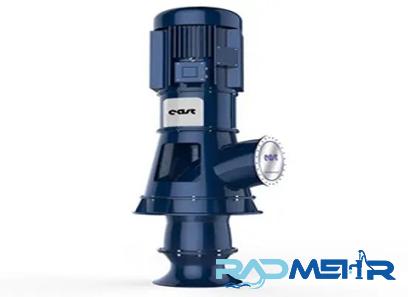
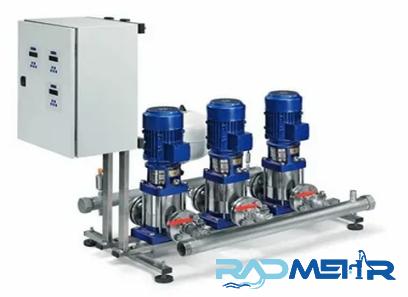
Vertical water pumps, as the name suggests, are designed to pump water in a vertical direction, from underground sources such as wells or reservoirs to the surface or from one level to another.
.
 Types of Vertical Water Pumps:
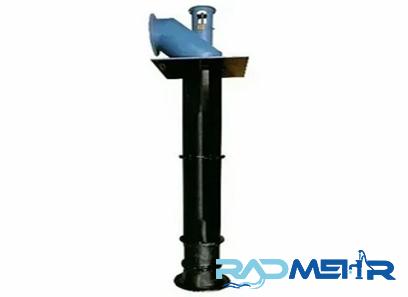
1. Vertical Turbine Pumps: These pumps consist of a vertical shaft with multiple impellers that are submerged in the water.
Vertical turbine pumps are commonly used for deep well applications and can handle high flow rates and pressures.
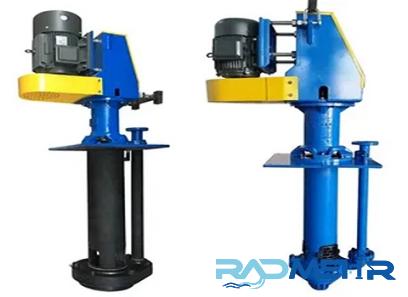
2. Vertical Sump Pumps: These pumps are used to pump water from sumps or pits, typically in industrial settings where water accumulation is a concern.
Vertical sump pumps are designed to handle liquids with solids or debris present.
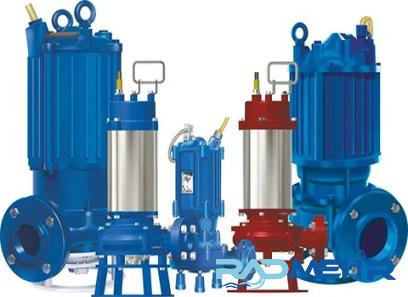
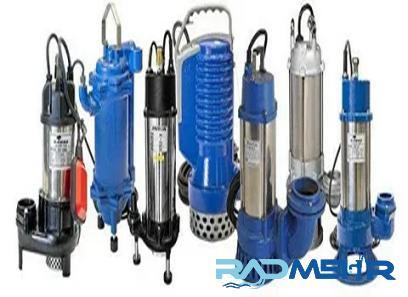
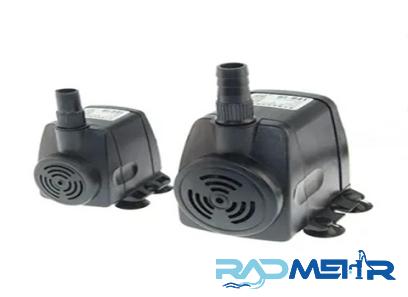
3. Vertical Submersible Pumps: These pumps are fully submerged in the water source and are often used in municipal water supply systems, wastewater treatment plants, and agricultural irrigation.
Submersible pumps are known for their energy efficiency and reliability.
.
 Vertical water pumps are designed to operate in a variety of conditions, but certain factors can impact their performance and longevity.
Here are some special conditions to consider when using vertical water pumps:
1. High-Pressure Applications: In situations where high pressure is required, such as in high-rise buildings or industrial processes, choose vertical pumps that are designed to handle elevated pressure levels.
2. Corrosive Environments: If the water source contains corrosive elements or chemicals, select pumps that are constructed from corrosion-resistant materials to prevent damage and ensure longevity.
3. Abrasive Materials: For applications where the water may contain abrasive particles or solids, opt for pumps that are specifically designed to handle such conditions without clogging or damage.
.
 Vertical water pumps are essential components in various water management applications, providing reliable and efficient water transport in vertical orientations.
By understanding the key features, special conditions for usage, and tips for finding exceptional prices, you can make informed decisions when selecting a vertical water pump for your specific needs.
Whether the requirement is for agricultural irrigation, industrial processes, or municipal water supply systems, choosing the right vertical water pump is essential for achieving optimal performance and cost-effectiveness.
A comprehensive warranty policy and reliable customer support can provide peace of mind and assurance of quality.
Your comment submitted.