
Farmhouse water pumps are an essential component of any agricultural property, providing a reliable source of water for various purposes such as irrigation, livestock watering, and household use.
These pumps come in different types, each with its unique features and benefits.
In this comprehensive guide, we will explore the world of farmhouse water pumps, including their functions, types, maintenance, and installation.
Farmhouse water pumps play a crucial role in ensuring the efficient and sustainable use of water on a farm.
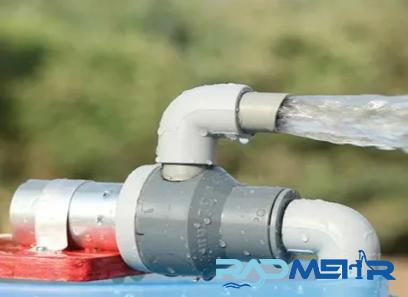
These pumps are used to draw water from underground sources such as wells, boreholes, or springs, and then distribute it to the various areas of the farm where it is needed.
The water can be used for irrigating crops, providing drinking water for livestock, filling ponds or tanks, and even for domestic purposes in some cases.
.
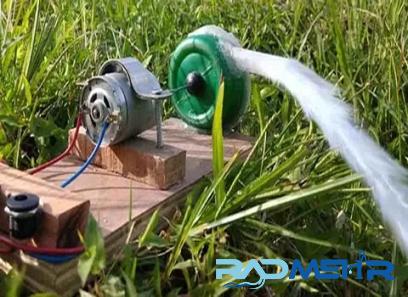 There are several types of farmhouse water pumps available on the market, each designed for specific applications and water sources.
The most common types of farmhouse water pumps include:
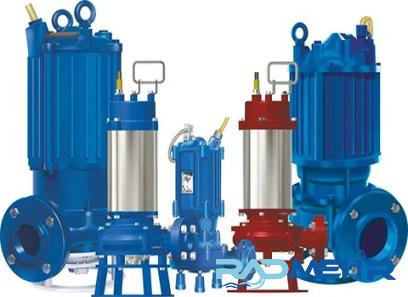
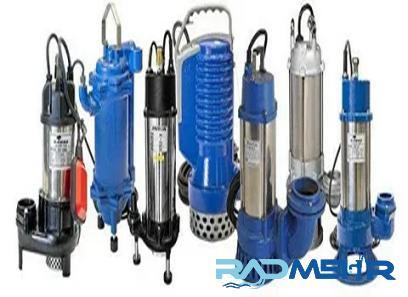
1. Submersible Pumps: These pumps are installed underwater and are designed to push water to the surface.
Submersible pumps are ideal for deep wells and boreholes and are known for their efficiency and durability.
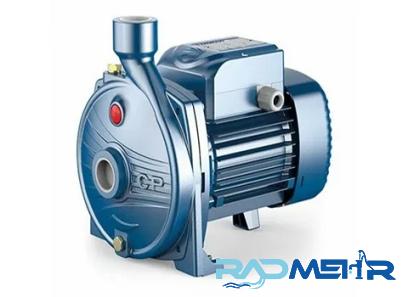
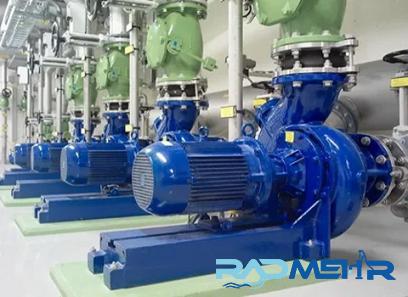
2. Centrifugal Pumps: Centrifugal pumps use centrifugal force to move water through the pump and into the irrigation system.
These pumps are versatile and can handle large volumes of water, making them suitable for irrigation purposes.
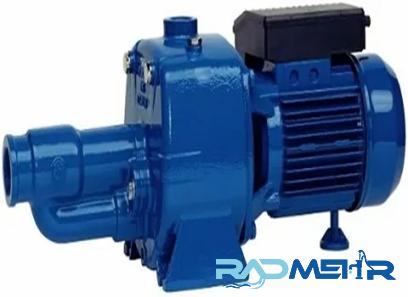
3. Jet Pumps: Jet pumps are typically used for shallow wells or suction-lift applications.
These pumps work by creating a vacuum to draw water up to the surface.
Jet pumps are cost-effective and easy to install.
4. Hand Pumps: Hand pumps are a manual option for pumping water from shallow wells or cisterns.
These pumps are a reliable backup in case of power outages or system failures and are often used in remote areas.
.
 Farmhouse water pumps offer numerous benefits to farmers and property owners, including:
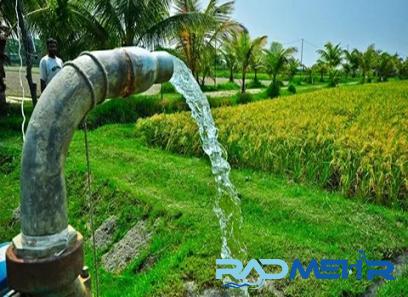
1. Increased Water Accessibility: Farmhouse water pumps provide a reliable and consistent water supply for agricultural operations, reducing dependence on seasonal rainfall or municipal water sources.
2. Improved Crop Yield: Proper irrigation using water pumps ensures that crops receive sufficient water for growth and development, leading to higher yields and better quality produce.
3. Livestock Health: Clean and accessible water from farmhouse pumps is essential for maintaining the health and well-being of livestock, reducing the risk of diseases and dehydration.
4. Cost-Efficiency: Investing in a farmhouse water pump can help reduce water costs in the long run by optimizing water use and minimizing wastage.
.
 Farmhouse water pumps are indispensable tools for modern agriculture, providing a reliable and efficient water supply for various farm operations.
By understanding the functions, types, installation, maintenance, and benefits of farmhouse water pumps, farmers can make informed decisions to optimize water use and enhance agricultural productivity.
Whether you have a small family farm or a large commercial operation, choosing the right farmhouse water pump is crucial for success in modern farming practices.
Your comment submitted.