
In the realm of agriculture, where the success of crops hinges on the availability of water, reliable irrigation systems are paramount.
And at the heart of these systems lies the unsung hero – the agricultural irrigation water pump.
From small-scale farms to vast agricultural landscapes, these pumps play a crucial role in efficiently delivering water to crops, ensuring optimal growth and maximizing yields.
Join us as we delve into the world of agricultural irrigation water pumps, exploring their types, functionality, benefits, and how to choose the right one for your needs.
.
 Types of Agricultural Irrigation Water Pumps:
Agricultural irrigation water pumps come in various types, each designed to cater to specific needs and scenarios.
The three main types of pumps commonly used in agricultural irrigation are centrifugal pumps, submersible pumps, and turbine pumps.
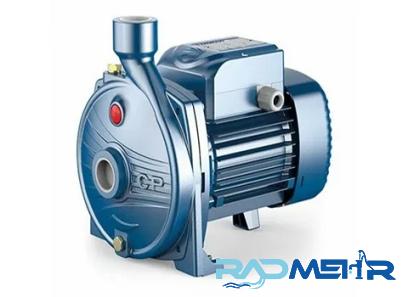
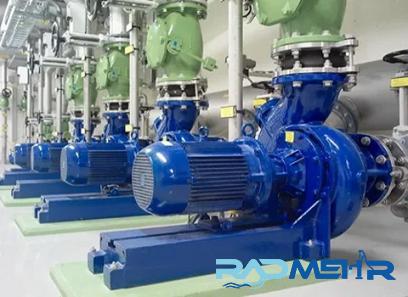
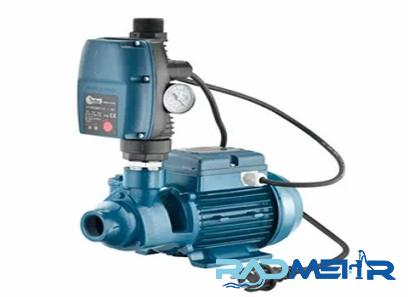
Centrifugal pumps are the most commonly used type in agricultural irrigation due to their versatility and efficiency.
They work by converting rotational energy from an impeller into kinetic energy to move water through the pump.
These pumps are ideal for transferring water over long distances or to elevated areas, making them a popular choice for irrigation systems.
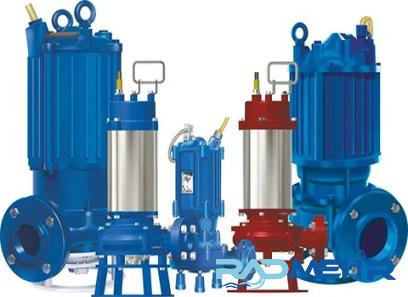
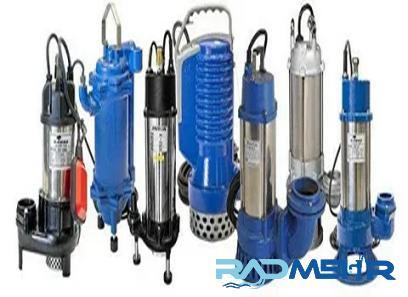
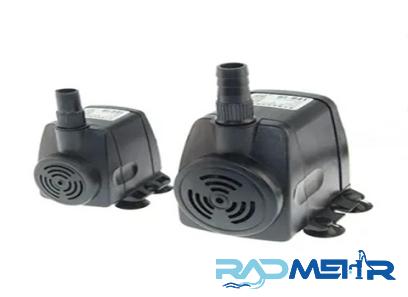
Submersible pumps, as the name suggests, are installed underwater, directly in the water source.
These pumps are highly efficient and low-maintenance, making them suitable for deep well irrigation systems.
They are also known for their quiet operation and ability to handle high flow rates, making them ideal for continuous water delivery to crops.
.
 To help you make an informed decision, here are some key considerations to keep in mind:
1. Water Source: Determine the depth and location of your water source, whether it’s a surface water body, a well, or a reservoir.
This will help you choose between a surface pump or a submersible pump, depending on the accessibility and depth of the water.
2. Water Requirements: Calculate the water demand of your crops based on factors such as crop type, growth stage, climate, and soil type.
This will help you determine the flow rate and pressure requirements of the pump needed to meet your irrigation needs.
3. Land Topography: Consider the layout and elevation of your fields to determine the pumping distance and head lift required.
This will guide you in selecting a pump that can deliver water effectively to all areas of your farm.
4. Pump Efficiency: Look for pumps with high efficiency ratings to minimize energy consumption and operating costs.
Energy-efficient pumps can help you save money in the long run while reducing your carbon footprint.
.
 In conclusion, agricultural irrigation water pumps are essential tools for ensuring optimal crop growth and maximizing yields in farming operations.
By selecting the right pump with complete specifications, you can create an efficient irrigation system that meets the specific water needs of your crops, promotes water conservation, and enhances overall farm productivity.
Your comment submitted.