
Chilled water pumps play a crucial role in HVAC (Heating, Ventilation, and Air Conditioning) systems, providing efficient cooling solutions for various applications.
From commercial buildings to industrial complexes, chilled water pumps are essential components that help maintain comfortable indoor environments.
In this comprehensive guide, we will delve into the world of chilled water pumps, exploring their functionality, types, key components, maintenance tips, and best practices for optimal performance.
Chilled water pumps are specifically designed to circulate chilled water through the HVAC system to absorb heat from the building’s spaces and equipment.
This process helps lower the temperature and maintain a comfortable indoor climate.
The pumps work in conjunction with chillers, cooling towers, and air handlers to facilitate the cooling process efficiently.
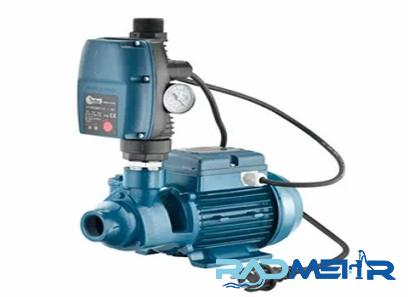
.
 There are several types of chilled water pumps available in the market, each designed for specific applications and performance requirements.
The most common types include:
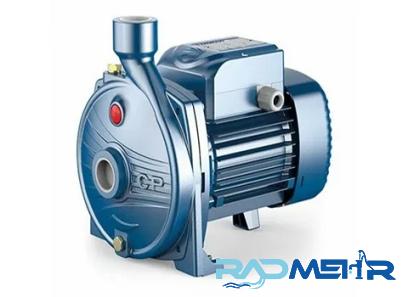
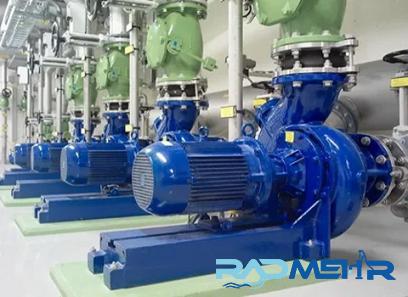
1. Centrifugal Pumps: Centrifugal pumps are widely used in chilled water systems due to their high efficiency and reliability.
They work by converting rotational energy into hydrodynamic energy, which moves the chilled water through the system.
2. Reciprocating Pumps: Reciprocating pumps use pistons or diaphragms to create pressure and move the chilled water.
While they are less common in chilled water systems, they can be suitable for high-pressure applications.
3. Screw Pumps: Screw pumps, also known as positive displacement pumps, are ideal for applications that require a constant flow rate.
They are known for their quiet operation and ability to handle viscous fluids.
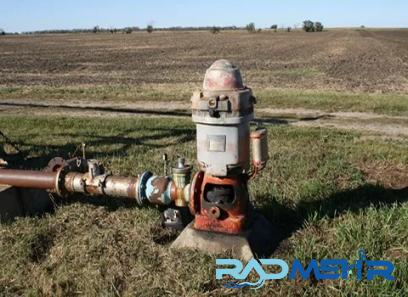
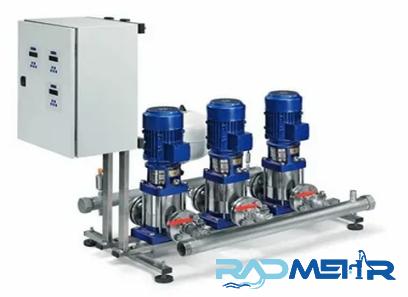
4. Vertical Turbine Pumps: Vertical turbine pumps are commonly used in large-scale applications where high flow rates are required.
They are efficient in circulating chilled water in tall buildings or industrial facilities.
.
 To maximize the performance of chilled water pumps, consider implementing the following best practices:
1. Proper Sizing: Ensure that the chilled water pump is correctly sized for the specific application to avoid energy wastage and inefficiencies.
2. Variable Speed Drives: Consider using variable speed drives to adjust the pump’s speed based on the cooling load, resulting in energy savings and improved performance.
3. Efficiency Upgrades: Upgrading older pumps with more energy-efficient models can lead to significant cost savings and environmental benefits.
4. Automated Controls: Implementing automated controls and monitoring systems can help optimize the operation of chilled water pumps and detect issues early on.
.
 In conclusion, chilled water pumps are indispensable components of HVAC systems, providing efficient cooling solutions for various applications.
By understanding the different types of chilled water pumps, key components, maintenance tips, and best practices for optimal performance, you can ensure the longevity and efficiency of your HVAC system.
Remember to prioritize regular maintenance and monitoring to keep your chilled water pump in top condition and enjoy a comfortable indoor environment year-round. Benefits of Chilled Water Pumps
Your comment submitted.