
Centrifugal water pumps are essential devices used across various industries for transferring water from one place to another.
From residential applications to industrial settings, these pumps play a crucial role in ensuring efficient water flow. In this comprehensive guide, we will delve deep into the world of centrifugal water pumps, covering everything from their basic principles of operation to bulk purchasing options and everything in between.
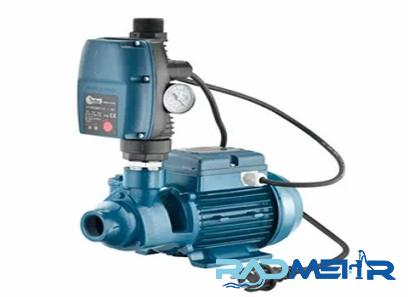
Centrifugal water pumps are a type of dynamic pump that works on the principle of centrifugal force to move water through the pump.
The pump consists of an impeller that rotates at high speeds, creating a centrifugal force that propels the water outward.
This outward flow of water creates a low-pressure zone at the center of the impeller, which draws more water into the pump, thus creating a continuous flow.
.
 Types of Centrifugal Water Pumps There are several types of centrifugal water pumps available in the market, each designed for specific applications.
Some common types include:
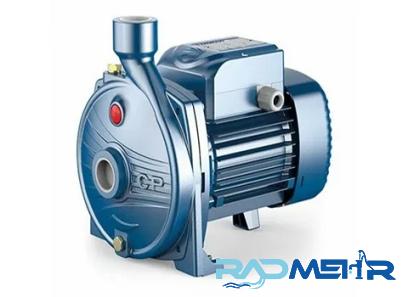
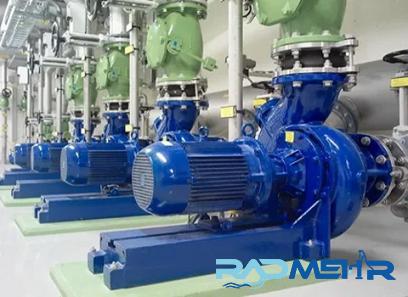
1. Single-stage Centrifugal Pumps: These pumps have a single impeller and are suitable for low to moderate flow rates.
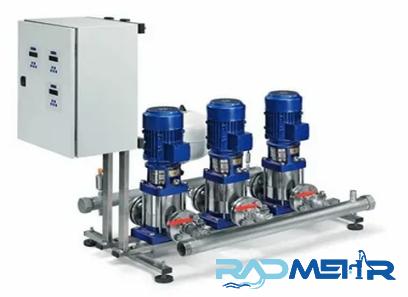
2. Multi-stage Centrifugal Pumps: These pumps have multiple impellers stacked together in series, allowing them to generate higher pressures for applications that require pumping water over long distances.
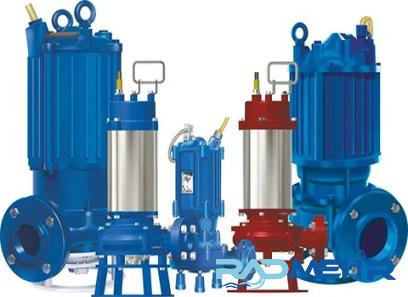
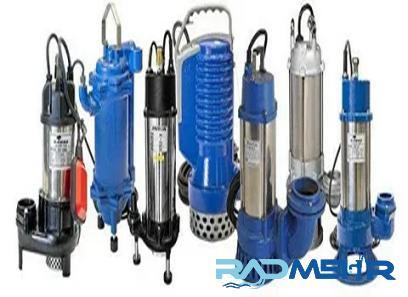
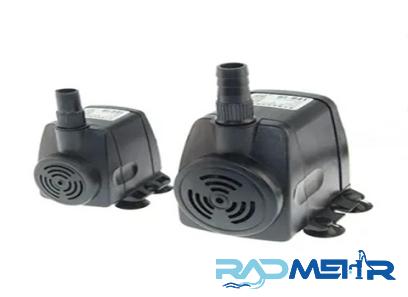
3. Submersible Centrifugal Pumps: These pumps are designed to be submerged in water and are ideal for applications such as drainage, sewage pumping, and groundwater pumping.
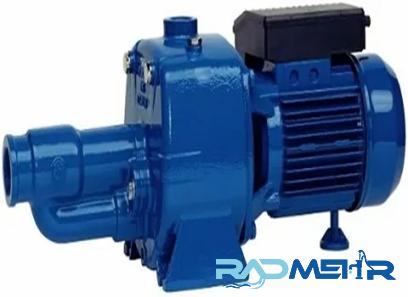
4. Self-priming Centrifugal Pumps: These pumps have the ability to self-prime, meaning they can evacuate air from the suction line and create a vacuum to draw water into the pump.
5. Vertical Centrifugal Pumps: These pumps have a vertical shaft and are commonly used in applications where space is limited.
.
 When selecting a centrifugal water pump for a specific application, there are several factors to consider:
1. Flow Rate: The flow rate of the pump should match the required flow rate of the application.
2. Total Dynamic Head: The total dynamic head is the sum of the static head (vertical distance the water must be pumped) and the friction head (resistance to flow in the piping system).
3. Pump Efficiency: Look for pumps with high efficiency ratings to ensure energy savings and optimal performance.
4. Material of Construction: Consider the material of construction based on the type of liquid being pumped and the environmental conditions.
5. Power Requirements: Ensure that the pump’s power requirements match the available electrical supply.
.
 Centrifugal water pumps are versatile, reliable, and efficient devices that play a critical role in various industries and applications.
Understanding the principles of operation, types of pumps available, and selection criteria is essential for choosing the right pump for a specific application.
For businesses looking to purchase centrifugal water pumps in bulk, careful consideration of factors such as volume discounts, customization options, warranty, and support is crucial for a successful procurement process.
Your comment submitted.