
Farming has been the backbone of civilization for centuries, feeding populations and sustaining economies worldwide.
One crucial element in modern farming practices is agriculture irrigation pumps.
These devices play a vital role in ensuring that crops receive the water they need to grow and thrive, especially in areas with erratic rainfall patterns.
In this comprehensive guide, we will delve into the world of agriculture irrigation pumps, exploring their types, applications, benefits, and tips for optimal usage.
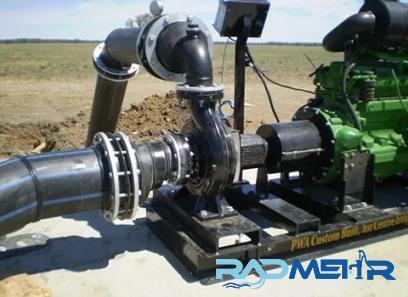
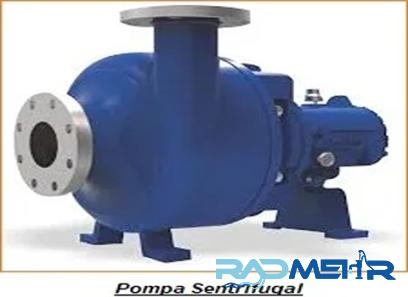
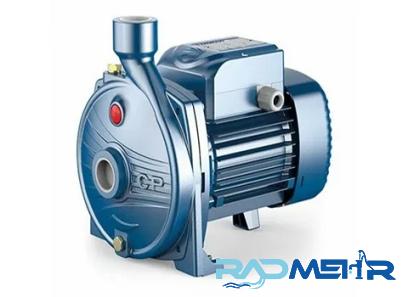
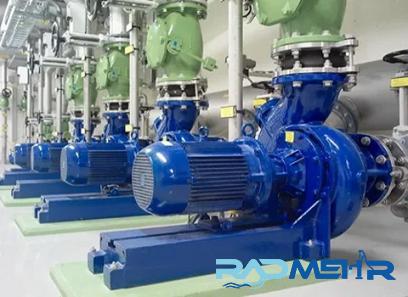
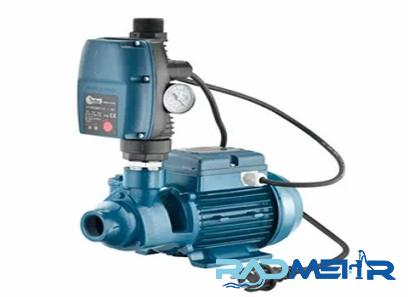
Centrifugal pumps are among the most common types used in agriculture irrigation.
They operate by converting rotational energy from an electric motor or engine into kinetic energy that propels water through the pump and into the irrigation system.
These pumps are known for their simplicity, efficiency, and ability to handle large volumes of water. Centrifugal pumps are suitable for both surface and groundwater irrigation systems.
.
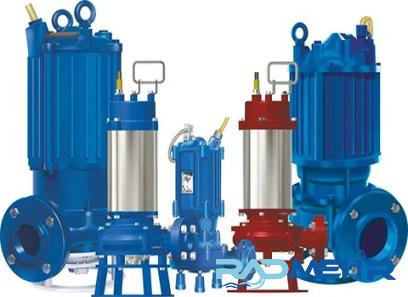
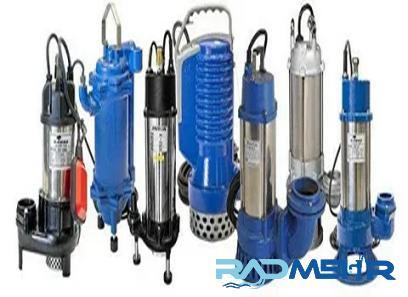
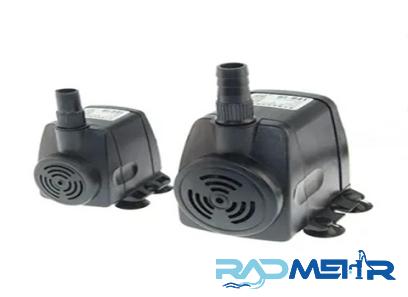
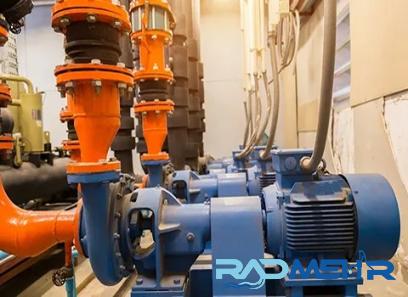 Submersible pumps are designed to be immersed in the water source, such as a well or reservoir.
These pumps are often used in deep well irrigation systems where water needs to be lifted from significant depths.
Submersible pumps are preferred for their quiet operation, energy efficiency, and low maintenance requirements.
They are ideal for high-head applications and can deliver water directly to the surface without the need for additional pumping equipment.
Water quality can impact the efficiency and longevity of your irrigation pump system.
Test the water source for factors like pH levels, sediment content, and chemical contaminants that may affect pump operation.
Install appropriate filtration and water treatment systems to protect your pump from debris, sediment buildup, or corrosive substances. Maintaining clean water supply will help prevent clogging, damage, and reduced pump efficiency.
.
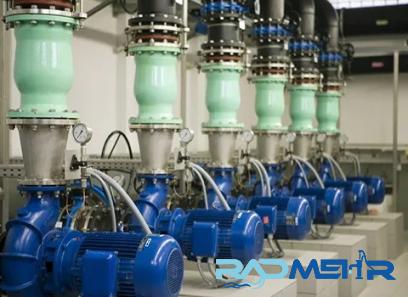 Agriculture irrigation pumps play a crucial role in enhancing overall farm productivity by providing a reliable water supply for irrigation, livestock watering, and other agricultural activities.
These pumps facilitate efficient water distribution across large farmlands, ensuring that every corner of the field receives the necessary moisture for optimal growth.
By investing in quality irrigation pumps, farmers can streamline their operations, increase output, and achieve long-term success in agriculture.
Selecting the right size pump for your irrigation system is essential to ensure efficient water delivery and prevent overworking the pump.
Consider factors such as flow rate, pressure requirements, pipe diameter, and total dynamic head when sizing your pump.
Consult with a pump specialist or agricultural engineer to determine the best pump size for your specific irrigation needs.
.
 In conclusion, agriculture irrigation pumps are essential tools for modern farming practices, enabling efficient water distribution, increased crop yields, and sustainable agricultural production.
By understanding the types, benefits, usage tips, and purchasing considerations related to irrigation pumps, farmers can make informed decisions to enhance their irrigation systems and optimize crop cultivation.
Invest in quality agriculture irrigation pumps to streamline your farm operations, conserve water resources, and achieve success in agriculture.
Your comment submitted.