
A reliable shallow well pump is essential for ensuring a consistent water supply for residential, agricultural, and commercial purposes.
However, encountering a situation where your shallow well pump is not pumping can be frustrating and disruptive.
This comprehensive guide aims to provide you with a thorough understanding of the reasons behind this issue, effective troubleshooting steps, and preventive measures to keep your shallow well pump running smoothly.
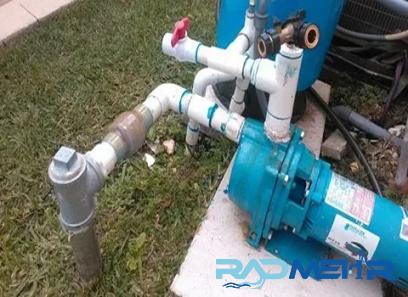
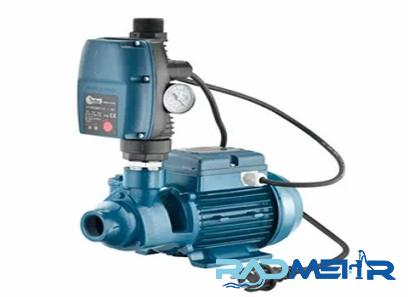
Before delving into the troubleshooting process, it is crucial to grasp the fundamental workings of a shallow well pump.
Shallow well pumps are specifically designed for use in wells with a depth of 25 feet or less.
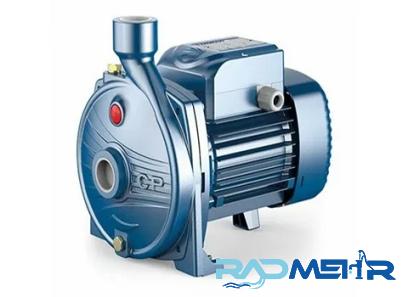
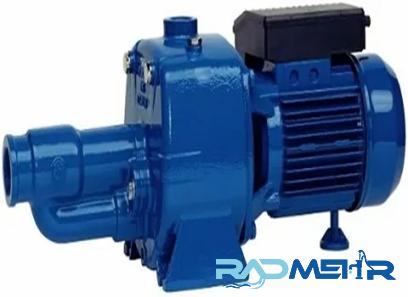
They draw water from near the surface and are typically utilized in residential settings where a constant water supply is required for various tasks such as drinking, irrigation, and household chores.
.
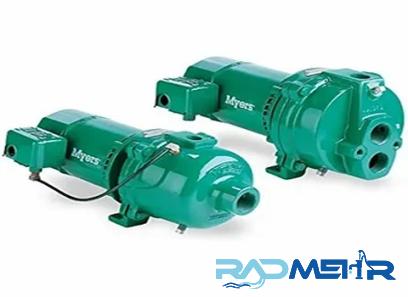 One of the primary reasons why a shallow well pump may fail to pump water is inadequate priming. Priming involves filling the pump and suction pipe with water to create the necessary suction pressure for water extraction.
If the pump is not adequately primed or if there is air leakage in the system, the pump will struggle to draw water effectively.
The intake screen of a shallow well pump is designed to prevent debris and sediment from entering the pump and causing damage.
Over time, the intake screen can become clogged with dirt, sand, or other contaminants, impeding the flow of water into the pump.
This blockage can significantly reduce the pump’s efficiency and result in a lack of water output.
.
 Preventive Measures to Maintain Shallow Well Pump Performance:
1. Regular Maintenance: Implement a routine maintenance schedule to inspect and clean the shallow well pump, intake screen, and suction line.
Remove any debris or sediment that could potentially lead to clogs or blockages. Lubricate moving parts as recommended by the manufacturer to prolong the pump’s lifespan.
2. Monitor Water Levels: Keep track of the water level in the well to ensure that it remains at an adequate depth for the pump to function effectively.
During periods of low rainfall or increased water usage, consider conserving water and reducing unnecessary strain on the pump.
3. Install a Water Level Sensor: Consider installing a water level sensor in the well to monitor water levels automatically.
This technology can alert you to fluctuations in water levels and potential pump issues, allowing for timely intervention and maintenance.
.
 In conclusion, addressing a shallow well pump not pumping requires a systematic approach that involves identifying potential causes, implementing effective troubleshooting steps, and adopting preventive measures to maintain optimal pump performance.
By understanding the inner workings of shallow well pumps, staying vigilant for common issues, and taking proactive steps to address maintenance and repairs, you can enhance the reliability and functionality of your water supply system.
Remember that seeking professional assistance when needed and prioritizing regular maintenance are key factors in ensuring the long-term efficiency of your shallow well pump.
Your comment submitted.