
Large irrigation pumps play a crucial role in agriculture, ensuring the efficient distribution of water to crops in vast farming landscapes.
These powerful pumps are the backbone of modern irrigation systems, allowing farmers to maximize productivity and yield.
In this comprehensive guide, we will delve into the world of large irrigation pumps, exploring their features, benefits, types, and key considerations for selection and maintenance.
Large irrigation pumps are specialized equipment designed to move significant volumes of water from water sources such as reservoirs, rivers, wells, or water bodies to agricultural fields.
These pumps are essential for ensuring uniform water distribution across the entire crop area, especially in large-scale farming operations.
By delivering water with precision and efficiency, large irrigation pumps help optimize crop growth, minimize water wastage, and enhance overall agricultural sustainability.
Types of Large Irrigation Pumps:
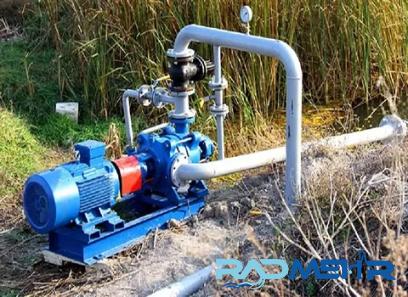
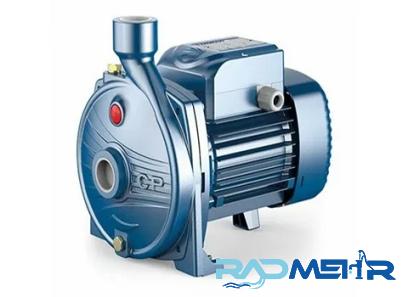
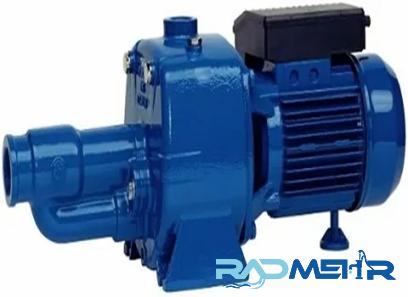
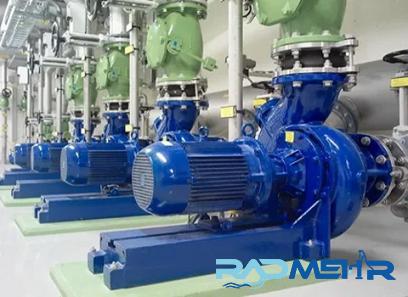
1. Centrifugal Pumps: Centrifugal pumps are the most common type of large irrigation pumps, known for their simple design and robust performance.
These pumps use rotating impellers to create centrifugal force, which pushes water outward, generating the pumping action.
Centrifugal pumps are versatile and can handle a wide range of flow rates and pressures, making them suitable for various irrigation applications.
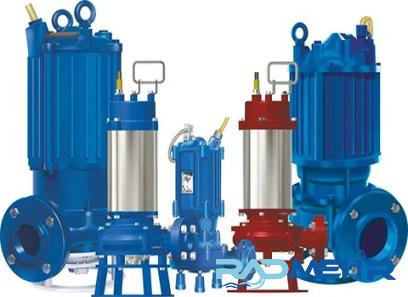
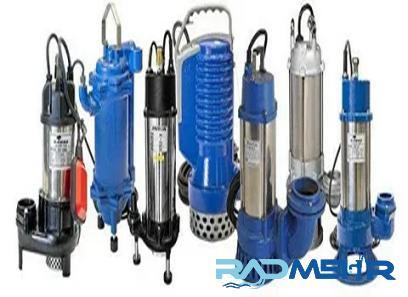
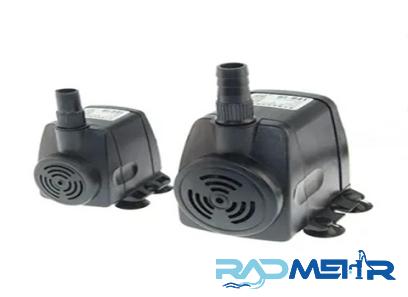
2. Submersible Pumps: Submersible pumps are designed to be submerged in water, typically placed inside the well or reservoir.
These pumps are ideal for deep well irrigation systems, where water needs to be lifted from significant depths.
Submersible pumps are highly efficient, quiet, and low-maintenance, making them a popular choice for large-scale irrigation projects.
Large irrigation pumps are indispensable tools for modern agriculture, enabling farmers to efficiently irrigate vast fields and sustainably manage water resources.
By understanding the features, benefits, types, and selection considerations of large irrigation pumps, farmers can make informed decisions to enhance their irrigation practices and optimize crop production.
With proper maintenance and care, large irrigation pumps can serve as reliable assets that contribute to agricultural productivity, profitability, and environmental stewardship.
Large irrigation pumps have a significant environmental impact, especially in terms of water conservation and energy efficiency.
By using advanced irrigation technologies and practices, such as precision irrigation and automation, farmers can minimize water wastage and energy consumption, leading to reduced environmental footprints.
Large irrigation pumps play a vital role in promoting sustainable agriculture and protecting natural resources for future generations.
Large irrigation pumps are integral components of modern agricultural systems, enabling farmers to efficiently water their crops, enhance productivity, and sustainably manage water resources.
With their powerful capabilities, diverse applications, and benefits in terms of efficiency, scalability, and environmental impact, large irrigation pumps are indispensable assets for large-scale farming operations.
Your comment submitted.