
In the world of well systems, the heart of it all lies in the well pump.
These essential devices are responsible for drawing water up from beneath the ground and delivering it to your home or property.
Whether you rely on a well for your water supply or need to maintain a commercial or agricultural pumping system, investing in a high-quality well pump is essential for reliable and efficient water delivery.
In this comprehensive guide, we will explore everything you need to know about high-quality well pumps, from understanding how they work to factors to consider when purchasing one.
.
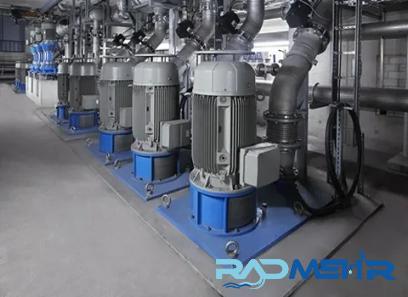 Well pumps are mechanical devices that are designed to extract water from underground sources, such as wells, boreholes, or aquifers.
These pumps work by creating a vacuum that lifts the water to the surface and then pressurizes it for distribution.
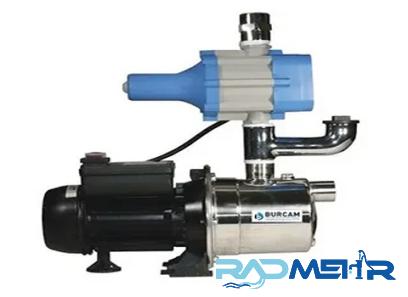
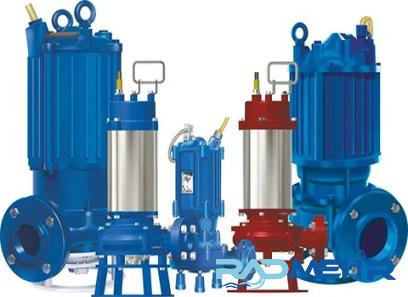
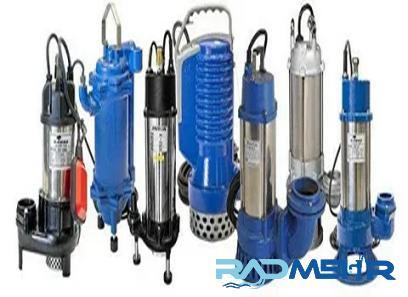
There are several types of well pumps available, including submersible pumps, jet pumps, and centrifugal pumps, each with its own unique features and capabilities.
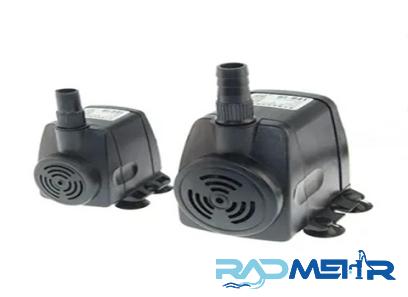
Submersible pumps are among the most common types of well pumps and are installed below water level inside the well casing.
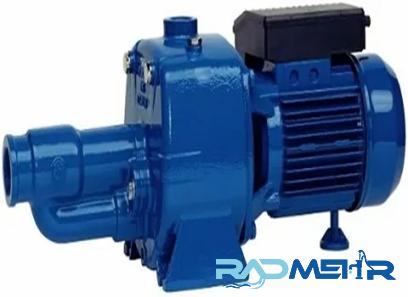
These pumps are highly efficient and can deliver water from great depths with ease. Jet pumps, on the other hand, are surface-mounted and use suction to draw water up from the well.
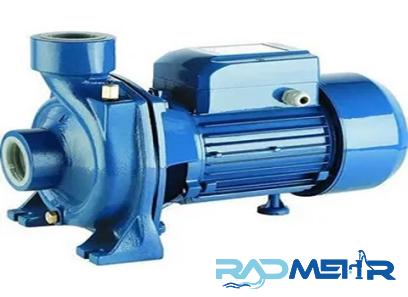
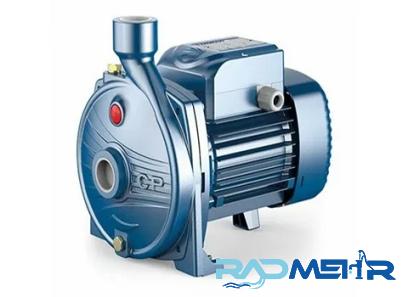
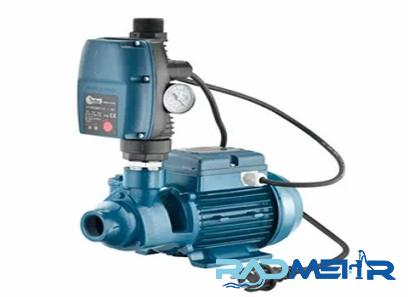
While not as efficient as submersible pumps, jet pumps are often more affordable and easier to maintain. Centrifugal pumps are another option for well systems, using impellers to move water through the pump and out to your property.
.
 There are several benefits to investing in high-quality well pumps for your water system. These benefits include:
1. Reliability: High-quality well pumps are built to last and can provide reliable water delivery for years to come.
This reliability ensures that you have a consistent water supply for your home, farm, or business.
2. Efficiency: Well pumps are designed to maximize water flow and pressure, resulting in efficient water delivery and lower energy costs.
High-quality pumps are more energy-efficient, helping you save money on your utility bills.
3. Low Maintenance: Well pumps that are constructed with high-quality materials require less maintenance and are less likely to break down.
This means fewer repairs and lower maintenance costs over time.
.
 In conclusion, high-quality well pumps are essential components of well systems, providing reliable water delivery for residential, commercial, and agricultural applications.
By understanding how well pumps work, factors to consider when choosing a pump, and the benefits of investing in high-quality pumps, you can make an informed decision when selecting a pump for your system.
Whether you need a submersible pump for a deep well or a jet pump for a shallow well, there are options available to meet your water supply needs.
Consider purchasing well pumps in bulk for cost savings and added convenience, ensuring that your water system remains efficient and dependable.
Your comment submitted.