
Farm water pumps are essential tools that play a crucial role in agricultural operations by efficiently distributing water for irrigation, livestock watering, and various other farming activities.
With the right farm water pump, farmers can ensure a steady and reliable water supply to their crops and livestock, ultimately maximizing productivity and yield.
In this comprehensive guide, we will explore the different types of farm water pumps, their applications, key features to consider when choosing a pump, and tips for maintenance and efficient usage.
.
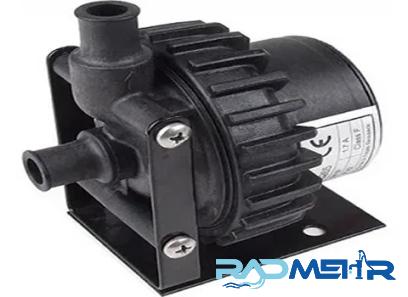 There are various types of farm water pumps available on the market, each designed for specific applications and water sources.
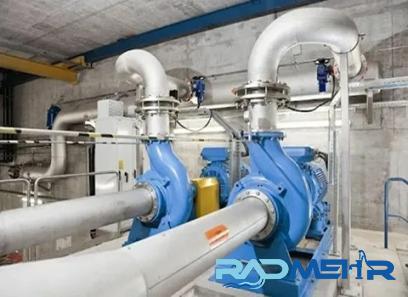
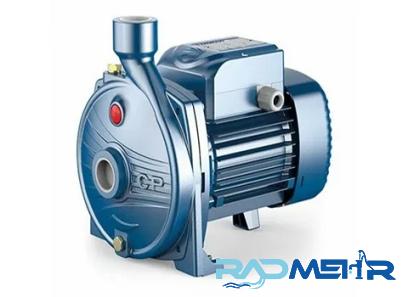
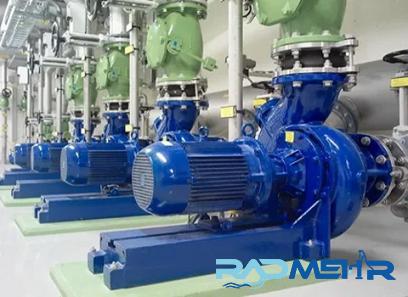
Centrifugal pumps are commonly used in agriculture for their versatility and efficiency in pumping large volumes of water at low to medium pressures.
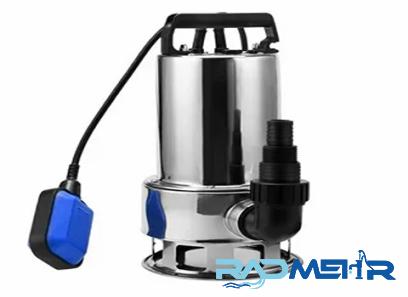
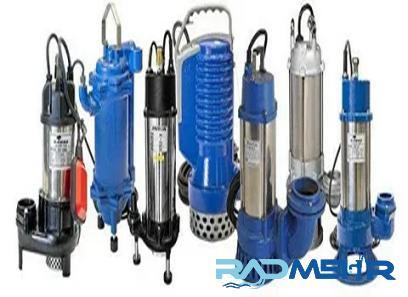
Submersible pumps are ideal for deep well applications, as they can be submerged in water to pump water from greater depths.
Piston pumps, also known as positive displacement pumps, are suitable for high-pressure applications, such as spraying pesticides or fertilizers.
It’s crucial to assess your farm’s water requirements and source before selecting the appropriate type of pump to ensure optimal performance and efficiency.
.
 Farm water pumps are used for a wide range of applications in agriculture, including irrigation, drainage, livestock watering, and spraying.
Irrigation pumps are essential for delivering water to crops efficiently, ensuring proper hydration and optimal growth.
Livestock watering pumps provide a steady supply of water to animals, promoting their health and well-being.
Drainage pumps help manage excess water in fields, preventing waterlogging and soil erosion.
Sprayer pumps are used for applying pesticides, herbicides, and fertilizers to crops, ensuring effective crop protection and nutrition.
By understanding the specific requirements of each application, farmers can choose the right farm water pump to meet their agricultural needs effectively.
.
Bulk purchasing of farm water pumps provides farmers with a cost-effective solution to meet their agricultural water distribution needs efficiently.
By leveraging the benefits of volume discounts, reduced per-unit costs, streamlined procurement processes, and scalability, farmers can optimize their irrigation systems and enhance productivity on their farms.
However, it is essential for farmers to consider factors such as water requirements, quality, compatibility, and cost analysis when making bulk purchases to ensure they select the right pumps that align with their operational goals and budget constraints.
With careful planning and strategic decision-making, bulk purchasing of farm water pumps can contribute to the sustainability and success of agricultural operations, ultimately enhancing crop yields, livestock productivity, and overall farm efficiency.
Your comment submitted.