Are Variable Speed Well Pumps Worth It
Are variable speed well pumps worth it? To know the answer, keep reading
The sump pumps, booster pumps, and pool pumps have variable speeds
Computer controllers, also known as variable frequency drives, or VFDs, are used in these pumps, which are made to keep consumers as far away from their hard-earned money as possible
Numerous governmental organizations, power corporations, engineers, manufacturers, suppliers, and installers participate in the con or themselves fall for the deception
Power companies and governmental organizations want you to think that they are working to save you money and energy
Manufacturers, suppliers, and even some installers are in a hurry to sell you expensive equipment
Because it’s simpler or they don’t know how to correctly build and size the pump system, many engineers prefer to adjust the pump’s speed
Undoubtedly, most people lie about VFDs in order to enrich themselves
These pumps with variable speeds do not use less electricity or wear out more quickly
On the other hand, altering the speed of these kinds of pumps can result in up to a 500% increase in energy consumption per gallon
Similarly, variable speed shortens motor life due to other excessive strains, increases motor heat, and generates excessive vibration
How can these individuals get away with lying, then? The devil, as they say, is in the details
Study the text thoroughly
It is common practice to illustrate a VFD’s energy-saving capabilities by contrasting it with the least effective pump system imaginable
In many publications, it is recommended to remove the relief valve, lower the necessary pressure, or even add a smaller pump to the system
Even though these are the underlying causes of the verified energy reductions, the huge pump’s VFD addition gets all the praise
You cannot imitate a pump stop with so-called “energy-saving meters,” especially for swimming pool pumps
Only 6 to 8 hours a day should a pool pump be in use
If you can’t turn off the pump, you’ll save $2,000 a year with a VFD
However, a VFD slowing down renders the pump unusable
The skimmers do not draw water at very low flow rates, the vacuum does not gather dust, and the filter does not filter
Instead of letting the VFD run slowly all day, switching off a normal pump with a timer saves thousands of dollars every year
Other so-called “energy-saving meters” do not provide the necessary head and pressure to be set
In this method, a 90% decrease in pump speed can result in significant energy savings
The pump can only be slowed down by 10% because it must still produce head or pressure, which results in the pump using more power than a pump of the appropriate size without a VFD
Others notice how the motor amperage decreases as the VFD lowers the RPM
They carelessly overlook the fact that the current declines five times more quickly than the amps, which increases the VFD’s power consumption per gallon by 500%
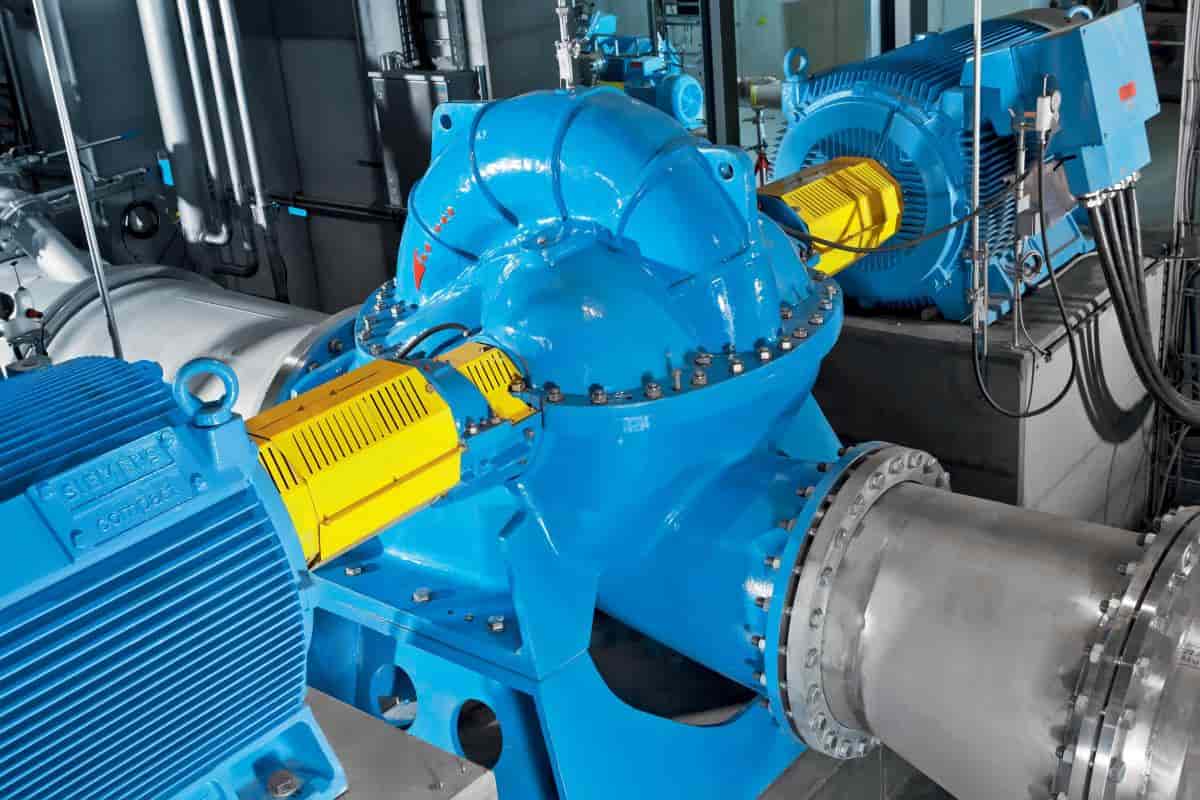
Variable Speed Pumps
The variable speed water pumps industry have undergone significant transformation, just as the automobile sector has with the advent of self-driving vehicles and the usage of alternative fuels
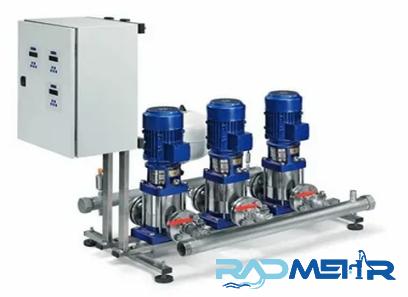
The introduction of sophisticated pump controllers, which track water pressure and modify pump speed in response to water demand, is one of the important changes
Pumps haven’t changed all that much, but pump controllers and control strategies have
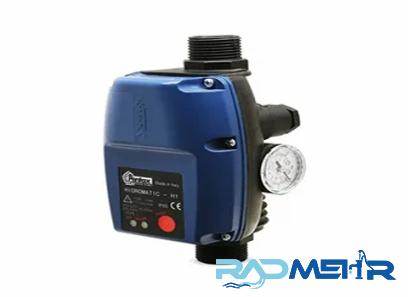
These more recent pump controllers are sometimes known as constant pressure controllers or VFDs (variable frequency drives)
Let’s first describe the conventional technology in use since the 1940s before examining the benefits and drawbacks of this new technology
The pumps were traditionally operated using a big pressure tank and a pressure switch
The pressure vessel stores a significant amount of trapped air, and when the pump is turned on, water is forced into the pressure vessel’s air-filled space
The pressure of the air and water rises when the tank is filled
The submersible pump is shut off when the pressure reaches a certain level
When water is consumed, the pressure decreases, causing the water in the pressure tank to be blown out with compressed air
When the pressure reaches the preset level, the pressure switch activates the pump, which then works at full speed until the pressure tank is reset once filled, the pump stops
Although subtle, the advantages of a constant pressure system should not be disregarded! To assist you with modernizing your pumping equipment, we’ve put up a list
Check out our latest article to learn where to get pumping equipment
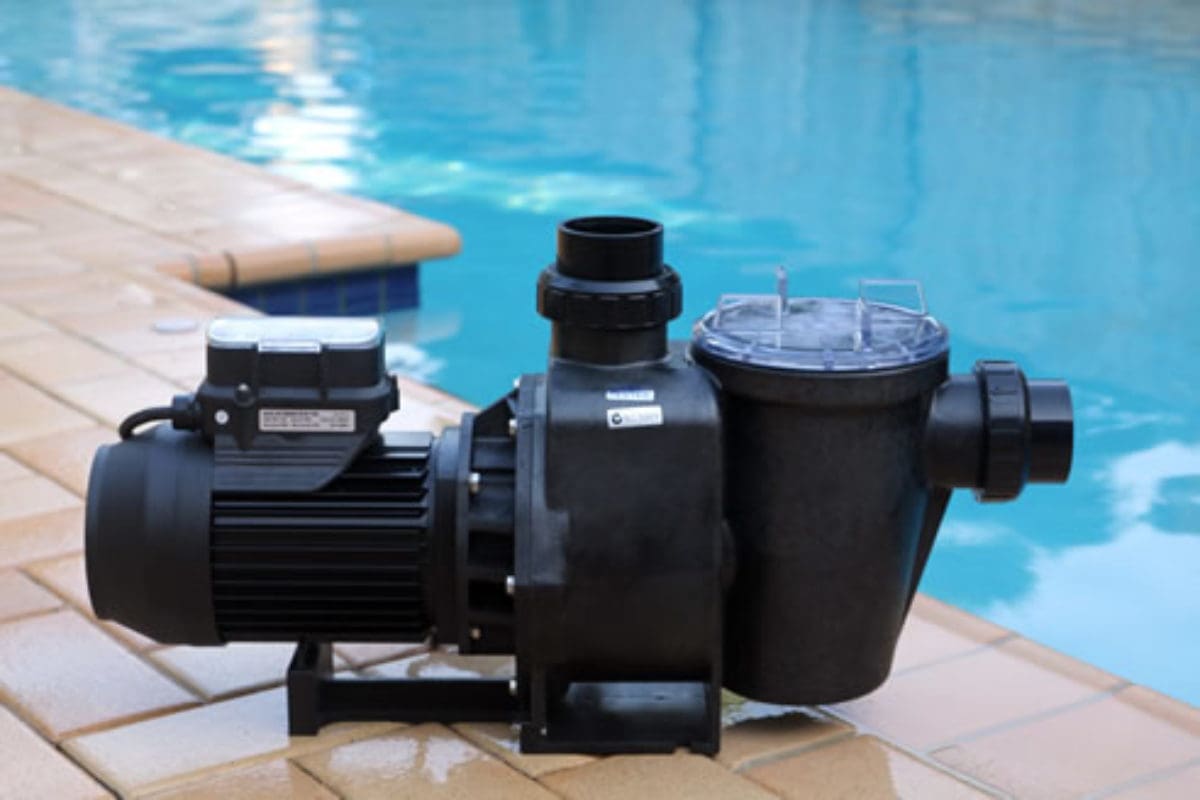
Large pressure vessels or pricey valves are needed for conventionally driven pumps to prevent the pump from starting/running at full speed and then repeatedly stopping
Rapid starting and stopping produces a lot of heat inside the motor, and too much heat might ruin the pump motor
Due to the fast changes in water pressure and flow, this circulation can also harm pipes and other machinery
Rapid cycling is eliminated with a VFD controller because the VFD intelligently alters pump speed to suit your needs
By employing a VFD controller, your well pump won’t run at full speed when using water because it’s doubtful you’ll require all the water it can generate
Less wear is caused by this reduced speed on the motor and pump
Longer pump/motor life results from less wear! Only a tiny pressure vessel is required to serve as a buffer, and VFD controllers continuously monitor pump pressure and speed regulation
This indicates that big pressure containers are no longer necessary, which saves money and space
Smaller wire diameters are required to operate the motor when using a VFD made for three-phase pump motors as opposed to an identical single-phase pump motor
The cost savings from switching to a three phase VFD system can be justified by the high cost of high grade copper wire
Most industries usually agree that three phase motors are less complicated and more dependable than single phase versions
At OPS, we like solutions that can save installation costs while boosting reliability! The VFD has sophisticated features and is intended for use with water pumps
The standard features of today’s modern pump controllers include automatic shutdown/feedback under dry well conditions, pressure vessel or pressure sensor faults, to name a few
Protection from quick circulation or dry wells with conventional pumping calls for extra parts and careful calibration
Constant pressure/VFD controllers have the intriguing advantage of being reliable electrical appliances
They don’t have any electrical switches or open connections, so to speak
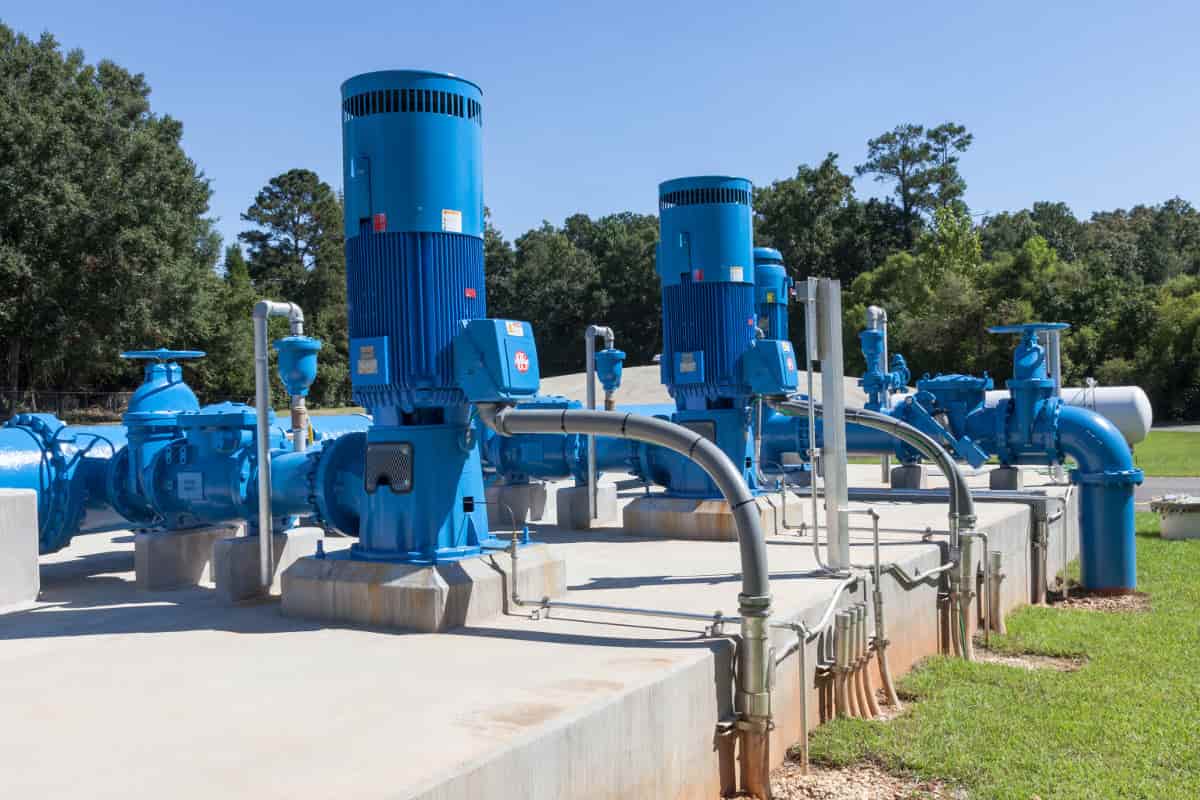
The pressure switches/relays are the primary area of failure in a conventional system
Electrical contacts degrade when exposed to dampness or insects
VFD systems are less prone to these kinds of failures since they do not have this weak link
Numerous clients in rural areas struggle with low voltage, poor quality electricity, and other issues
Numerous clients in rural areas struggle with low voltage, poor quality electricity, and other issues
In essence, variable frequency drives and constant pressure controllers convert AC power into high-voltage DC electricity before converting it back to the appropriate voltage and frequency for the pump
Simply put, this means that even if the utility is providing low-quality power, the costly pump at the bottom of your well will receive clean power when you use a VFD
Keep in mind that while VFDs may handle small power issues, bigger issues should be handled in conjunction with your utility
A technician with extensive training and experience in electricity, wells, and pumps should install a VFD! To achieve optimum performance and lifetime, fundamental knowledge and modifications should be applied
In fact, improper adjusting might cause submersible pumps to fail too soon! Never run a submersible pump motor below 30 Hz/speed since doing so can harm the motor’s hydrodynamic bearings
The technician correctly programs the VFD to take these characteristics into consideration because they are aware of the constraints of the motor/pump and VFD they are working with
You should take into account a VFD’s drawback if you frequently face power interruptions
As was already mentioned, installing or using VFDs or constant pressure units does not call for big pressure vessels
This implies that the reserve water will be critically low when the power goes out
Ask your installer to put in a bigger pressure tank if you think this might lead to issues
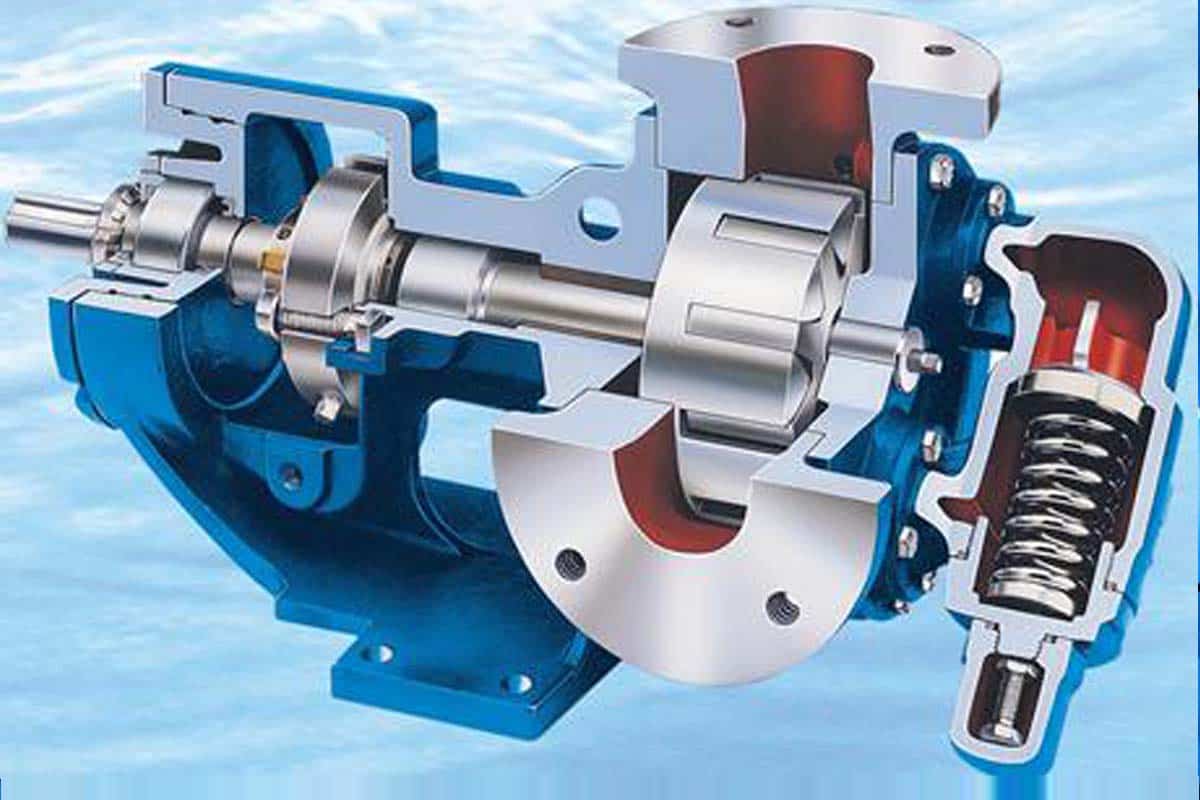
With a VFD system, repair and replacement costs may be significantly greater
The price ranges from $200 to $300 if the pressure switch and control box do not function with a conventional 2 HP pump setup
A 2 HP controller costs around $1200 if your VFD well pump/constant pressure controller has failed
There is excellent news whether you require a completely new system or are rebuilding your pumping equipment
When your well pump breaks down and needs to be pulled from the well for significant repairs, it is most economical to switch to a constant pressure VFD pumping system
The cost of conventional type systems and VFD systems are roughly equal as a result of the cost reductions brought about by smaller pressure containers and reduced cable sizes
Cost-wise, switching to a VFD for your pumping system is not advised unless you just have a straightforward issue with your conventional pumping system including a pressure switch, pressure vessel, or valve box
It is brought up that a VFD can reduce electricity consumption when pumping
Initially, the industry believed that implementing VFD technology would result in energy savings
This is based on the fact that the pumps use less energy and operate at a slower speed
The energy saved during low speed operation is compensated by factors such efficiency losses brought on by VFD power conversion losses and low/inefficient pump operation
In order to comprehend these dynamics better, PAHO carried out real-world comparisons a number of years ago
We planned the study and conducted it over a number of days with comparable pressure and flow characteristics for each
Our findings demonstrated that compared to the conventional manner of operating the pumping equipment, the adoption of a constant pressure controller/VFD does not result in an increase or decrease in power usage
Now, your VFD will save power if it is installed to replace valves installed in your pumping system to limit flow or stop pumping equipment from running too quickly! While the VFD only slows the pump to match the low flow demand, this valve effectively throttles the pressure/flow by confining the water
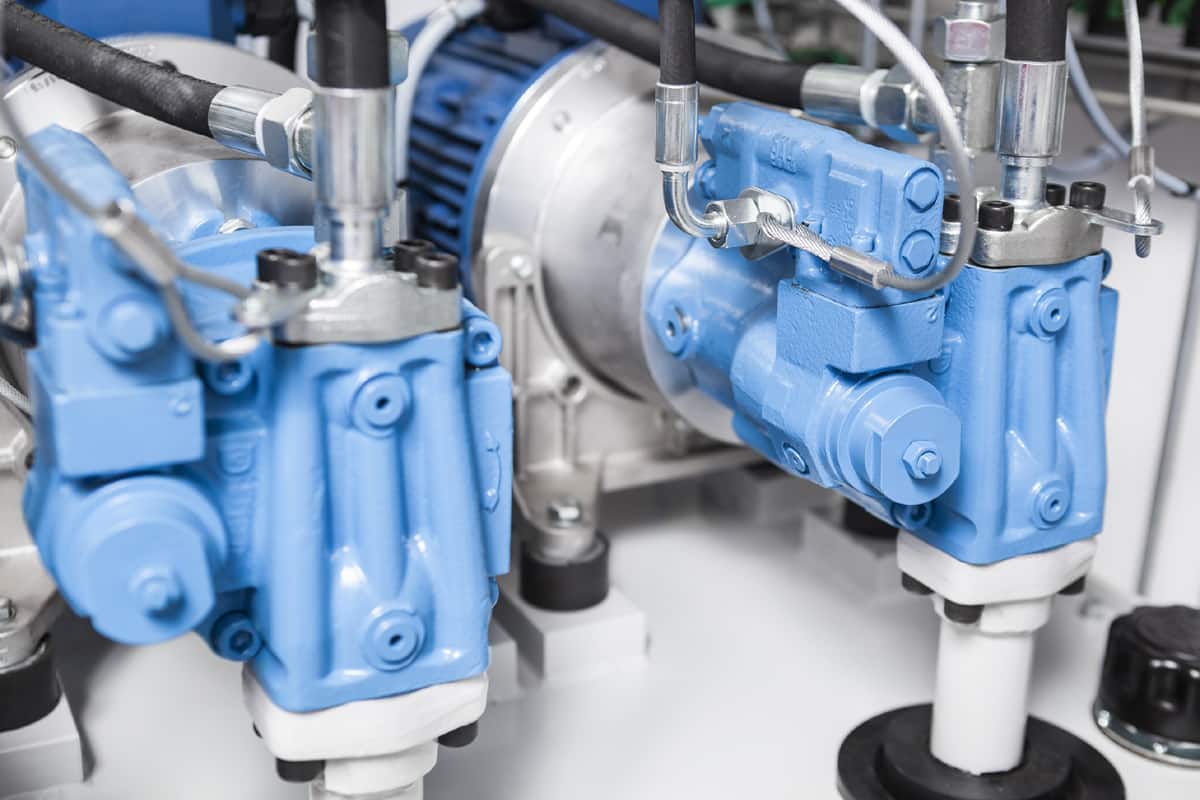
Well Pumps
Water from the well is forced into a storage tank by well pumps, where it remains until you need it
In order to do this, well pumps use a pressure vessel system to deliver water to your home’s plumbing from a tank or storage tank
The air pressure rises as water is added to the tank until it reaches a certain level
When it does, the air pressure forces the water through the plumbing system in your house
The air quality declines as the water in the tank is used, and the pump will restart when the air pressure reaches a particular level
This guarantees that you will always have access to water
Well pumps typically belong to one of two types: jet or submersible
Jet well pumps are positioned above ground and pull water from the ground using a pump motor and hose
Water is pushed to the surface and into an above-ground storage tank by submersible well pumps, which run beneath
Varieties of well pumps
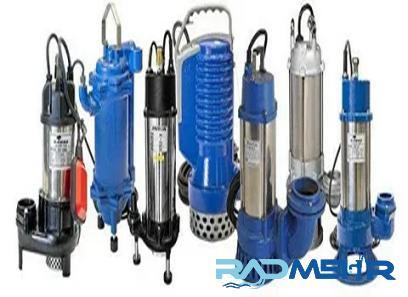
Submersible
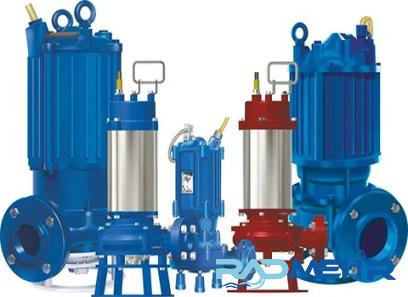
Submersible sump pumps resemble large metal cylinders that are totally submerged in a sump pit, making them one of the most preferred options among homeowners for sump pumps
They utilize the motor to push water up into the above-ground tank from the well
Different depths can be used by submersible well pumps
Therefore, a submersible well pump will still function for you even if you reside in an arid environment where wells can be hundreds of feet deep
Since submersible well pumps use gravity to pump water, it also has no impact on the price of power
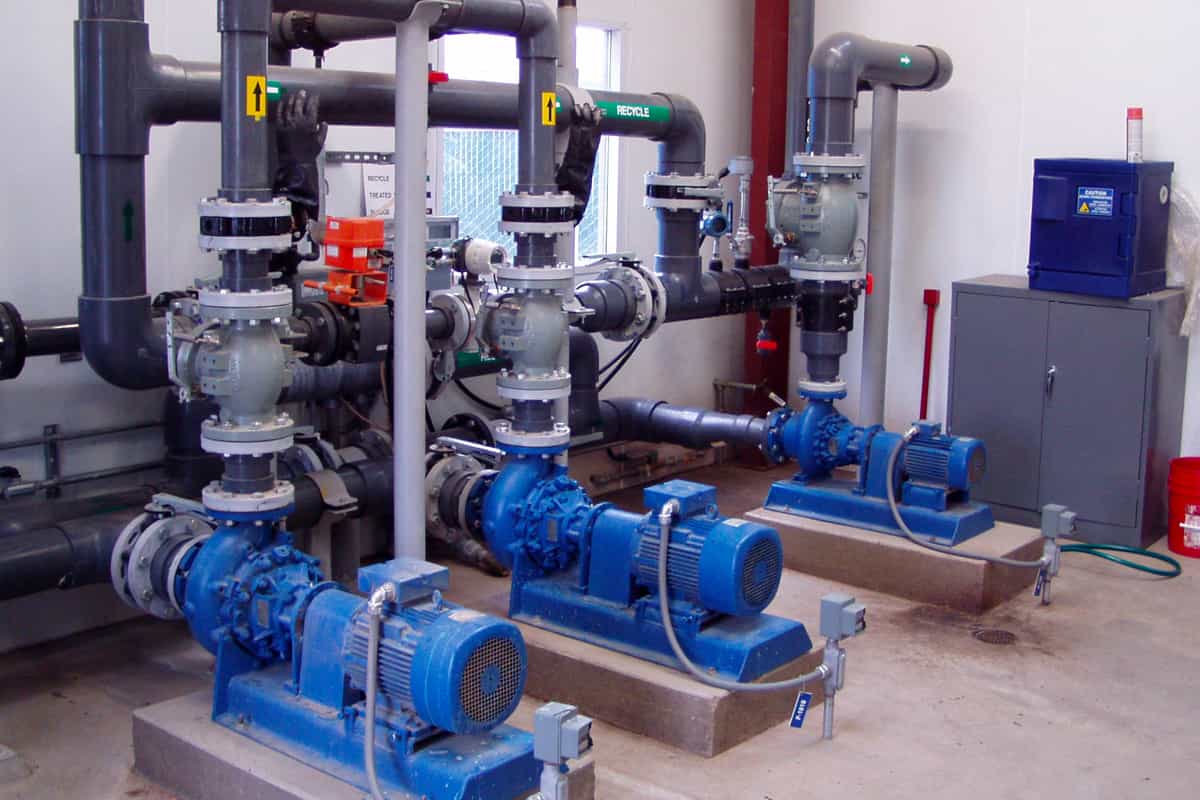
Submersible well pump motors stay cool at all times since they are submerged, which makes them last far longer than other pumps whose motors start quickly
Other types of pumps only last five or six years, whereas submersible pumps can last up to 25 years
Nevertheless, prolonged submersion can harm pumps
Submersible sump pumps have a tight seal around the engine by design
The gasket, however, may rust with time and permit water to get into places where it shouldn’t
Up till it is fixed, a damp engine is worthless
Jet pump
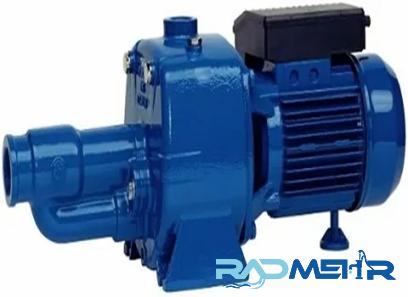
There are two different kinds of jet pumps: shallow well jet pumps and deep well jet pumps
Similar to submersible well pumps, shallow well jet pumps are only effective in wells that are 25 feet or shallower
Since deep well pumps have more power, they can operate in wells up to 100 feet deep
However, because the pump’s motor has to work harder, the deeper the well, the more effective the pump
You may easily access either type of jet pump by positioning it away from the well site as necessary
Due to the high risk of sand damage to jet well pumps, this is helpful when repairs are necessary (be careful if you live in an area with sandy soil)
Jet well pumps are useful for irrigating lawns and gardens as well as supplying well water to your home’s plumbing system
Centrifugal
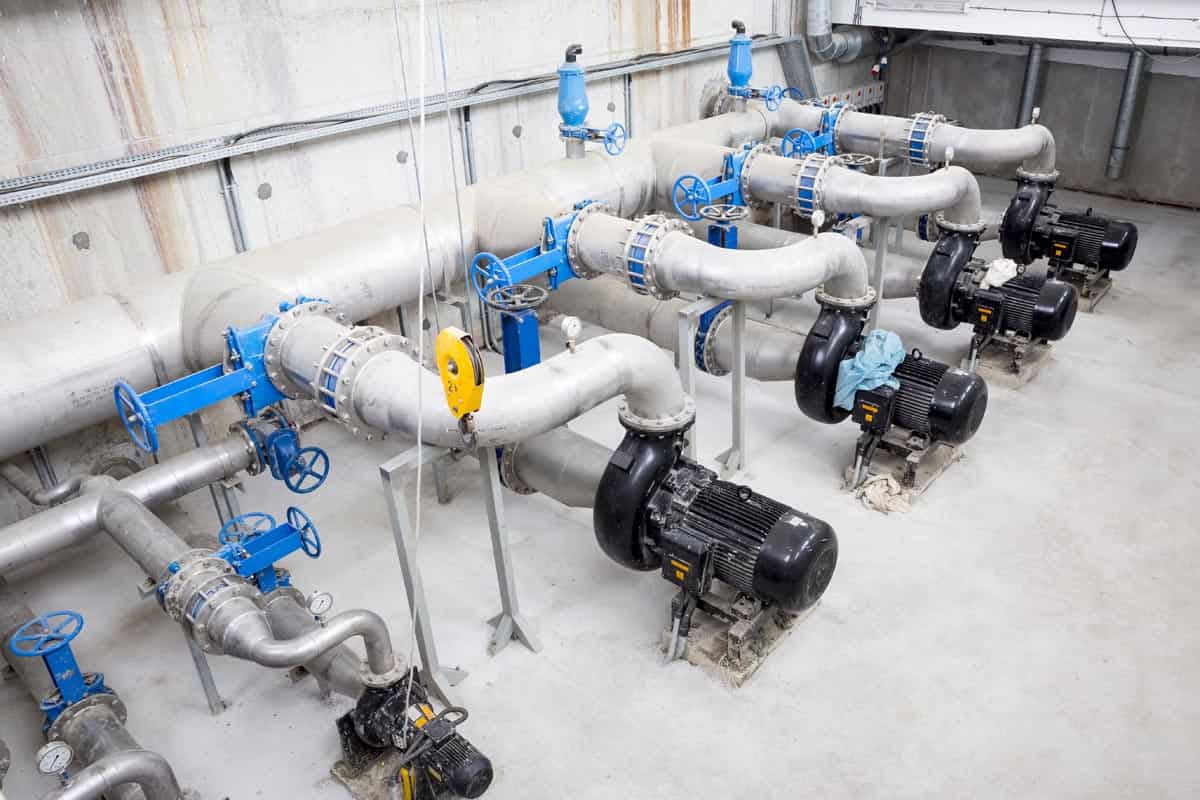
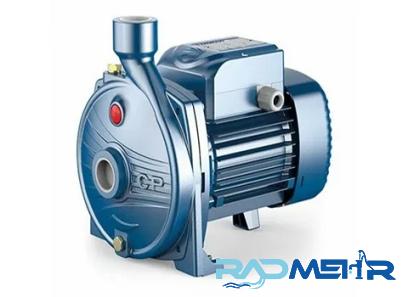
Simple well pumps are centrifugal pumps
They transfer water from one end of the pump to the other using the kinetic energy of the motor
Centrifugal sump pumps lack drive seals, in contrast to submersible sump pumps
This gets rid of the possibility of corrosion and pricey repairs
Due to its lower size compared to other types of sump pumps, centrifugal sump pumps are simple to service when necessary
They are also far less expensive than other types
But the strength they have to absorb water is constrained by their small size
Wells that are no deeper than 25 feet are ideal for them
Hand pump
To pull water from a well and transfer it to a holding tank for use in your home’s plumbing, hand pumps employ a manual lever
Although they are less common than other well pump types, these hand pumps can be used in off-grid setups
Although hand pumps are the least expensive well pump option, using one can be physically taxing