Buy Flexible Impeller Pump + Great Price with Guaranteed Quality
There are a lot of advantages and applications of specific types of positive displacement pumps, which are useful for agricultural purposes, known as flexible impeller pumps
These pumps have an impeller made out of rubber and vanes inside the housing of the pump itself
Because of the way that they are constructed, they are able to manage fluids that are both thin and viscous (up to 50,000 cPs), in addition to solids that are suspended in liquid (up to 25 mm)
They are a highly versatile pump system that offers a range of benefits, particularly for applications involving the transfer of liquids and the filling of containers
When the pump is switched on, the vanes at the inlet collect a predetermined quantity of liquid, and then the fluid is pushed through the pump housing in a forward direction (this is known as positive displacement)
When the fluid reaches the discharge port, the vanes begin to change position once more, which forces the medium to exit the pump
The vanes of the impeller undergo a tiny deformation as they rotate inside the pump casing
This allows the fluid to go from the intake to the output in a continuous, pulse-free flow without experiencing spikes in pressure
The combination of this principle with a gentle pumping action and a high self-priming capability, up to 6 meters from dry, makes these machines excellent for applications including transfer, filling, dosing, and filtration
Each flexible vane pump can be modified in order to fulfill the specific operational requirements of your company
This pertains to the manner in which the pump is constructed as well as the materials that are available for use in the production of the impeller
The fact that a flexible impeller may be attached to a variety of different executions, such as a Trolley Mounted with a number of controls, Geared Motors, or Hydraulically Driven, are one of the most significant advantages of this type of impeller
The function of your pump will determine the kind of materials that are available for the impeller
For instance, a customer who pumps hot acid could need an EPDM impeller, whereas a customer who pumps oil might need an NBR impeller
Both of these impellers are available from most pump manufacturers
You may find a comprehensive list of materials and their uses down below
Shear-sensitive and viscous goods, as well as those with solids suspended in them, are the kinds of materials that are best handled by flexible impeller pumps
The pumps have the capability of handling up to 50,000 cPs, and the maximum size of solids that can travel through them is 25 millimeters
However, the particular maximum solid sizes can be found on the product pages of our website
The capability of the pump head to function in both directions simultaneously is an additional advantage that exemplifies the adaptability of a flexible impeller
The fact that the head can be turned around with the flip of a button on the terminal box of the motor makes the pump an excellent choice for cleaning purposes and for refilling when its use is over
Not only is it possible to switch the direction in which the pump operates, but also the rotation of the pump head can be adjusted to one of five distinct locations
When combined with the fact that the pump head can be rotated through a total of five different positions, a flexible impeller may be fitted into a wide range of piping designs
The motor for the pump can be located either below or above the pump head
Positive displacement pumps can also be known as flexible impeller pumps or flexible vane pumps
Both of these names refer to the same type of pump
The fluid is moved from the suction inlet by the positive displacement family by essentially capturing a certain quantity of the fluid and then forcibly displacing it around the outlet
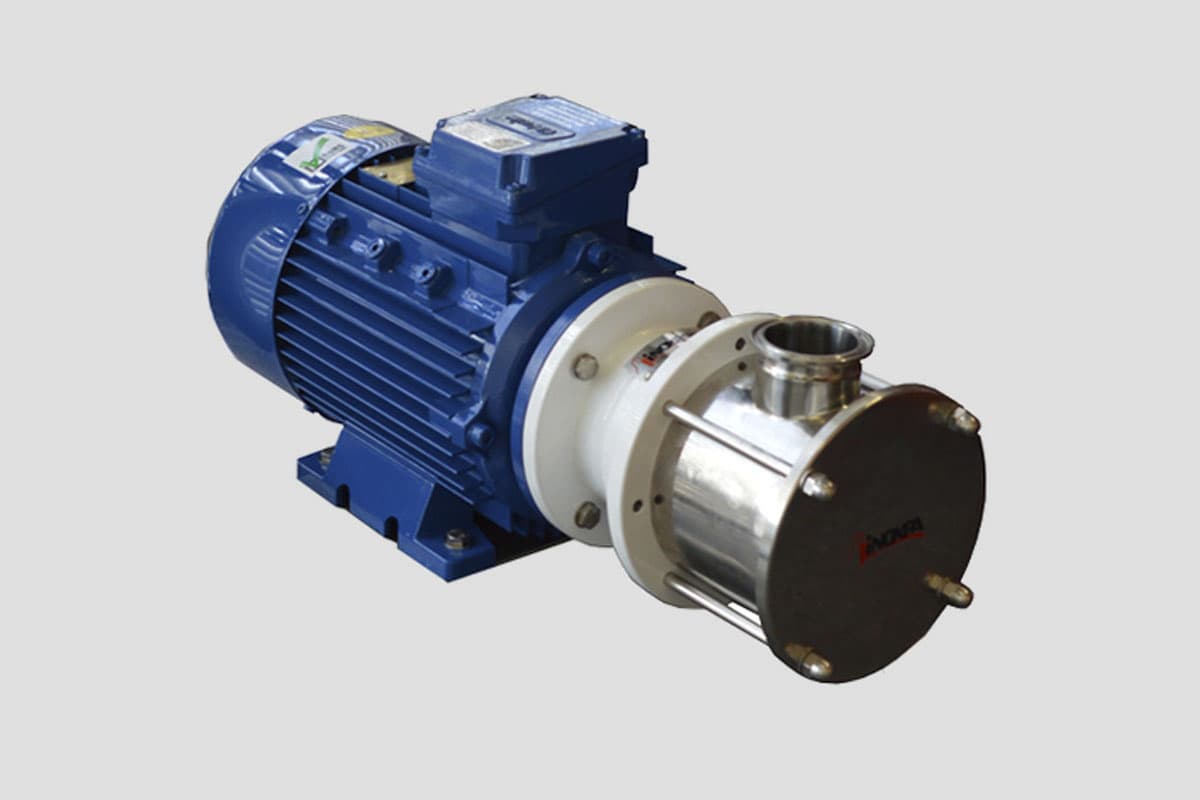
The working mechanism of a flexible impeller pump is comprised of a revolving rubber impeller that has supple vanes attached to it
These vanes are responsible for maintaining contact with the pump’s inner walls
The casing is actually smaller than the vanes
Therefore in order for the vanes to conform to the shape of the pump’s interior walls as the impeller revolves, they have to first bend and then straighten out
The rotation of these vanes creates a vacuum, which forces the fluid to travel in a circular motion from the inlet to the discharge pipe
Because the space between each vane and the pump casing generates its own distinct chamber, the flexible impeller pump head really contains numerous chambers, all of which function in the same way as valves
Because of this, it has the ability to self-prime
Design benefits Fluids of all kinds can be handled by flexible vane pumps thanks to their impellers, which are made from a variety of materials and can therefore be used with a wide variety of liquids
Take, for instance:
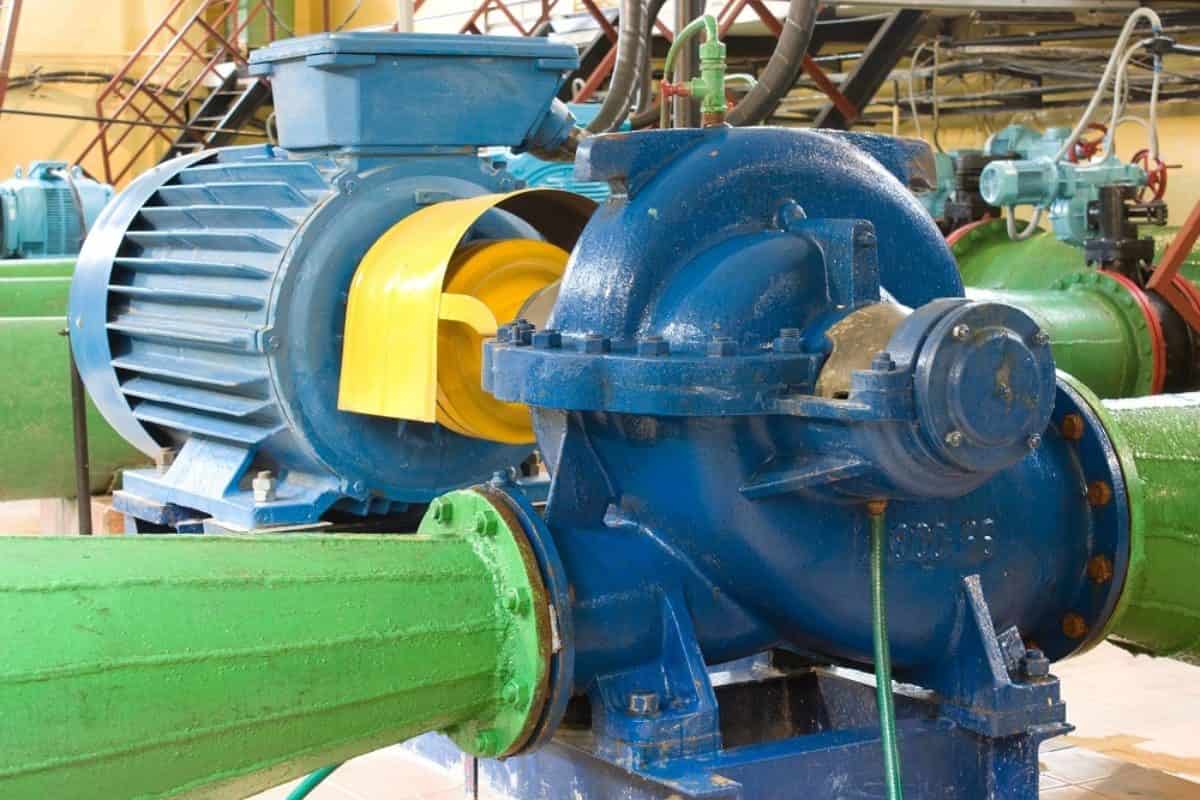
Natural rubber (NR) has the highest possible mechanical resistance when used with water-based fluids
Neoprene (CR) possesses an excellent balance between its resistance to chemical and mechanical stress
Nitrile (NBR) is a material that can be used with meals, fats, fuels, and oils
EPDM is an excellent choice for applications involving foods, hot fluids, clean-in-place conditions, acids, and alkalis
Silicon (VMQ) is the best material for very high temperatures, but it has little resistance to mechanical stress
Flexible vane pumps are able to handle fluids that are viscous as well as those that have a high solid content without sustaining any damage
This is made possible by the impellers, which are comprised of a supple, rubber-like material that is bendable
Flexible impeller pumps are a solution that is relatively inexpensive when compared to other types of pumps that are capable of handling solids in suspension
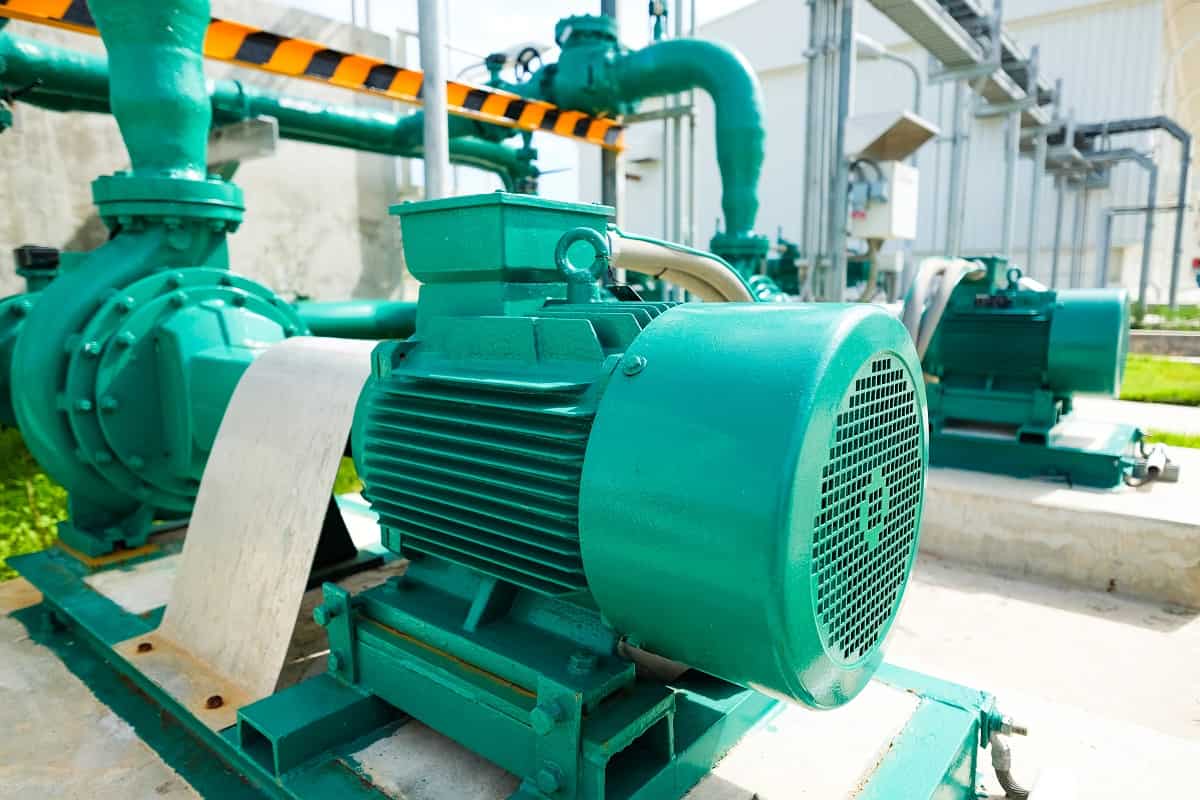
Excellent self-priming capabilities: Flexible impeller pumps are capable of self-priming up to 6 meters from dry because the nature of the vanes allows them to retain a tight seal with the internal pump walls
This allows for excellent self-priming capabilities
This pump design is popular in installations where a good suction lift capacity is required, such as the removal of fluid from sumps and the stripping of tanks, drums, and IBCs, because it does not require a non-return valve or manual priming on installation
Other applications include the removal of fluid from sumps and the stripping of IBCs
Smooth, low-pulsating flow: Because the working principle of the flexible vane pump benefits from a steady pumping mechanism, the flow output is a lot smoother and gentler than it is with other pumps that do not have ad hoc pressure spikes
This is because the flow output is not subject to the same fluctuations in pressure as the inlet
Because of the constant flow rate, it is an excellent choice for applications requiring precision dosing as well as filling and transfer
Reversible operation: Pumps with flexible impellers are able to work in either direction, which implies that the pump itself can control which way the fluid is pushed or pulled
For instance, when the process of transferring liquid has been completed, the pump may return any surplus liquid that has been accumulating in the pipes to the original container
It facilitates the running through of cleaning fluid after use for clean-in-place applications and makes it excellent for applications involving the transfer of fluids from one tank to another
Low shear operation: Flexible vane pumps are able to keep their efficiency and priming ability even when operating at low motor speeds due to the pumps’ capacity to operate with low shear
Since the operation has a low internal velocity as a result of the low RPM and the gentle pumping mechanism, shear sensitive fluids can be handled without any damage being caused to their structure
This is because the operation has a low internal velocity
Food products such as olives, which can be squished when agitated, glues, which can lose their stickiness, and cream, which can get thicker when agitated, are all examples of shear-sensitive fluids
Various mounting positions: Because the pump body can be put in any position, the flexible impeller pump design is adaptable enough to fit in a wide variety of piping configurations
This versatility allows the pump to be used in a variety of applications
The advantage of this is that preexisting installations do not need to be modified to accommodate the pump because it is possible to fit the pump to match the requirements of the pipework that is already in place