Diaphragm Pump Material Selection
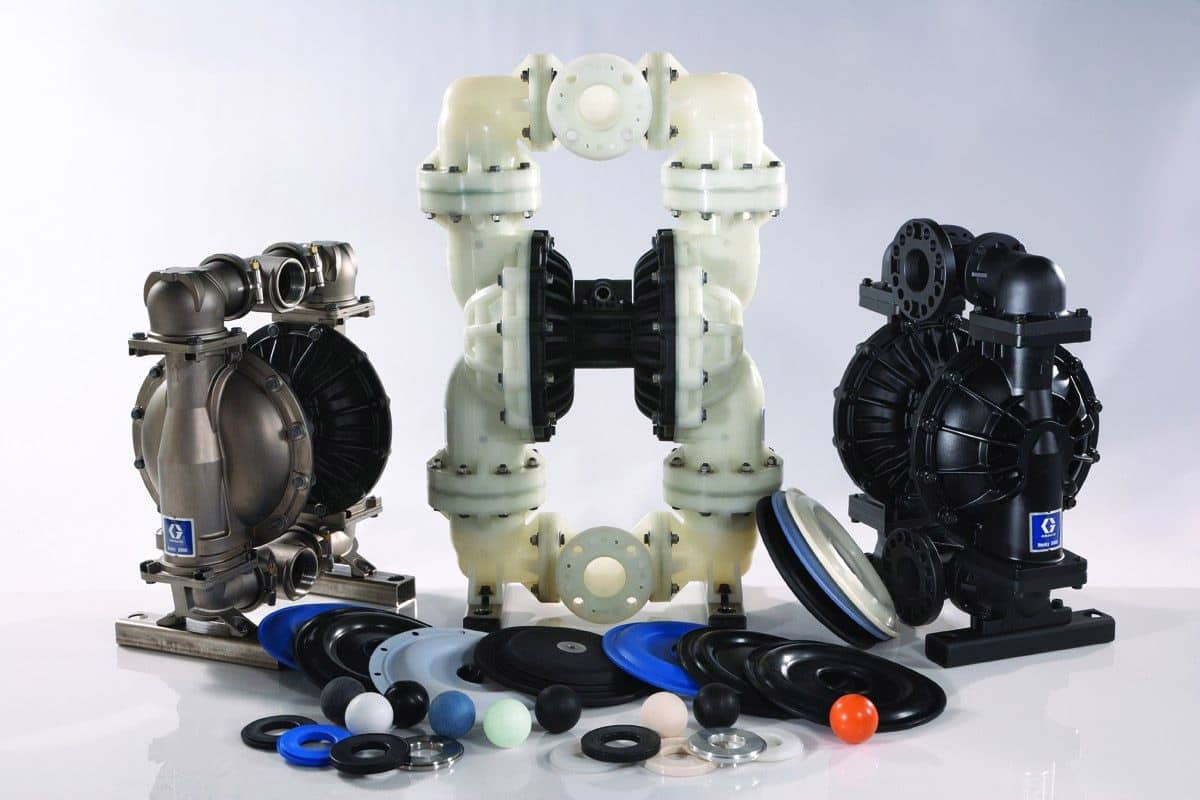
Engineering plastic, aluminum alloy, stainless steel, and cast iron are the four different types of materials that can be selected to make diaphragm pumps
Diaphragm pumps use a variety of different types of rubber, including nitrile rubber, neoprene rubber, fluorine rubber, polytetrafluoroethylene, and poly 46 ethylene
Each of these types of rubber works with air to pump a specific type of liquid
Previous experience is always a very useful guide when selecting diaphragms for air-operated double diaphragm (AODD) pumps
However, new applications frequently require that the appropriate diaphragm be selected in order to meet the requirements and settings that are particular to the application in question
In order to accomplish this goal, you will need to seek research and counsel from outside sources
When selecting a diaphragm, one ought to have seven primary considerations in mind
Chemical resistance, which refers to the compatibility of the material with the liquid that is being pumped
The spectrum of pumped fluids ranges from water through abrasive acids and caustic chemicals
Water is typically at the beginning of the list
The compatibility of each membrane material with a variety of substances is determined by testing
The evidence that has been published about the chemical compatibility of pumped fluids should be evaluated by operators
Temperature range: the capacity to maintain flexibility even when temperatures are low and to maintain stability even when temperatures are high
Temperature has a very significant role, and the range of acceptable temperatures for materials used in membranes can be rather variable
The range of temperatures at which a material is usable can also be impacted by the type of liquid being used
Resistance to corrosion refers to the ability to withstand abrasion and friction caused by contact with minerals and particles that are present in the fluid that is being pumped
It is possible to find membranes that can process a wide range of fluids, including light to heavy slurries as well as dry bulk pumps
Sanitary standard: the requirement that the diaphragm complies with whatever sanitary or hygienic standards are in effect
Films must be compliant with the US Food and Drug Administration (FDA) regulation known as 21 CFR 177 in order to be used in applications related to the food and beverage sector
The United States Pharmacopeia (USP) Class VI requirements need to be met by any film used in the pharmaceutical sector
Inlet conditions, also known as submerged suction and lift suction, refer to the capacity to pump fluids from one location to another
In a variety of setups and pumping situations, certain membrane materials perform better than others in terms of both efficiency and durability
Advice from outside specialists, such as those offered by Wilden distributors, might be helpful when deciding which material is best suited for a particular application
Flex Life is the expected length of time that the diaphragm can function before it needs to be replaced
When choosing a diaphragm, it is essential to have as a primary objective the maximization of the mean time between repairs (MTBR)
However, even under perfect conditions, there are some materials that naturally have an elastic life that is shorter than that of other materials
Expenses: The total cost of ownership is based on a number of criteria, including the initial price, the rated life of the application, the amount of downtime, and the amount of labor expenditures for replacing the membrane
Because there are so many different factors at play, receiving guidance from an experienced outside distributor can be very beneficial in picking the choice that will serve your specific application in the best possible way while also being the most cost-effective
The working principle of the double diaphragm pump is based on the air compressor
The air compressor is responsible for pushing the compressed air into the distribution valve of the diaphragm pump, driving the connecting shaft of the intermediate body of the diaphragm pump, and driving the diaphragm of the volume of the diaphragm pump
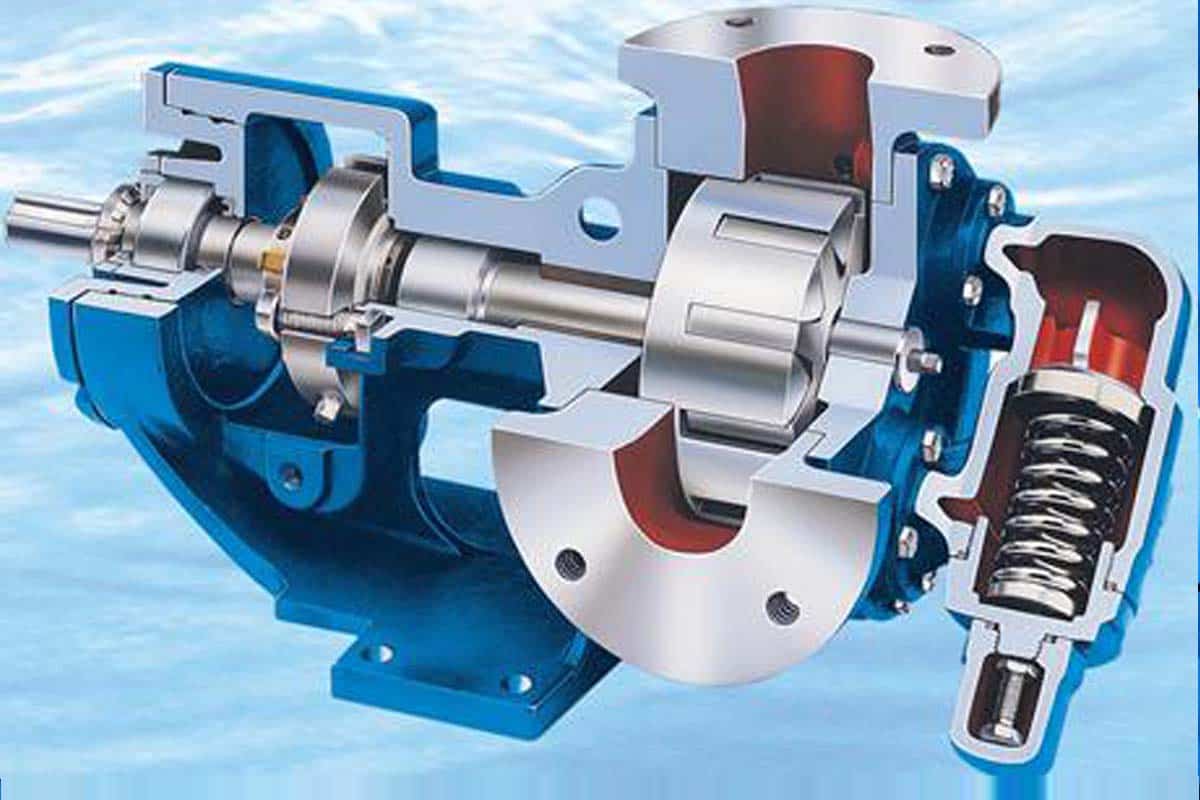
It is a pump that works by reciprocating
It does so by performing lateral expansion in the middle chamber of the diaphragm pump body, which allows it to fulfill the job of a self-priming fluid
Compressed air enters the distribution valve from the pump inlet seal and pushes the diaphragm upward
The pump has two symmetrical working chambers, each of which has a flexible diaphragm
The connecting rod forms the body of the two diaphragms
Due to the presence of two functioning chambers, there is simultaneous movement of both of the diaphragms
At the same time, the pump located behind the diaphragm is responsible for releasing the gas that was previously contained in the other working chamber
Pneumatic diaphragm pumps have two primary component flow structures and liquid flow structures that are totally separated through both sides of the diaphragm
At pressures greater than 2 kilograms per square centimeter, atmospheric pressure is considered to be operational
When the working pressure is between 5 and 8 kilograms, the high-pressure gas in the valve chamber pushes the connecting rod shaft left and right through the air flow dredging system
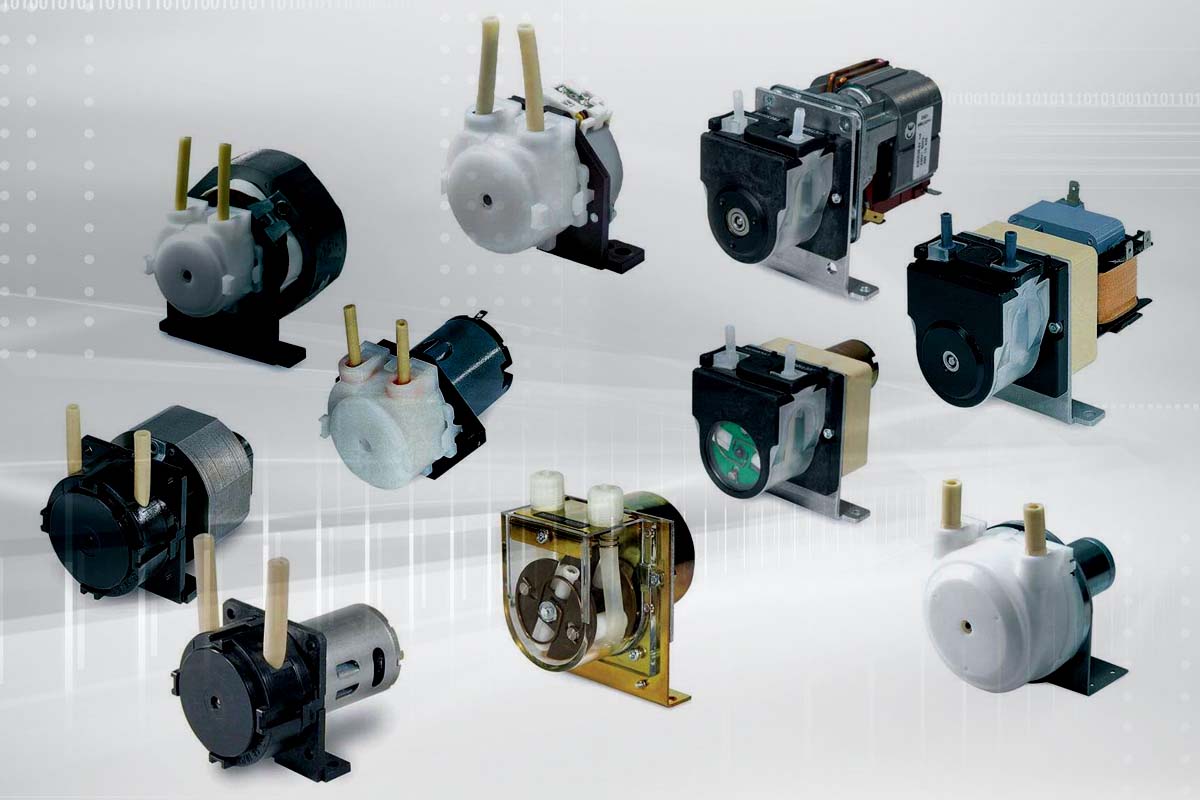
At the same time, the low-pressure gas is swiftly expelled through the exhaust port
The connecting shaft moves the membranes on both sides as a result of the alternating influence of high-pressure gas and low-pressure gas on both sides
This causes the air pressure in the volumetric cavities on both sides to change alternately, which results in continuous suction and discharge of liquid
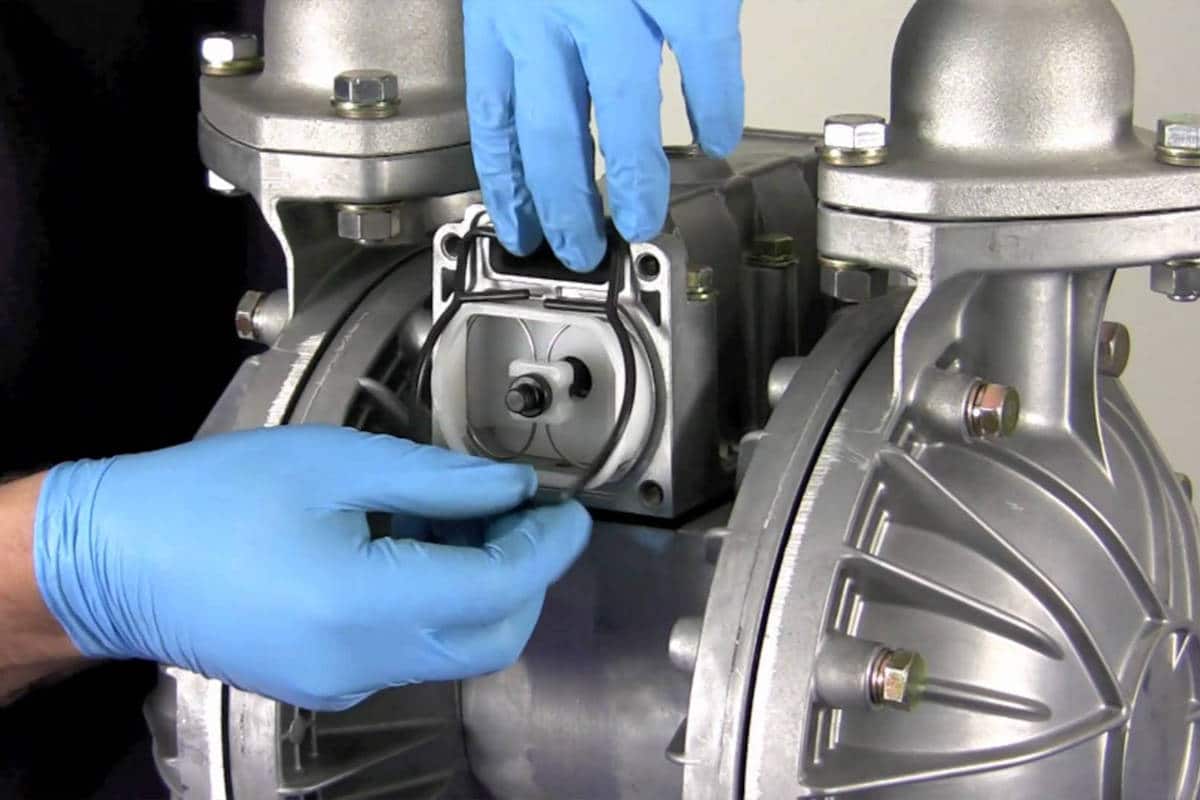
In air-operated double diaphragm pumps, the diaphragm is one of the most critical components that make up the pump
They divide the dry side of the pump, which handles the air, from the wet side, which handles the liquid (air side)
It is possible for fluid to infiltrate portions of the pump that are not wet if the diaphragm fails or ruptures
T his can have serious repercussions, including the complete destruction of the non-wetted parts of the pump, the destruction of the air motor, the contamination of the product, the risk to the health of the workers, the contamination of the working environment, and the possibility of an explosion or fire
Because of this, the procedure for selecting the diaphragm is absolutely necessary for the smooth operation of the pump
Understanding the liquid (its chemical name, its formula, or its trade name), its concentration, its viscosity, its temperature, its density, its abrasive content, and its maximum amount of solids) is necessary for the successful completion of this process
When deciding on a diaphragm to use for an air-operated diaphragm pump, there were seven primary considerations to take into account