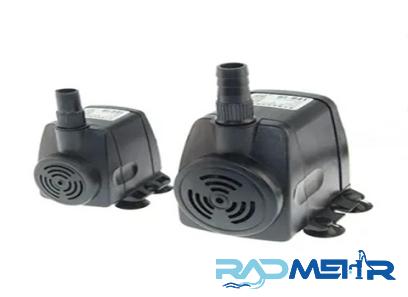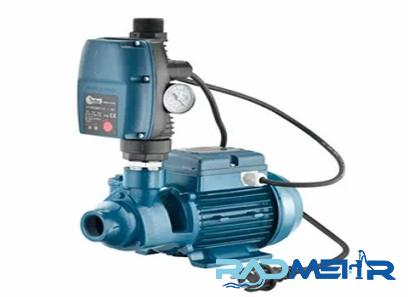
Reciprocating Pump Vs Centrifugal Pump
Pump models are used by people in a variety of contexts
They are widely used in industrial settings to carry out processes and produce goods
Pumps are a common sight in gas stations and washing machines
There is probably a pump somewhere that needs to pressurize or transfer liquids (like reciprocating vs centrifugal pumps)
There are two varieties of piston and centrifugal pumps
The advantage of piston pumps can be shown in a number of areas
They are more effective, don’t have suction issues, and are perfect for industrial settings
The advantages of centrifugal pumps over piston pumps, on the other hand, are numerous
The top are listed here
Smaller floor space: Centrifugal pumps are significantly more space-efficient and compact
They weigh less, are smaller overall, and can pump the same volume of liquid as larger piston pumps because of their simpler construction
This helps make our goods and devices smaller in residential settings
Greater capacity: The greater delivery capacity of centrifugal pumps over piston pumps is another benefit
The inlet and output dimensions can be simply increased to further boost this capacity
While piston pumps can only handle low-viscosity liquids, these pumps can handle high-viscosity liquids like dirty water or oil
Because of its constant flow of fluid, consistent torque, and power, centrifugal pumps are safer to use at greater speeds
Cheaper cost and care: The cost of purchasing and maintaining centrifugal pumps is a final key distinction between the two types of pumps
There are fewer moving parts to wear out or break because of their simplified design
In general, repairs go more quickly and easily
These pumps are used often, thus many technicians are skilled in using them
It’s simple to locate and install a centrifugal pump online
The pumps won’t be disappearing any time soon
Because of their special construction and features, specialty pumps are more appropriate in particular circumstances
You can select the ideal pump for your requirements after you are aware of what you require it for
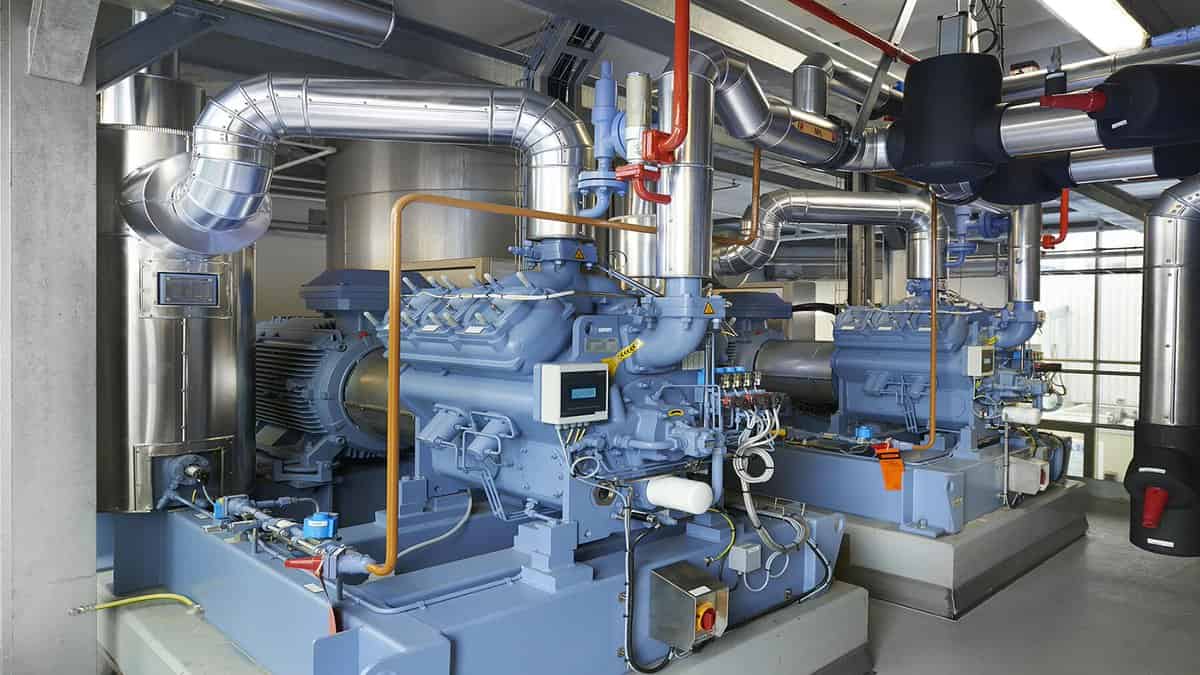
Reciprocating Pump
A class of positive displacement pump known as reciprocating pump also comprises piston pumps and diaphragm pumps
Piston pumps with proper care can last for many years
However, if they are not maintained, they may become worn out
When a tiny amount of liquid is needed and a high discharge pressure is needed, it is frequently utilized
A stationary cylinder with a piston or plunger serves as the fluid chamber in reciprocating pumps
Kinds: Depending on the source of the work The most basic type of bicycle pump is a hand piston pump, which is used everywhere to inflate sports balls and bicycle tires
Due to the fact that it produces more compression than displacement, the term “bicycle pump” isn’t actually appropriate
Deep well piston electric pump Via means of: A piston used in a single-acting piston pump only works on one side of the liquid being transported
The most basic illustration would be a syringe
Each piston stroke of the double-acting reciprocating pump simultaneously performs suction and discharge on both sides of the piston
Two inlet pipes and two output pipes are therefore needed
A three-piston pump
Depending on the number of cylinders
A single cylinder is made up of a cylinder that is attached to a shaft
Two cylinders – a two-cylinder engine with two cylinders joined by a shaft
Three cylinders are joined to one shaft to form a triple cylinder
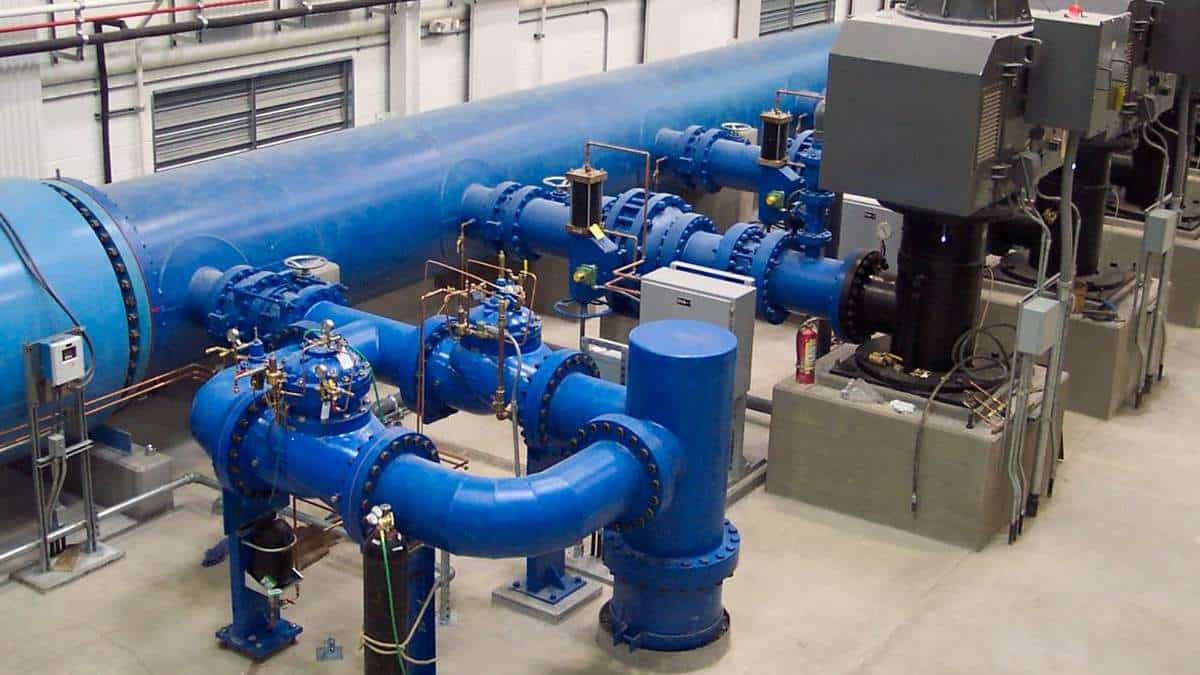
The essential parts of a piston pump
Because of its widespread use, piston pumps require a fundamental understanding of its components
Essential components and their purposes;
Despite not being a physical component of the piston pump, the water reservoir serves as its primary source of supply
Other fluids may also come from it
To prevent the pump from becoming clogged, a filter eliminates any pollutants from the liquid
The pipe used by the pump to take water from the tank is known as the suction pipe
Suction Valve: A check valve used in the suction line that directs flow from the tank to the pump rather than the other way around
The primary component in which the pressure increases is a cylinder or fluid cylinder
It is a cylinder-shaped object with a cover
It is made up of piston rings and a piston
Piston or piston and piston rod: The piston is physically attached to the piston rod
The connecting rod is coupled with this piston rod in turn
Pressure is generated inside the cylinder as the piston reciprocates forward and backward
Piston Rings – Although small, piston rings are one of the most crucial components for preventing wear on both the piston surface and the inner surface of the cylinder
It makes the pump function properly
Packing – To provide good sealing between the cylinder and piston, packing is necessary for all pumps
Aids in preventing leaks
Crankshaft and Connecting Rod – The connecting rod connects the crankshaft to the power source and the crankshaft to the piston rod
This element aids in the transformation of circular motion into linear motion
Similar to the suction valve, the pressure valve (also known as a check valve) aids in creating pressure
Prevents backflow from damaging the pump
Delivery tube: aids in getting the liquid where it needs to go
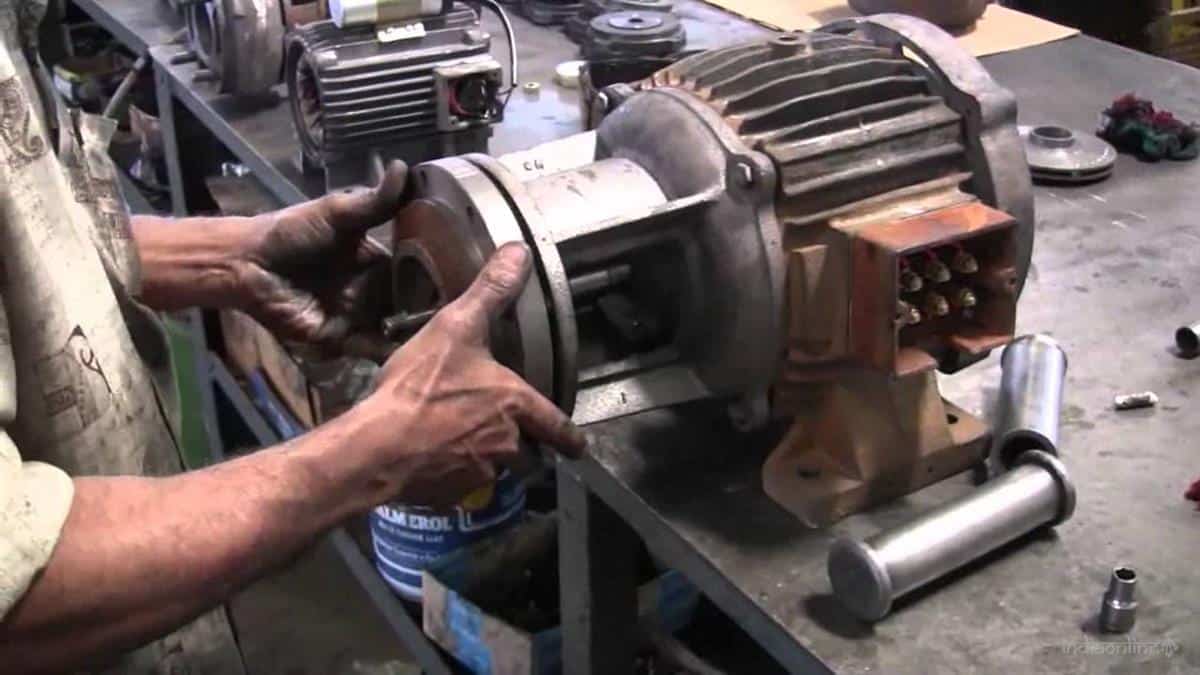
Some reciprocating pumps may contain an air reservoir that lowers the acceleration or friction head
Usage of a piston pump The following is how piston pumps are used:
Clean tanks, pipelines, condensate lines, heat exchangers, and other equipment
Drilling, processing, injection, and refineries for oil
Uses for pneumatic pressure
Washing a car
Drain cleaning
Blasting with water
Boiler slurry
High-pressure RO system pumps (reverse osmosis)
Testing of tanks, containers, etc
using hydraulics
System for dousing fires
System for treating sewage
While there is a lot of education about centrifugal pumps, there has been a reduction in the population of piston pumps, which has led to a loss of knowledge about the specific system design requirements for this kind of pump
Piston pumps are increasingly frequently and wrongly subjected to centrifugal pump standards, which can cause major reliability problems
The top ten facts about piston pumps that can affect their dependability and performance should be taken into account by end users
Pressure pulse
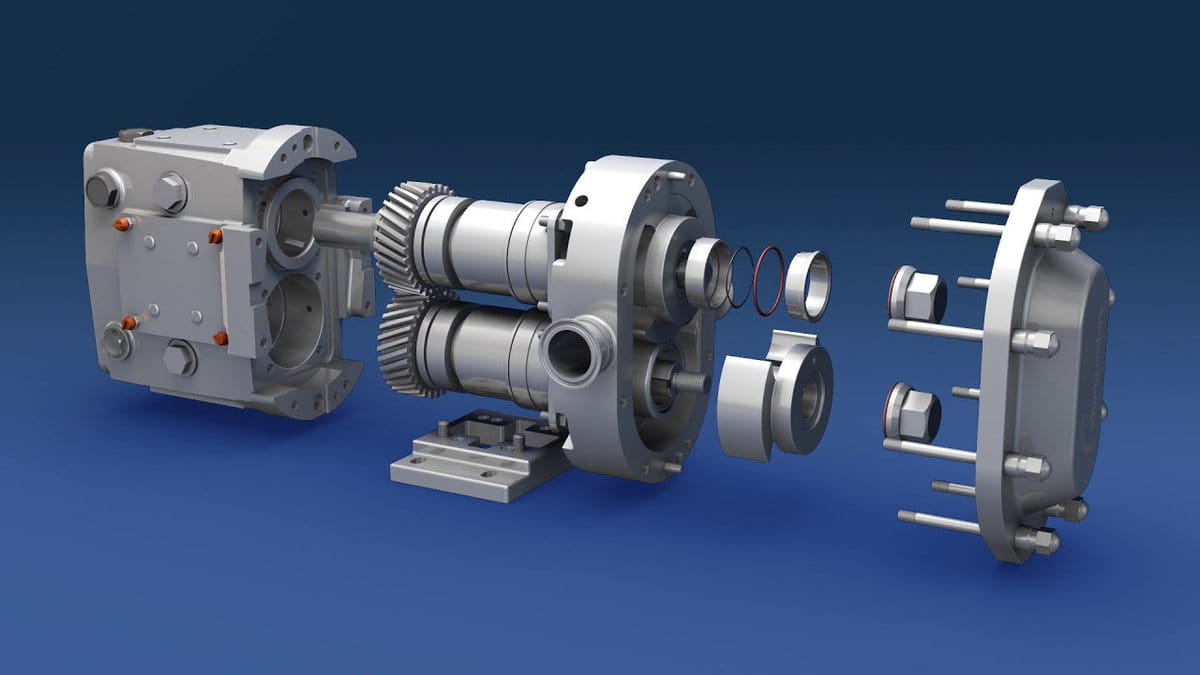
Due to the pressure pulse they produce, piston pumps interact with the whole system more strongly than centrifugal pumps do
The speed of a piston or piston is zero at two locations because of the linear reciprocation of a piston or piston: at the end of each stroke when the piston or piston changes direction to the full forward or full backward positions
This fluctuating velocity causes pulsations that interact with the piping system and have the potential to cause damage
Both the suction and pressure systems experience pulsations, which can be lessened by choosing the right pump and employing pressure dampening tools
Pump system analysis and adjustment can also significantly improve pump reliability
Speed and power
The constant amount of fluid displaced in a piston pump’s cylinder and the pace (pump speed or revolutions per minute) at which the piston/plunger can move that fluid through the system are what determine the pump’s flow rate
These machines have set volumes
Changing the rate at which the piston or pistons push fluid through the pump valves and into the system is the simplest technique to alter the flow of a piston pump
A centrifugal pump’s performance curve is different from a piston pump’s
While the flow is unchanged, the pressure rises when the relief valve is closed
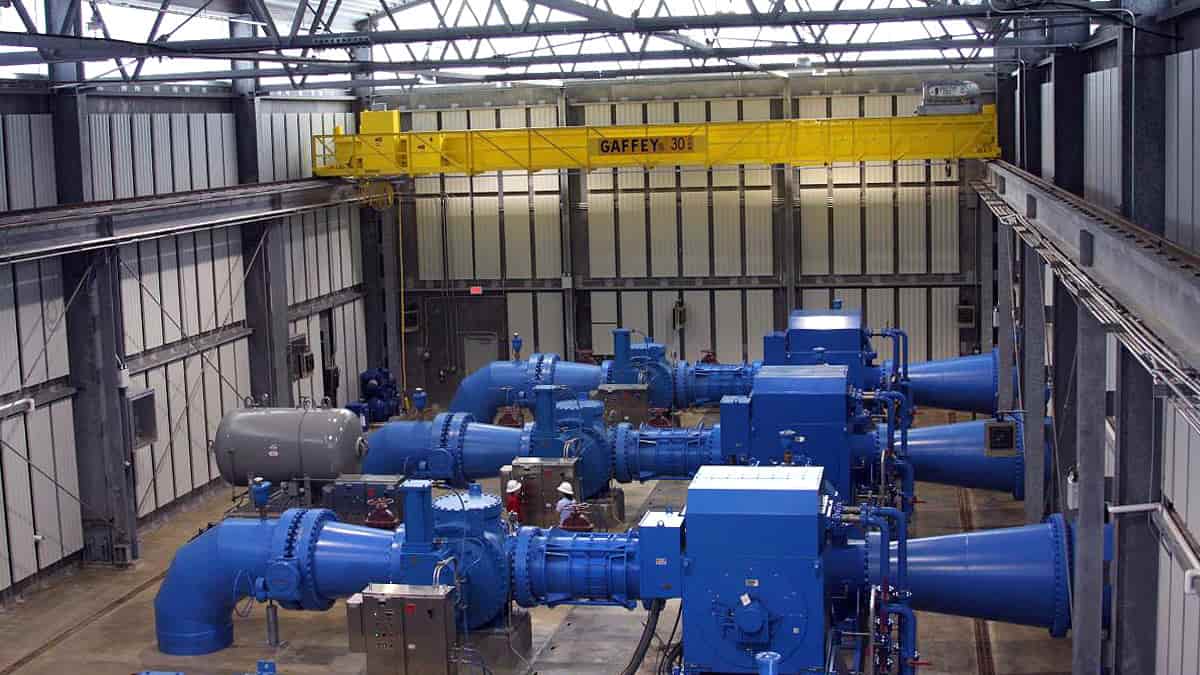
Centrifugal pumps operate at a significantly faster pace than piston pumps
The longevity of the unit’s packing and seals will be compromised by increasing the speed
Longer piston and seal lives can be achieved by balancing piston speed and size
Sealing and packaging
The piston/piston rod life is influenced by the piston pump packing design, speed, and function of the piston surface
In the no-lube gland design, the piston/piston rod packing relies on pumping fluid for lubrication between the packing and the piston, helping to maintain low temperatures
Packing and piston/piston rod life can be considerably extended by changing packing designs and/or piston liners
Effectiveness and effectiveness
The piston pump is typically more effective than the centrifugal pump
The majority of the time, low/high flow applications use piston machines
In low/high flow operations, centrifugal pumps can operate with efficiency as low as 40%
With the same performance, a reciprocating machine can be over 90% efficient
Utilizing reciprocating machinery can greatly reduce the amount of electricity consumed by end users
Piston Covers
Pistons are given hard facings to prevent wear from linear motion between the packing and the piston
Despite the potential effectiveness of these coatings, piston life can be greatly extended by novel materials that are very resistant to wear
High Velocity Oxygen Fuel (HVOF) coatings can now improve previously cutting-edge ceramic coatings
Ceramic finishes are robust but quite fragile
This brittleness can cause damage during shipment, assembly, or everyday handling in an industrial setting, which might result in equipment failure
Atmospheric leakage
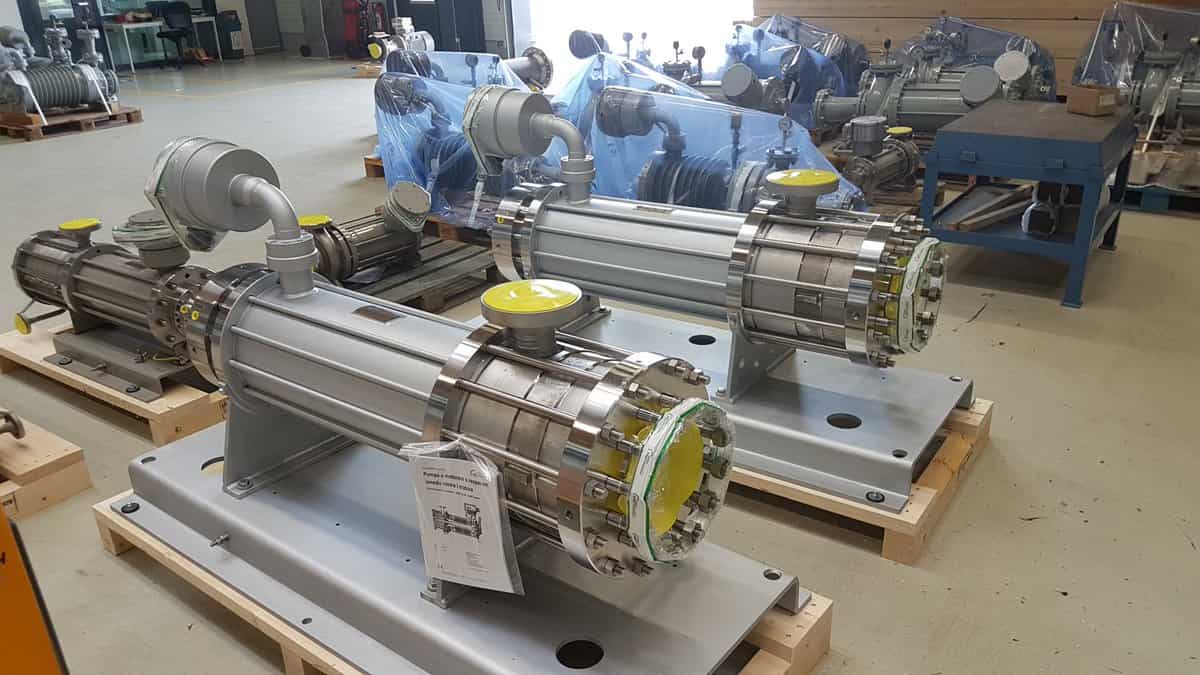
Many piston pump users are thinking about switching to diaphragm pumps because of emission regulations
Reciprocal engines feature a leaky sealing system, but this leakage can be reduced, collected, and the pump can still comply with environmental fugitive emissions laws
Altering the filling box’s configuration costs substantially less than altering the actual device
NPSHR A centrifugal pump’s needed net suction head (NPSHR) is calculated when the head is reduced by 3% under NPSHA circumstances (decrease in available net suction head)
A 3% decrease in performance is the NPSHR defining requirement for reciprocating pumps
Up until a capacity loss of more than 3%, NPSHA is reduced
NPSHR is defined as NPSH that was available with a 3% capacity reduction
To enhance NPSHR, a number of elements can be altered
In comparison to changes needed in a centrifugal machine, these are simpler
Belt to ensure that machine speed satisfies performance criteria, many reciprocating machines still employ drive belts on wheels of various diameters
The type, quantity, and fit of belts are crucial, and poor setup or use might result in failure
Viscosity
Reciprocating machines outperform centrifugal machines when dealing with highly viscous materials
High viscosity fluids are easily handled by reciprocating pumps, and unlike centrifugal machines, their viscosity has no impact on flow rate
Instruction
The use of centrifugal pumps is widespread and well-known
Specialized training for piston pumps can improve users’ comprehension of these devices and aid in enhancing their performance and dependability
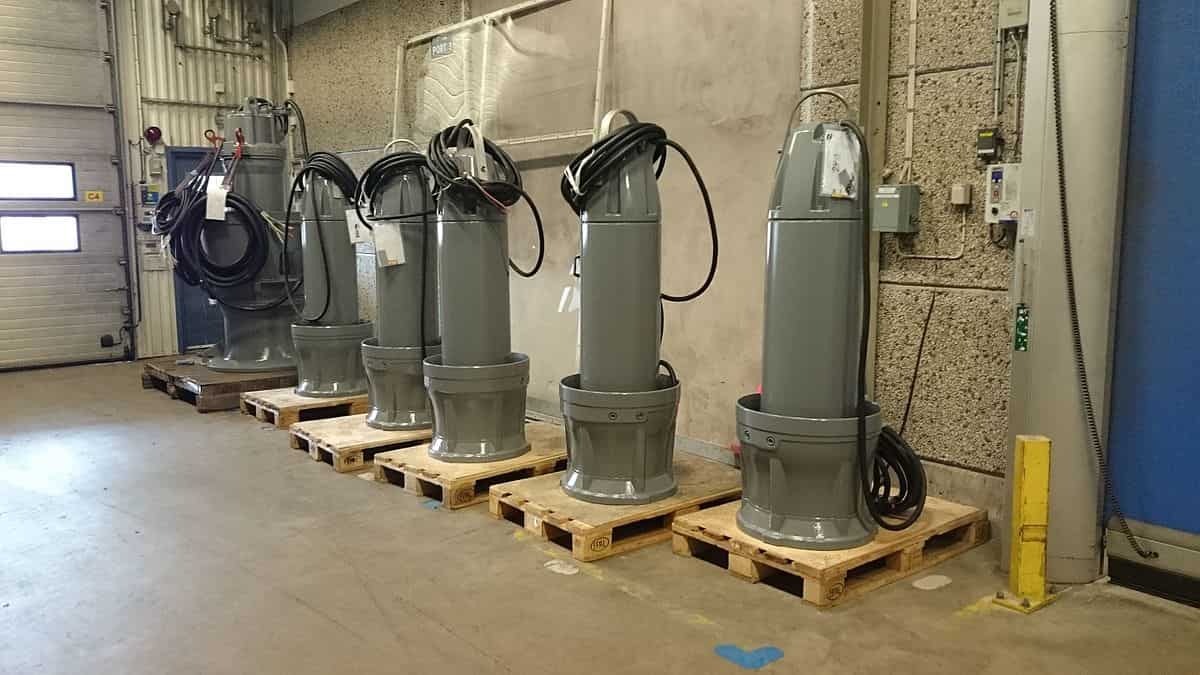
Centrifugal Pump
Currently, a wide range of home and industrial activities use centrifugal pump models
Different types of centrifugal pumps are needed to efficiently meet pumping needs in a variety of industrial applications, including the manufacturing of food, beverages, and chemicals as well as residential water delivery
DXP is a reputable manufacturer and supplier of centrifugal pumps and has in-depth expertise in this area
The many kinds of centrifugal pumps are discussed in this article along with the applications that each one is best suited for
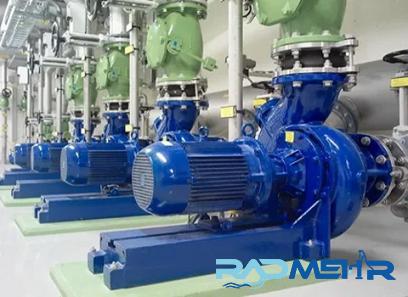
How centrifugal pumps operate A typical centrifugal pump comprises of a revolving pump shaft and one or more impellers
The arrangement gives the fluid the energy it needs to go through the piping and pumping system
The pump motor’s dynamic mechanical energy is transformed into the energy of moving liquids by the propellers’ rotation in conjunction with the pump axis
While the majority of the motor’s energy is transformed into kinetic energy in the fluid that is pumped, part of it is lost as potential energy in the fluid pressure that is calculated against gravity
Using a centrifugal pump The fluid pump is directed to the impellers’ suction ports and inlet to begin the cycle of operation
The pumped fluids are then moved along the rotating blades of the rotating impellers, increasing the fluid’s speed in the process
The fluid that has been “supercharged” leaves the impeller blades and is sent to the diffuser chamber or impeller ring, where the high velocity of the fluid is changed into a high fluid pressure
The pressurized fluid is then sent to an outlet port or the following stage of a multi-stage pumping system as a final step
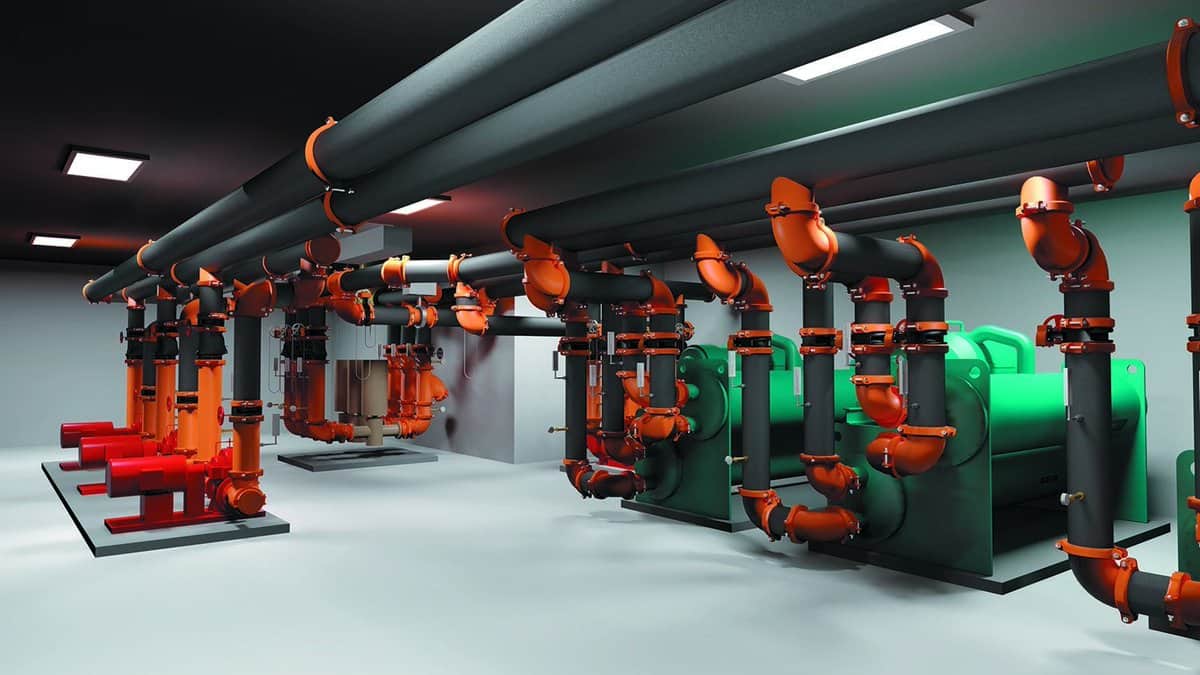
Centrifugal pump types Important centrifugal pump modifications include:
Radial
axial
Centrifugal pumps: axial vs
radial
The direction is the primary distinction between axial and radial centrifugal pumps
By design, a centrifugal pump permits fluid to flow outward through it
Through the downstream pipelines, the pressure liquid that was pumped out is released
As opposed to reciprocating pumps, axial flow pumps move fluid by elevating their impeller blades
Comparing ANSI and API pumps Numerous radial-configuration centrifugal pump systems are produced to adhere to strict industrial standards
The American National Standards Institute pumps and the American Petroleum Institute (API) pumps are the most widely used standards
ANSI pumps are premium single impeller pumps with simpler maintenance requirements
ANSI pumps can be used in place of other pumps with comparable ratings
The low fuel flow rates that this kind of centrifugal pump is designed for
Specific industrial requirements, such as bolt space dimensions and required pump coupling heights, are met during the manufacturing of API pumps
API pumps are intended for heavy-duty service in the oil and gas sector and are often configured radially
Pump Works is a DXP subsidiary that offers top-notch industrial pumps if you’re searching for reliable API and ANSI pump manufacturers
Single, double, or many stages

The number of impellers in a centrifugal pump installation determines how many stages they fall under
Only one step This kind of pump has a single impeller housed inside its casing and is relatively simple to maintain
When a high flow rate must be maintained at low pressure, a single stage centrifugal pump is more appropriate
Two-stage The connected process fluids are pumped by two impellers that are part of a two-stage centrifugal pump
It is a tool that works well with medium-sized heads
Multilevel To operate at its highest efficiency, this centrifugal pump system needs many impellers (three or more)
High head applications are where multistage pumps perform at their best
Standard uses for industrial centrifugal pumps Centrifugal pumps are frequently used in numerous household, commercial, and industrial markets
Applications for centrifugal pumps include the following: Residential areas’ water supply and fire suppression systems Companies in the oil and gas industry that produce chemicals for the food, beverage, and sewage/sludge industries