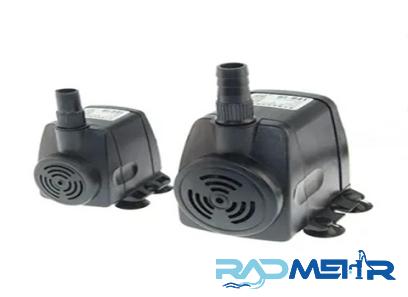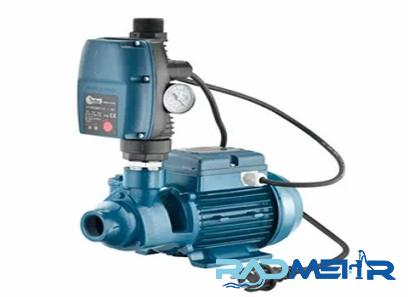
Rotary Vane Water Pump
Despite the fact that they are not well known, rotary vane pumps are very important in many aspects of modern life
Vane water pumps are sure to play an important role in the products that you enjoy, whether they are transporting thick fluids without compromising their quality, transporting power steering fluid in a vehicle, helping a drinking fountain to retain the ideal amount of carbonate, or transporting other types of fluids
The following is some information on rotary vane pumps, including what they are, how they function, the benefits and drawbacks of using them, and the many varieties of vane pumps
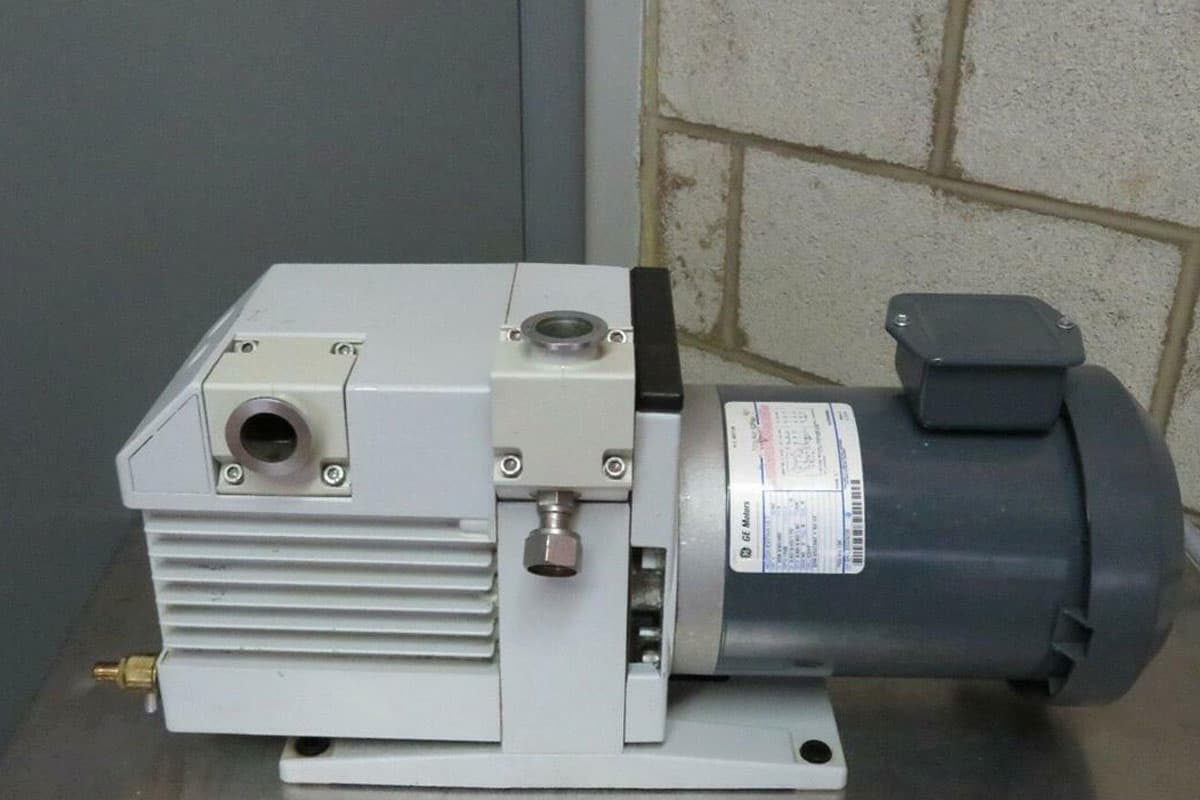
A self-priming positive displacement pump that transports liquids and gases by way of vanes that are installed on a rotor inside of a cylindrical housing is referred to as a vane pump
This kind of pump is also known as a vacuum pump
Compressed liquids and gases are forced out of the pump’s exit after being subjected to further compression
Vacuum pumps are used by automobile manufacturers in a wide variety of applications, including power steering, air conditioning, and automatic gearboxes
In addition to their application in beverage dispensers and espresso machines, rotary pumps are also used for the transportation of viscous liquids in the food and beverage sector
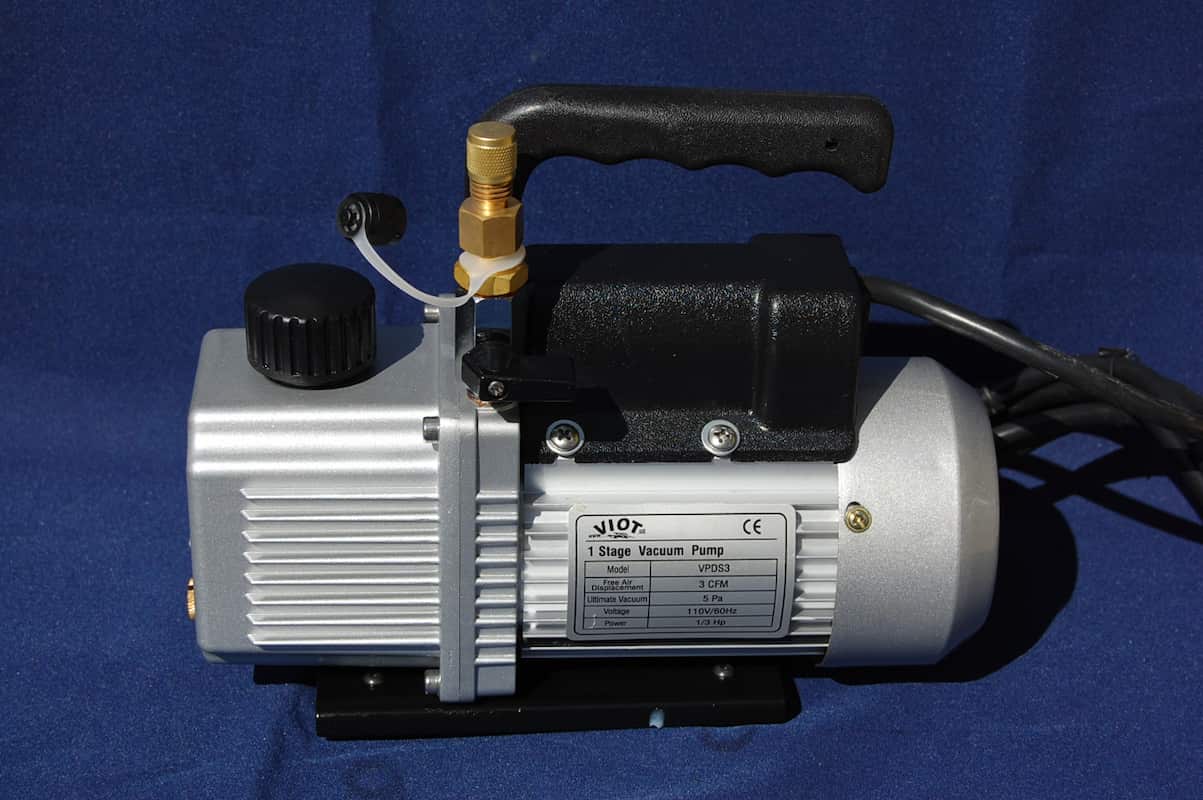
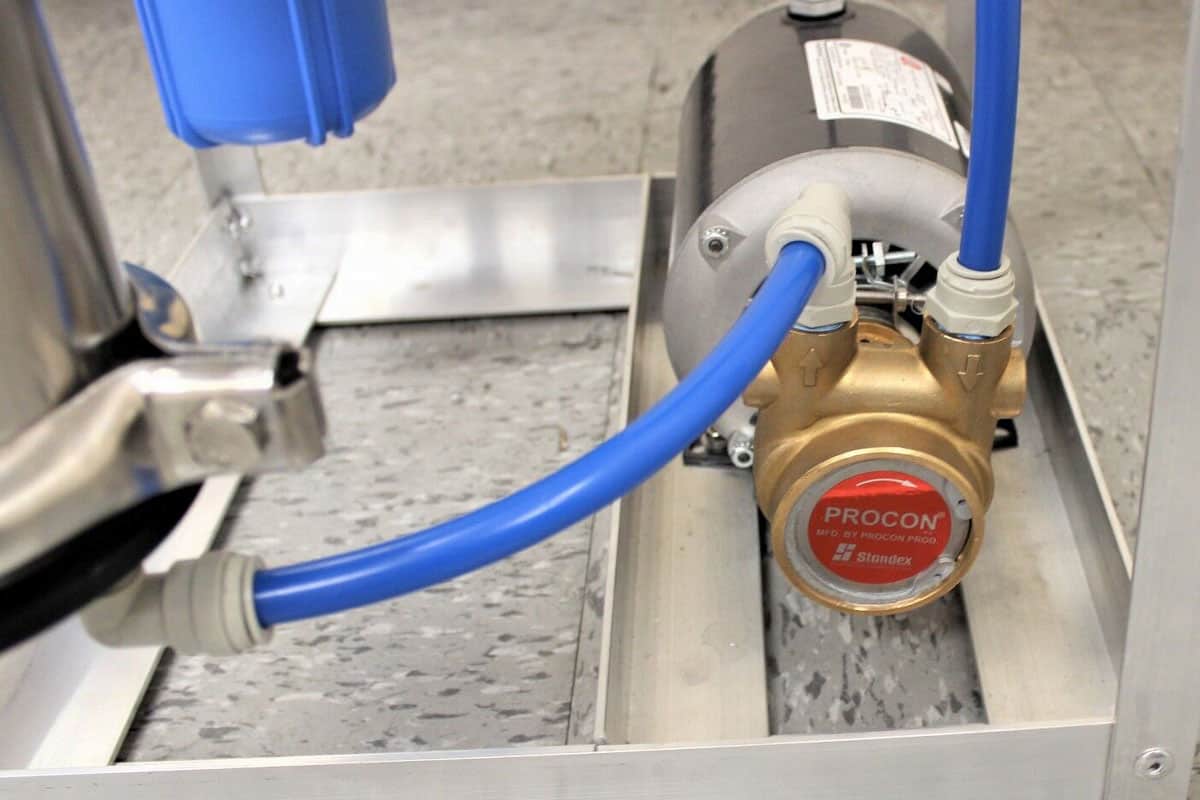
It is also extensively employed in the business that deals with water treatment to deliver pressured water to membranes that are used in reverse osmosis filtering
As was just explained, a rotary vane pump is a kind of pump known as a positive displacement pump
The operation of positive displacement pumps entails drawing in a fixed quantity of liquid and then transferring that volume of liquid between the pump’s suction and discharge chambers
Pressure is generated by the feather joints and the flow of fluid
Positive displacement pumps are unaffected by the pressure of the fluid they are pumping and may operate at high pressures while only requiring a modest suction pressure
Centrifugal pumps, on the other hand, generate an initial pressure that ultimately leads to flow
Centrifugal pumps are unable to pump liquids with viscosities as high as those that can be handled by positive displacement pumps
This is because centrifugal pumps have internal friction that causes a loss of efficiency
On the other side, positive displacement pumps are capable of increasing efficiency to a certain degree while working with fluids that have a high viscosity
Compressing, circulating, and evacuating gases and liquids are the primary functions of rotary vane pumps, which may have two or more chambers
These chambers generate a vacuum, which causes the contents to be compressed and makes it possible for them to move through the pump outlet
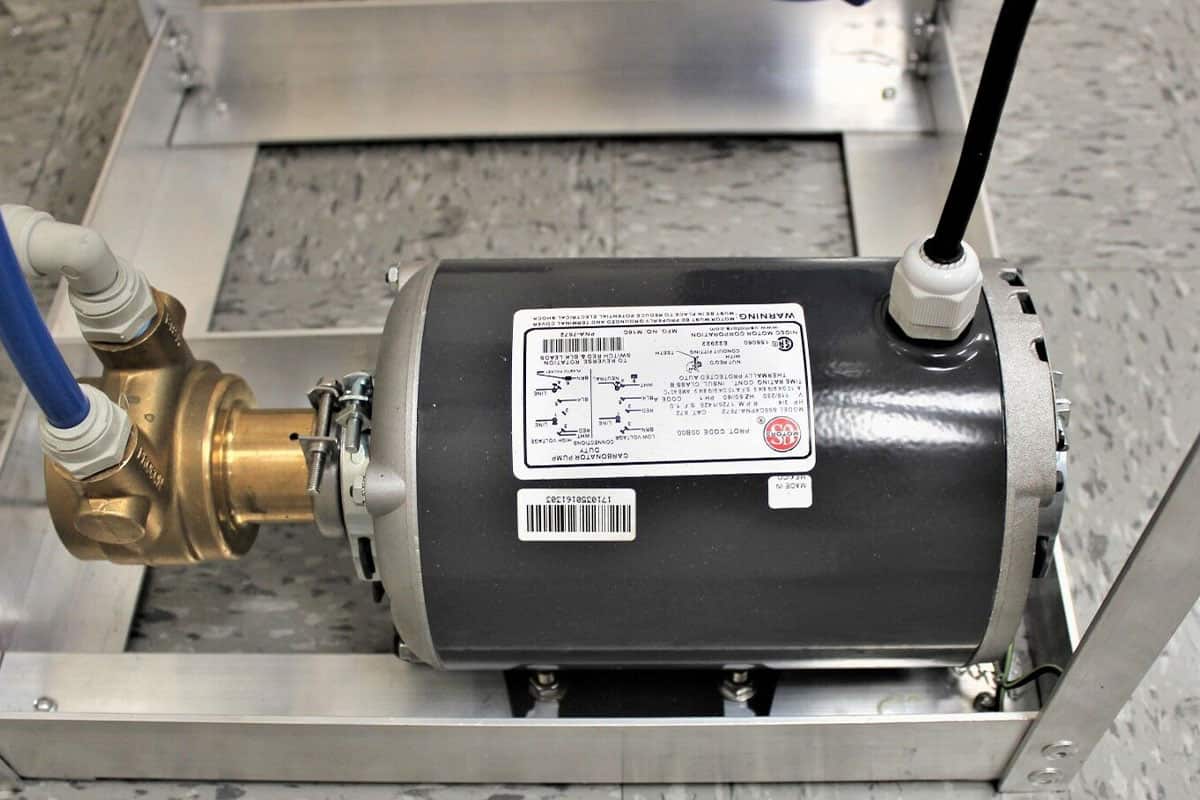
The rotors may be moved in and out of the rotor, and their balance is maintained against the inside wall
A single chamber is produced as a result of the vanes’ rotation, and this chamber is then subdivided into suction and discharge halves by the outlet valve
Fluid is drawn into the suction side of the chamber, where it is subsequently squeezed while the chamber rotates
As soon as the vacuum chamber has reached its maximum capacity, the contents are emptied into the vacuum chamber via the pump outlet
Last but not least, the exhaust valve prevents backflow by obstructing the flow of whatever is attempting to get into the pump
There are many varieties of positive displacement pumps, including rotary vane pumps
The rotor is mounted slightly off-center on the shaft of the housing, which is shaped like a cylinder, such that the moving element is located relatively close to the top of the housing
The rotor has a number of different slots that the spinning blades are inserted into
When the rotor starts to revolve, the blades are flung forth by the centrifugal force, and they glide over the inside surface of the cylinder while the rotor continues to rotate
During rotation, a cell is generated when two blades of a size that is continually changing come into contact with one another
When the rear vane of a cell reaches the inlet port, it signifies that the cell has reached its maximum air volume and no more air will be admitted from the inlet port
The size of the air cell gradually decreases as it goes farther and farther away from the port
The air is squeezed into a smaller space, which results in a rise in pressure
This process will keep going on until the pressure within the cell is higher than the pressure inside the pressure chamber
After that, the air leaves via the port that’s designated as the outlet
There are certain types that come fitted with exhaust valves that, once the maximum pressure is achieved, shut off the flow of exhaust air in the opposite direction
The method is the same when using a rotary vane vacuum pump; however, the air cell in this kind of pump releases a pressure that is lower than the pressure in the chamber, which is at atmospheric pressure
In addition to their frequent use in high-pressure hydraulic pumps, vane pumps are also often found in a variety of automotive applications, including as boosters, power steering, air conditioning, and automatic transmission pumps
Carburetors for soft drink dispensers and espresso machines are examples of applications that may benefit from medium-range pressure pumps
Additionally, vane pumps may be used in low pressure gas applications such as secondary air injection for automated exhaust emission control or in low pressure chemical vapor deposition systems
These applications fall under the category of low-pressure gas applications
In addition to being a common type of vacuum pump, rotary vane pumps can achieve pressures well below 106 bar when operating in two stages
Applications for it include braking assistance via brake boosters in large trucks and diesel passenger cars (whose engines do not generate drag vacuum), gyroscopic aircraft in the majority of light aircraft, evacuating coolant lines when installing air conditioners in laboratory dryers, and vacuum experiments in the field of physics
Because gasoline and oil are mixed together within a vane pump, the gas and oil must be separated on the pump’s outside
Because of this, both the entrance and the outflow consist of a huge chamber, which may be equipped with a vortex, into which droplets of oil are deposited by the gas
Sometimes the inlet will have air-cooled inlets (the pump is typically 40 degrees Celsius hotter), which will enable the water and broken pump oil to condense and then fall back down into the inlet
This is because the inlet is located above the pump
When these pumps are utilized in high vacuum systems, the primary worry is contamination of the whole system caused by the backflow of particle oil
This is because the gas input to the pump is relatively low in these systems