Screw Pump Applications and price
Screw pumps are used in a wide variety of industries, including manufacturing, mining, and even the oil and gas industry
The majority of these applications are for high-viscosity fluids or multi-phase fluids, such as oil or asphalt; this implies that the liquid stream comprises a mixture of liquid and vapor at any given time
The following is an illustration of how to use a screw pump
Both Hydraulic and lubrication systems make heavy use of screw pumps
Many hydraulic and lubrication systems make heavy use of screw pumps
These are typically very compact pumps that have three screws
These types of lubrication and hydraulic systems can be used to operate elevators in buildings, power high-pressure hydraulic systems, or grease massive pieces of machinery
Pipelines for heavy oil Because of their ability to reduce friction, screw pumps can be an ideal alternative for moving in pipelines while pumping high viscosity crude oil
Screw pumps are frequently utilized in these applications because they are capable of pumping higher viscosities than centrifugal pumps and higher flow rates than piston pumps
In these kinds of situations, it may be necessary to make use of very large pumps in order to reach the requisite flow rates
Large electric motors or diesel engines are often what provide the motivation for these pumps
Multistage Pumping a mixture of liquid and vapor at the same time is an example of multistage pumping, which is widely recognized as one of the most challenging applications for pumping
Just as air can cause major damage to most pumps, liquid can cause serious harm to compressors
Screw pumps that have been properly configured are hybrids of pumps and screw compressors and are able to handle both liquids and gases in their various forms
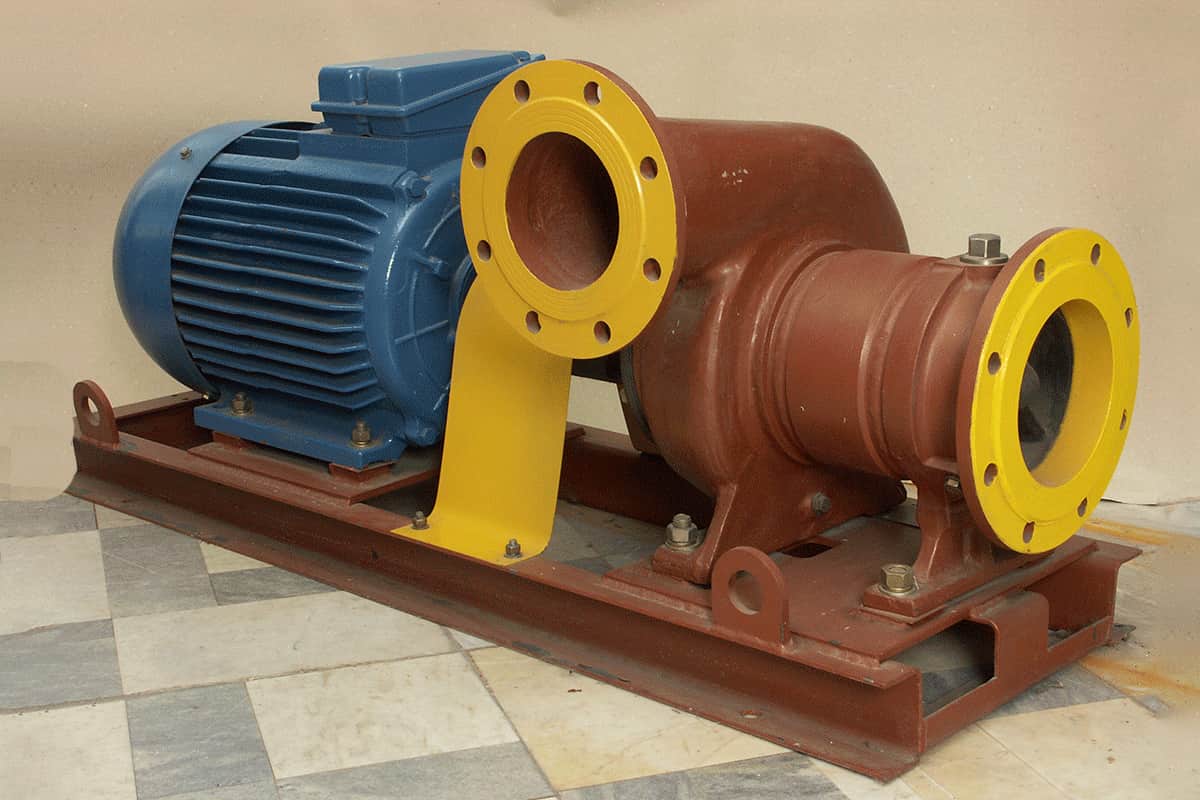
During the air intake process, the screws should not come into contact with one another to prevent damage to the screw pump
As a result of this factor, four-shaft pumps are utilized frequently
In addition to that, a liquid bellows ought to be included with the pump
This can be installed within the pump, but the attachment to the pump can be done easily from the outside
A pressure vessel that gathers fluid at the pump outlet is referred to as a fluid bellows
As the airlock makes its way through the supply pipe, a small pump draws fluid from the trunk and injects it into the pump
This process is carried out while the airlock is in motion
This not only lubricates the screws and liner lightly but also creates a seal between the two pieces
This prevents the pushed air or gas from leaking into the pump and lowering the pressure area
Depending on the capacity of the vessel used to provide the liquid, multistage pumps are able to deliver one hundred percent steam for a period of several minutes
The challenge of multiphase pumping can be found in a variety of different sectors
In the oil and gas business, some of the most typical issues include liquefaction of gas wells and storage of propane caverns
A positive displacement pump is one of the forms that a screw pump can take
This indicates that fluid can displace other fluids, hence continuously altering the space it possesses
The screws are contained within a liner, which is often manufactured from metal of some kind
When the screw is rotated to engage, fluid that has settled in a screw cavity within this liner is expelled from the pump and drain as the screw rotates
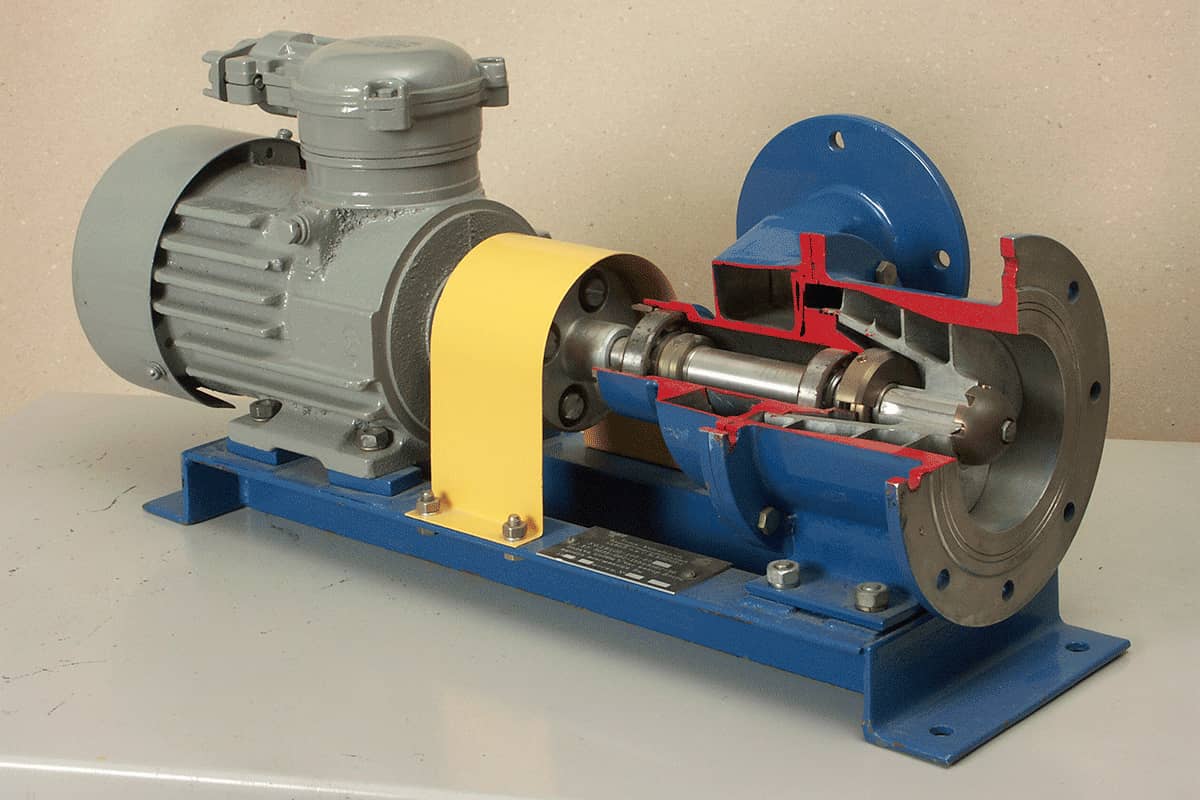
It is required for there to be a specific clearance between the sleeve and the screw in order for the pumped liquid to be able to slide in the low-pressure areas that are contained within the pump
This volumetric shear is typically not an issue when dealing with fluids that have a high viscosity
On the other hand, this change becomes more pronounced when the viscosity drops
Reduces the effectiveness of the pump
When pumping water or other comparable liquids, this factor really needs to be taken into consideration, particularly in multi-phase applications in which vapor particles are mixed in with the liquid stream
In this kind of scenario, any clearance inside the pump ought to be minimized so as to cut down on slippage
When a screw pump is used to pump oil or another kind of viscous fluid, the surfaces of the pump are lubricated as the fluid is pumped, which allows the screws to engage with very little or no play at all
When pumping water, water-gas combinations, or other forms of light liquids, it is imperative that no two components come into direct contact with one another
Otherwise, there will be accelerated wear
For this reason, 3-screw pumps, which are defined as pumps in which one screw drives two other screws without synchronizing gears, should not be utilized for water or multi-phase service
The only rotor on which seals are required for triaxial pumps is the drive rotor
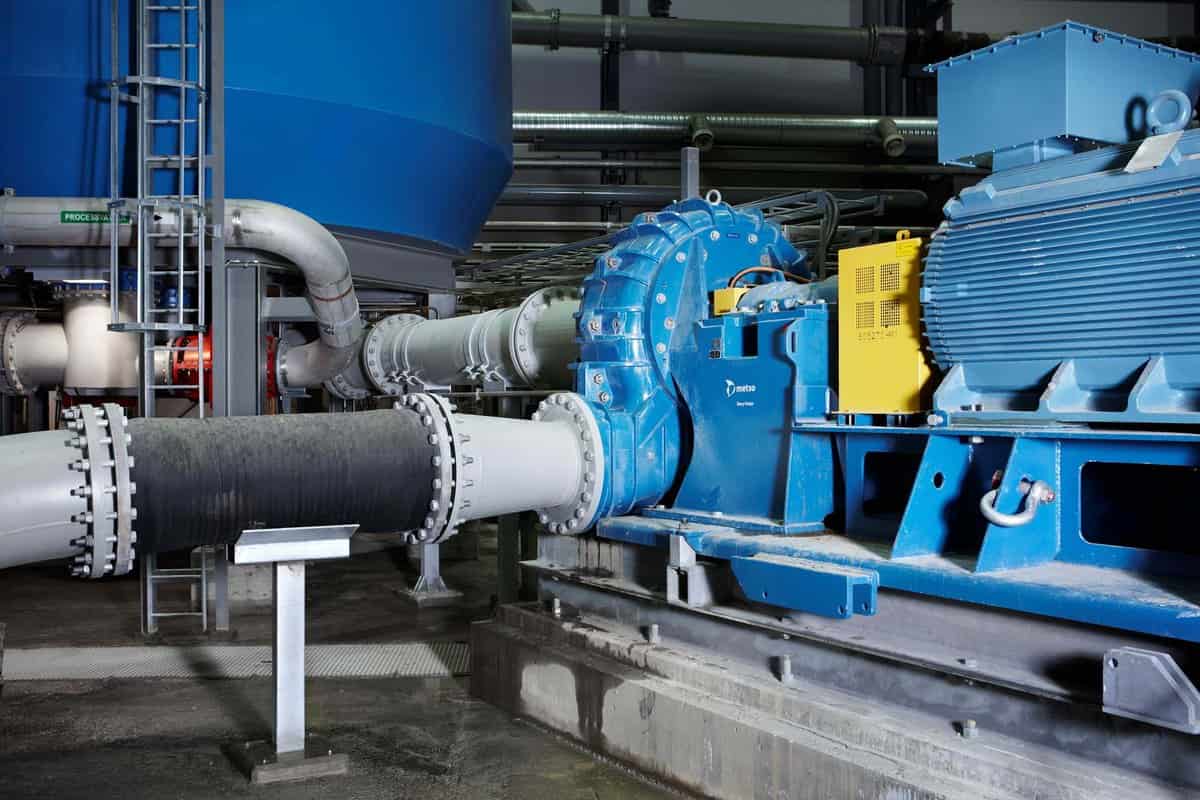
Other rotors, such as bearings, are housed internally within the pumping chamber, and they do not stick out in any way
When it comes to pumps with two or four rotors, the two rotors often extend from the body of the pump and into the gearbox, which is where the timing gears are housed
As a result, a double rotor screw pump needs to have a total of four seals
Plant designers, process engineers, and plant operators are all paying more attention to screw pump technology as a result of the growing complexity of processes and the introduction of new requirements
The need to improve energy efficiency and operational flexibility while simultaneously reducing operating expenses is the primary emphasis of this effort
It is time to rethink the conventional methods of selecting pumps and to investigate the development of screw pumps in order to identify how to improve the economy and maintain important processes in process plants and transfer systems
All screw pumps belong to the family of positive displacement pumps and are constructed to move the flow in a manner that is directly proportional to the speed at which the screw is rotating
This goes against the principle of hydrodynamic pumps, which are powered by kinetic energy
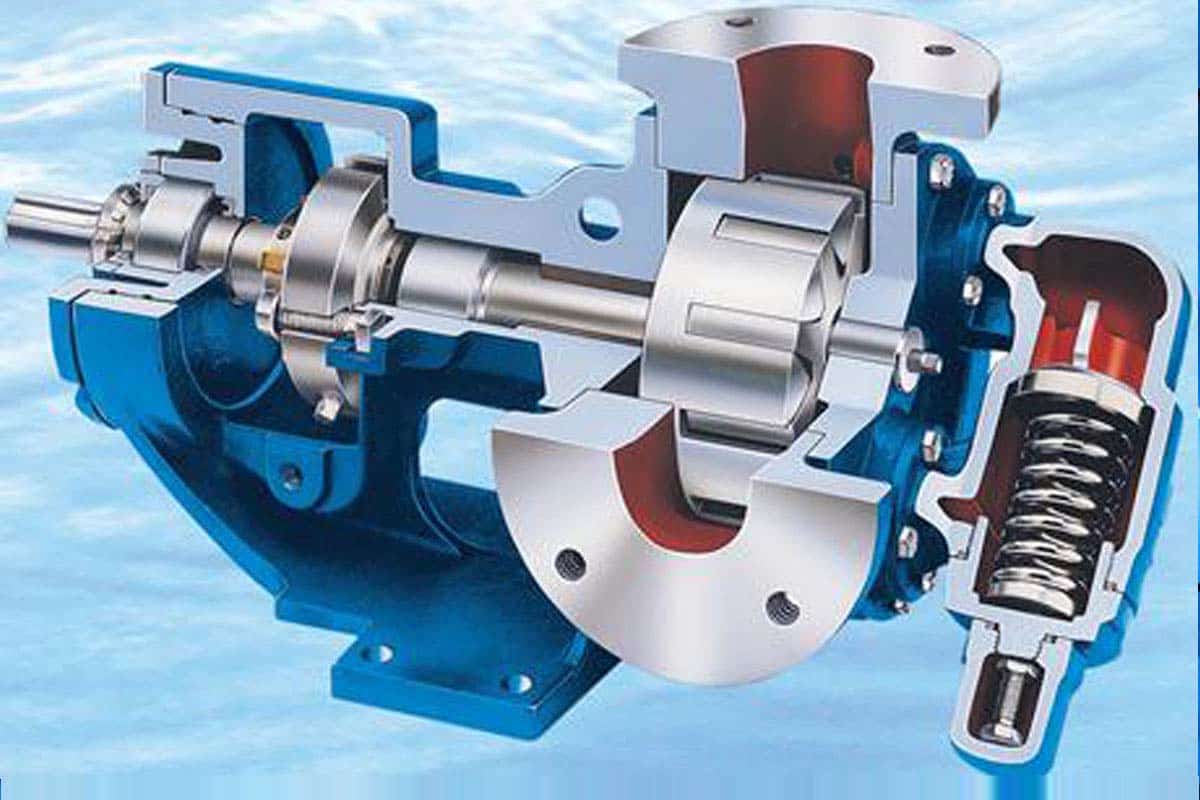
As the pump rotates, the interlocking screw profiles produce a sealing chamber by providing pressure to counteract back pressure downstream of the system, which ultimately results in the movement of fluid from the suction to the discharge side of the system
The pump screw is the primary component that causes the fluid to be pumped, while the drive screw, also known as the power rotor, is responsible for transmitting mechanical and hydraulic force to one or more of the idler screws
Pump flow is ensured by a smooth opening and shutting of the pump cavity, which results in reduced levels of airborne noise and vibration
The vast majority of screw pumps are manufactured to be free of axial hydraulic thrust
This can be accomplished by employing a balance piston or by arranging the screws in a counterflow arrangement
The design of the pump is made much simpler by the absence of thrust bearings, which also eliminates any potential wear and maintenance areas