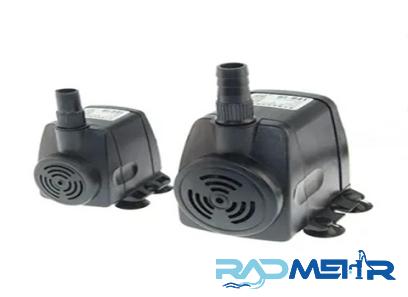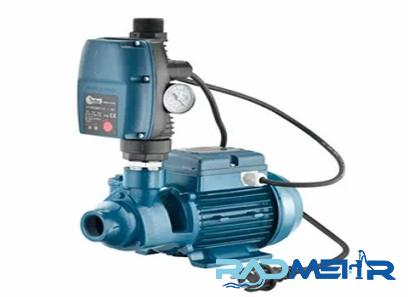
Self Priming Water Pump Working Principle
Gravity and air pressure ensure that the pump is always filled with water and that air cannot enter the pump or suction line (pump working principle) if it is below the level of the liquid being pumped like self priming pumps
The pump needs to be mounted above the liquid level in many situations, such as when emptying an underground storage tank
During startup, air will be present in the suction line; this air needs to be removed or displaced before the pump can drain the liquid
The pumps are designed to move a certain liquid
Gas evacuation is a very different situation
This issue can be solved in a number of ways
The suction pipe can be drained using a secondary pump
When the pump is turned off, liquid cannot exit the suction line
A non-return (foot) valve or evacuation tank can be employed to block this from happening
These solutions, however, call for extra machinery, piping, and procedures
A pump that can remove air from the suction side during startup before beginning the regular pumping cycle is ideal for these applications
A pump like that is regarded as self-service

What is the self-priming pump’s limit? The fluid is forced into the suction line by ambient air pressure as the pump expel air from the suction side
Only until the fluid’s head balances the local air pressure can this process proceed
A completely effective pump might theoretically self-prime just approximately 10 metres above its source when used with water, for instance
For other liquids, the precise limit will be different and dependent on temperature and altitude
Self-priming volumetric pumps are they? All positive displacement pumps are, in theory, self-priming
These include lobe pumps, vane pumps, diaphragm pumps, and rotary gear pumps (internal and external)
All positive displacement pumps share the usage of parts with tight tolerances to prevent fluid from flowing backward from the discharge side to the suction side
A displacement pump’s ability to prevent air leaks from its suction line depends on the effectiveness of the seals made from these tight tolerance elements
However, in dry operating circumstances, the pump may overheat, leading to seal degradation and pump failure
When liquid first starts to enter a reciprocating pump and there is a liquid/air mixture, there is also a risk of cavitation
In these circumstances, vapor bubbles develop and grow on the pump’s suction side
When bubbles reach the high-pressure pump’s discharge side, they violently collide, causing the pump’s components to vibrate and sustain damage
Due to these factors, it’s crucial to consult the manufacturer before utilizing a positive displacement pump in a situation where it must be self-priming and, if necessary, drained for a considerable amount of time
Centrifugal pumps are self-priming, right? Centrifugal pumps work by transferring rotational energy to the fluid, which causes the pumping movement
The suction and discharge sides of the pump are not sealed
This means that when the fluid level is below the motor level, centrifugal pumps cannot remove air from the suction line and are inefficient with gases
Pumps typically use pumping fluid to lubricate and cool pump bearings; however, in these circumstances, the pump is said to be linked to air and there is a risk of overheating
However, centrifugal pumps can be self-priming with a few simple design adjustments
If the time it takes to prime the pump is not too long, the motor and winding case can always be submerged in enough liquid to drive the pump and provide lubrication and cooling, as they are basically encircled by a reservoir
A self-priming centrifugal pumps reservoir needs to be sufficiently filled with fluid after installation
“Self-priming” in this sense refers to the pump’s ability to generate a vacuum on the suction line using the fluid that is kept inside its casing
Even a centrifugal pump that “self-primes” won’t run out of fuel
With the right bearings and seals, a centrifugal pump can endure dry running for a short while, although it is not advised to do so frequently

Self Priming Pump
The need for the pump to be elevated above the liquid level in many liquid pumping applications allows air to enter the line, which can lead to issues like overheating and pump failure
Self priming pumps are used to remove air first before moving liquids to prevent these issues
Gainesville Industrial Electric (GIE) provides a selection of self-priming pumps to suit a range of application requirements
Self-charging: What is it? Air can enter the suction line of pumps that are partially or totally above the liquid level
This air must be removed or shifted before the pump can move the liquid
Self-priming pumps have the ability to purge the air at startup before the regular pumping operations start
Centrifugal pumps are self-priming, right? Centrifugal pumps are not self-priming and cannot expel gas and air if the pump is above the liquid level because they lack seals between the suction and discharge sides of the pump
A centrifugal pump can be made self-priming by enclosing it in a reservoir, which will keep it constantly submerged in liquid and provide the necessary lubrication and cooling to keep the pump from overheating
Self-priming pumps: how do they operate? Self-priming pumps drain the water while also removing the air at the same time, preventing the mixing of air and water
By mixing air and water throughout the priming process, it is able to achieve this, causing the air to rise and the water to sink or descend
The water without air is then drawn into the engine by gravity, where it combines with the residual air in the intake line
Repeat this procedure until the suction tube is empty of all air and a vacuum is established
When this occurs, atmospheric pressure forces the water into the engine’s suction pipe, where it begins to pump
Applications in general Self-priming pumps are employed in a wide range of commercial and industrial buildings, including steel mills, power plants, wastewater treatment facilities, vineyards, and breweries
Typical applications comprise: Pumping substances including water, gasoline, sewage, clean or grey water, and industrial sewage
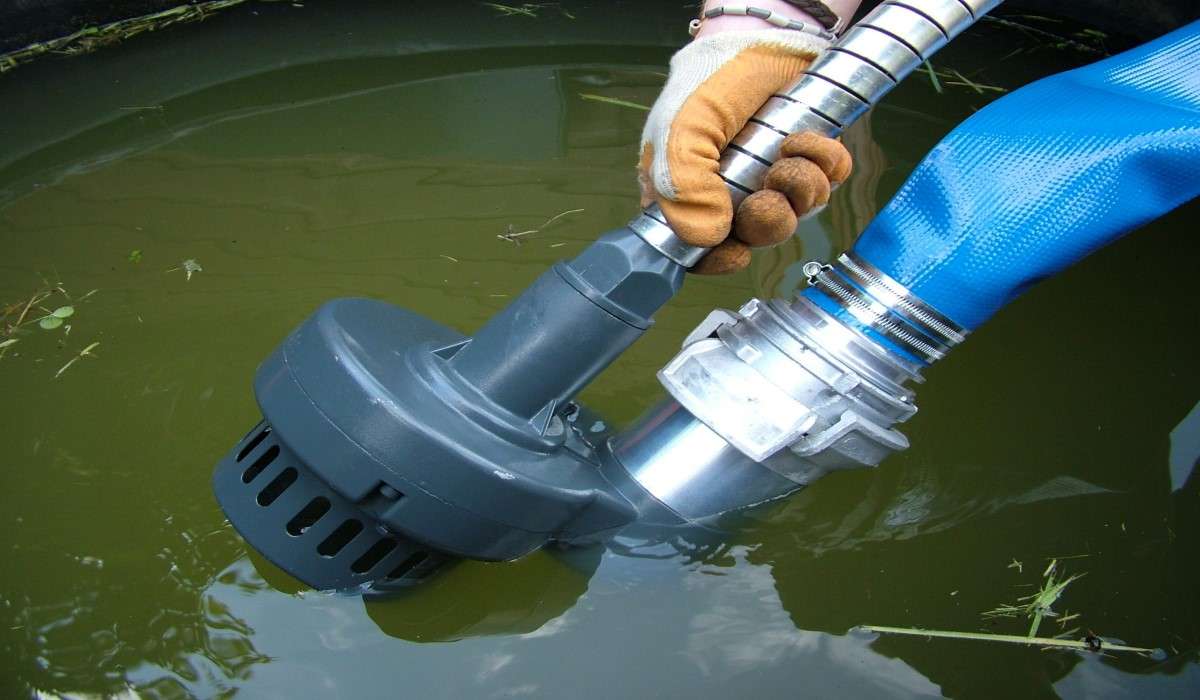
Transmissions that use fluid Irrigation Sumps in the basement Save the vessels! Higher water pressure Sewage cleanup Solutions for self-priming pumps The following self-service pump options are available from us: Self-service FPS pump
Self-service FPS pumps Self-priming pumps from FPS are designed for both soft and hard water
The pumps have self-priming mechanisms to lessen the chance of air entrapment, and they can handle solids up to 3 inches in diameter or length
At GIE, we offer electric motor, frame motor, and gas motor types of FPS self-priming pumps
Depending on the model, gas engine types can produce up to 27 horsepower
The priming pump is for sale at Gould’s
Self-priming suction pumps for transparent liquids from Pompe Gould Clean water can be treated by these self-priming pumps for a range of commercial and industrial uses
They may be integrated with almost any relevant system because they are available with sealed motors, portable contractor pump types, and bronze fittings
The self-priming suction pumps from Gould can withstand fluid pressures of up to 250 PSI and temperatures of 250 °F
Marlow self-priming pumps from the 20EVP series
Self-priming Marlow series pumps These self-priming pumps are made to be mounted 10 to 20 feet above the liquid level without the danger of lifting into the air
Depending on the particular model used, they can handle solids of various sizes in addition to clean water
Marlow specializes in vertical inline pumps for use in chemical and petroleum systems in industrial settings
Self Priming Pump Working
Self priming pump types are a unique kind of liquid pump that is created to have the required liquid within the cavity or body to begin the pumping working
In process plants where pumps are utilized for a variety of repeated yet intermittent processes, this enables enhanced operational efficiency
Pumps are used in process lines in the sanitary and hygienic processing industries to carry out a variety of functions
Products are moved along process lines
Clean in situ (CIP) fluids are pumped into pipes and components to clean and disinfect them
Empty tanks and drums and transfer liquids from one container to another Some pumps are made to always contain the necessary operating fluid in the chamber or body of the pump
These pumps are referred to as “self-priming
” Other pumps need to have starting fluid added to them before they can run
There is no clear advantage of one type of pump over another
The only factors are the frequency and use of the pump
A SELF-PRIMING PUMP’S WORKING MODEL Some kinds of pumps are made to automatically prime
This kind of pump’s close tolerance moving parts seal fluids inside the pump body and keep the discharge side from switching back to the suction side while the pump is not in use
These kinds of pumps can control so-called “air pockets” better since there is always liquid inside the pump body
Air pockets are collections of air bubbles that can obstruct a pump’s ability to function properly
Centrifugal type pumps are the most common liquid pumps utilised in the sanitary processing industries
What are centrifugal pumps? Simple\ Hard Relative bargain Ideal when tough suction circumstances exist for pumping water and other low viscosity fluids like CIP solutions
A V-type centrifugal pump with a vacuum pump and a positive seal placed close to the drain port is frequently used for these kinds of low viscosity fluids
In order to fill with liquid, the V-type centrifugal pump may simply draw vacuum
Standard centrifugal pumps, however, are not made to be self-priming
Standard centrifugal pumps do not seal fluids when not in use, unlike the pumps that have already been discussed, though modifications to the pump housing design might make some of these pump types self-priming
When centrifugal pumps are used, the liquid inside the pump cavity or chamber is rotated by the impeller, which causes the liquid to be displaced and forced to flow through the pump discharge port by centrifugal force
Typically, fluids enter the pump at the impeller’s center and exit through a port on the pump body’s outer edge
A monoblock design, in which the motor is frequently coupled directly to the pump motor, is used
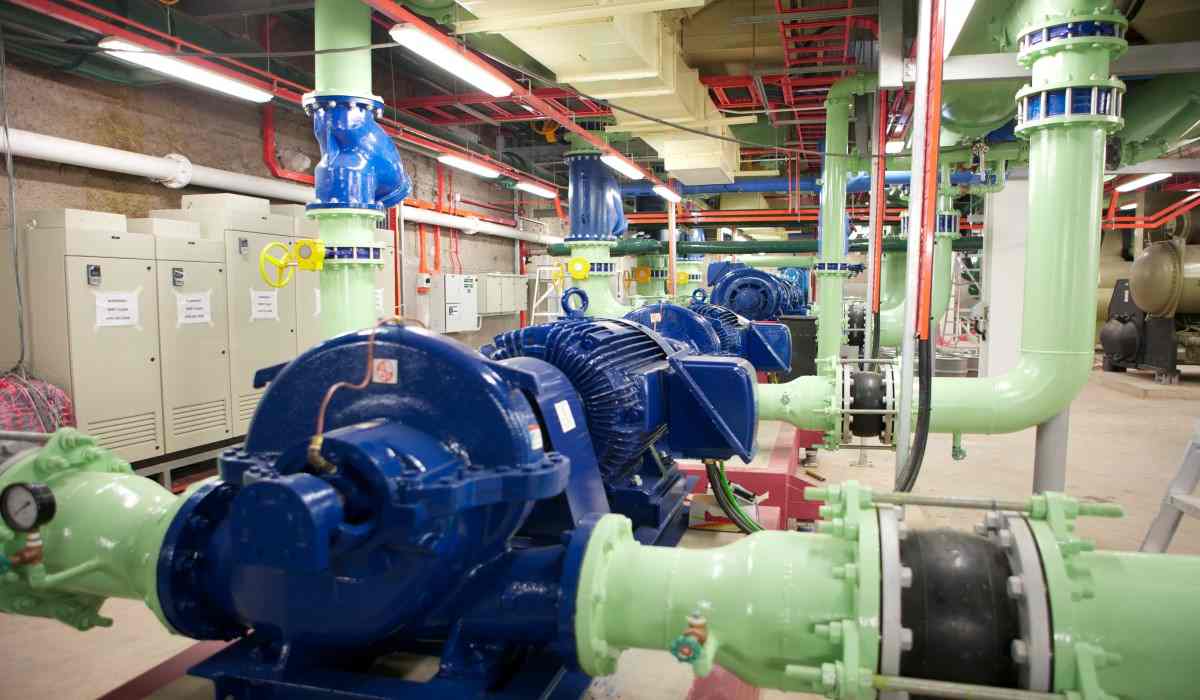
The biggest threat to this kind of pump is air
A typical centrifugal pump may become “air restricted” and stop working when it comes into contact with air pockets
Because typical centrifugal pumps lack tightly coupled pumping components like gears or screws and have no seals between the suction and discharge sides of the pump, air entrainment is a common problem
By initially blending the fluid during the priming process, self-priming centrifugal pumps prevent air entrapment in the pump impeller
Pump motor with self-priming When the pump is first started up, this combination enables the resulting mixture to travel readily through the pump body, removing air and facilitating the flow of product to the suction side of the pump
Normal pump action starts as the process fluids and any trapped air travel toward the impeller
A self-priming centrifugal pump differs from a regular centrifugal pump in that the fluid reservoir is integrated into the pump body, usually above or in front of the motor
During the priming cycle, this reservoir enables the pump to remove air from the pump casing and suction line and replace it with reservoir fluid, which mixes with any remaining air
Due to the tank’s capability to hold fluid after initial startup, this type of centrifugal pump has the ability to “self-prime
” SELF-PRIMING CENTRIFUGAL PUMP BENEFITS It can manage various liquids
Works effectively with suspended solids, caustic liquids, and sludge Self-priming centrifugal pumps, as opposed to submersible pumps, can keep pumping fluids even after they are removed from a tank or other container of fluids
Because the pumping steps are omitted upon startup, this is ideal for frequent and irregular pumping
SELF-PRIMATING CENTRIFUGAL PUMP CONTRAINS Without pre-priming fluid in the pump tank, it cannot function

This kind of centrifugal pump may be larger than a regular model since a fluid reservoir is required, which might be problematic in situations with limited space
To prevent running out of pump fluid during self-service activities, should be as close to the production lines as possible