Submersible Jet Aerator Pump
The gas mixing chamber of the jet aerator series of submersible pump which has a one-of-a-kind design that features a significant quantity of air intake
The combination of air and water can result in the formation of many tiny air bubbles and a high rate of air solubility
It is possible to maintain the required flow rate of activated sludge by utilizing the pressure that is generated by the wheel as it passes through the jet orifice
This pressure results in the production of a powerful water flow, which is then produced by jetting after the water has been mixed with air
This efficient movement of oxygen through the water is achieved along with a good mixing effect
floating
The unit is intended to function on water while producing a low number of turns and a low degree of noise; in addition to the silencer assembly, the ground air intake duct may be added
Because there is no longer a prerequisite for a separate echo chamber, the price may be brought down
The air bubble generation section of the integrated unit is formed by the submersible jet aerator’s specially designed aeration pump, which also forms an automatic connection between the device and the integrated unit itself
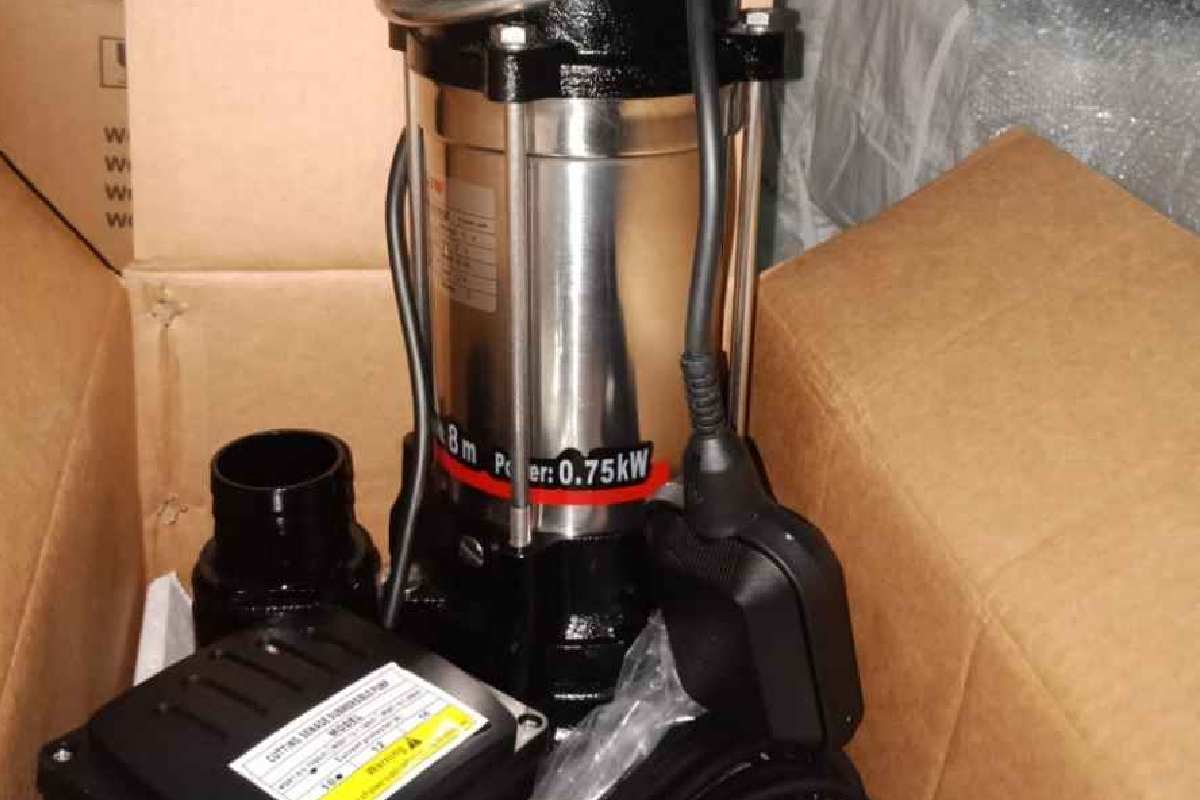
Limescale does not impede the performance of the high-performance impeller found in this specialized aeration pump
As a result, it has a very high life expectancy
The spacer tube, nozzle holder, gas mixing chamber, and air duct are the components that make up the air bubble creation section
The nozzle holder that is connected to the pump outlet is where the water that is pumped into the gas mixing chamber at a high speed comes from
After being combined with the flow of water, the air that has been drawn in through the air inlet duct of the gas mixing chamber is then discharged through the spaced tube
An induction channel, an address board, and a communication unit are the constituent parts of the auto-communicator, which is a device
When performing maintenance on the apparatus, it is possible to draw the pump directly from the water through the induction line using the device that is attached
The main collection tank has the capability of having the submersible jet aerator act as an agitator for the tank
When compared to the conventional arrangement of ventilation fans used for aerating sewage and industrial waste, this product is by far the most useful and efficient option available
The acceleration of growth in the industrial manufacturing sector over the past few decades has contributed to an overall rise in the standard of living attained by the population
Additionally, it has resulted in significant issues with regards to industrial effluents and home sewage
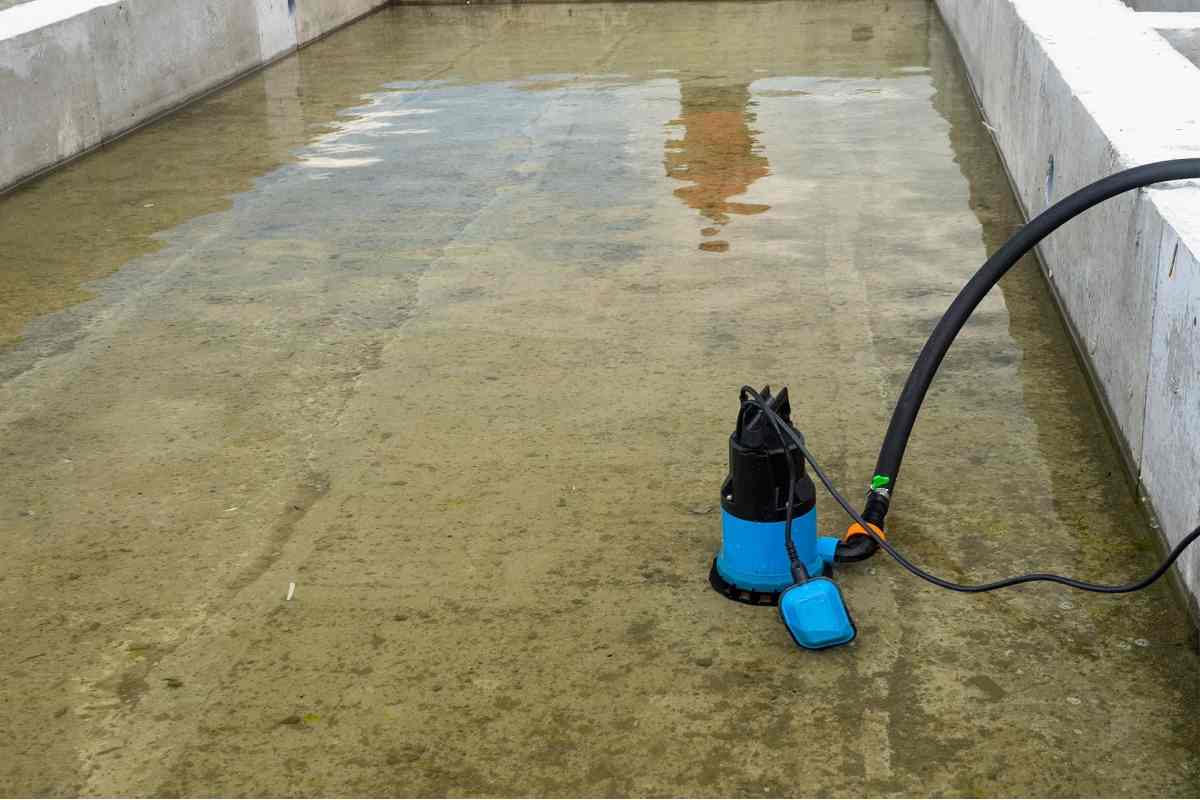
The ecosystem has been harmed, and our water supply has been gravely tainted, as a result of the discharge of large quantities of sewage
Toshio Technology expends significant effort toward the development of devices for treating wastewater
In addition to sewage pumps, the company has also created a submersible aerator for the purpose of efficiently increasing the pace at which sewage is treated
These aerators have found widespread application in sewage treatment plants located both in the United States and abroad
The JA series of self-priming submersible aerators can be utilized in sewage treatment plants for the purpose of both aerating and mixing the sewage
Due to the unique construction of the impeller, a forceful flow of water and air that is combined together is produced, which in turn supplies oxygen to the wastewater
To convey water flow to foundation basins or water tanks to assist in preventing contamination buildup in the tank and pool; designed for live sewage, wastewater treatment, and oxygen delivery for aeration and agitation
In a self-priming aerator, an oxygenator known as a submersible jet aerator adds oxygen while also mixing sludge and water
Another name for this type of aerator is a submersible aerator
It is possible to install it underwater or to attach it to items that are floating
The water that is pumped by the circulation pump makes its way into the mixing chamber via the main pipe and the inner nozzle
There, the gas is broken up into small bubbles to form a mixture of air and water that is high in oxygen, and the turbulent flow is cross-linked with the air and water tangential that is emitted from the external nozzle
The combination of air and water creates a force that acts in both the horizontal and vertical planes
This leads the water in the surrounding area to flow forward, which further contributes to the formation of a thorough mixing and rotation as a result of the combined action of the two forces
buoyancy in both the horizontal and vertical planes
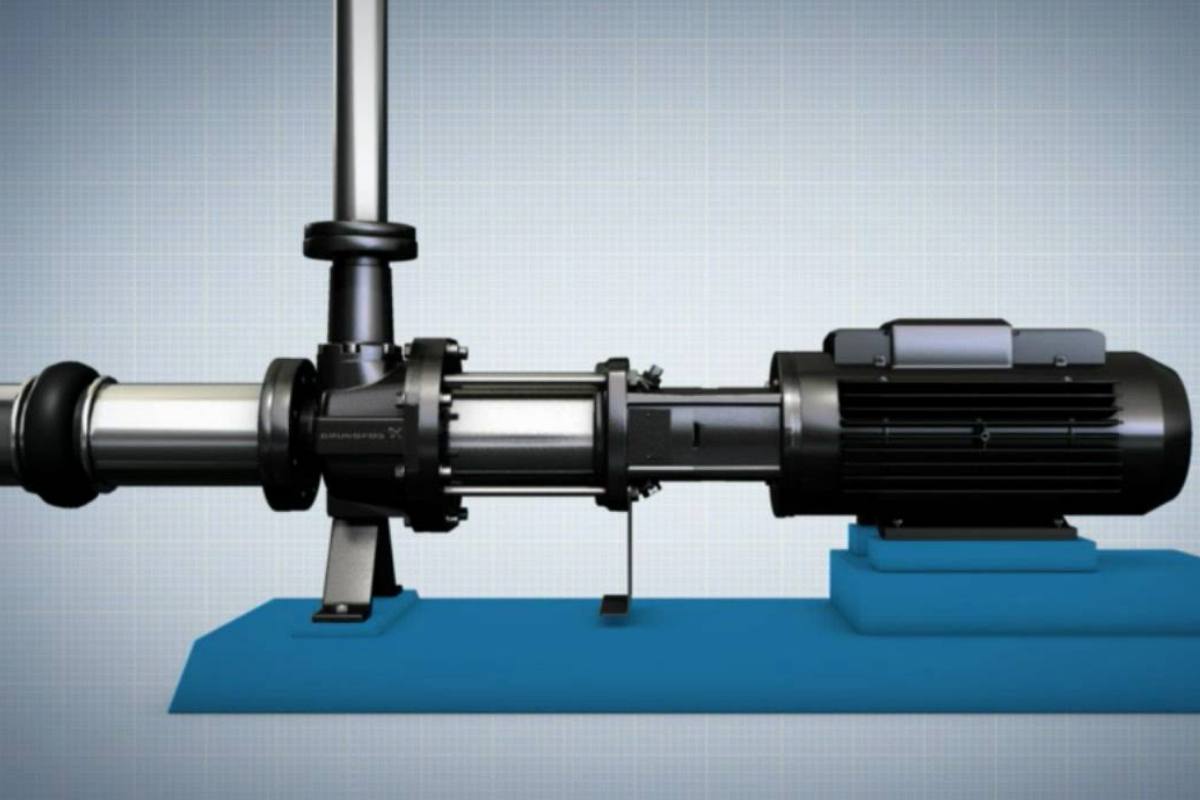
The submersible jet aerator’s primary function is to provide oxygen to sewage treatment aeration ponds in the leather, pulp and paper, chemical, pharmaceutical, and petrochemical industries
It is also utilized for the treatment of municipal wastewater and aerobic sludge digestion
In addition to this, it may be utilized to manage the supply of air and nitrogen at the same time by manipulating the air supply
In many different kinds of water, wastewater, and biowaste treatment processes, jet aerators are an essential piece of equipment
The primary function of this apparatus is to introduce oxygen into a liquid or a suspension
Suction technology is utilized in the operation of the jet aerator, which functions by forcing large volumes of fluid and air with a high kinetic energy through one or more jet nozzles
When the main internal jet expels its fluid at a high velocity, it quickly combines with the air that is entering the exterior jet
Before the column of gas bubbles rises vertically towards the liquid surface, there is significant mixing and a high degree of turbulence in the gas/liquid cloud
This intense mixing and turbulence moves outward from the jet along the bottom of the basin
In the vast majority of applications involving biosolids and industrial wastewater, jet aerators provide greater oxygen transfer efficiency in comparison to alternative aeration technologies
Higher alpha factors are produced as a consequence of the hydrodynamic conditions present in microbubble jets and clouds
These conditions result in continual surface regeneration at the gas/liquid interface
This, in combination with the presence of extracellular enzymes and high concentrations of MLS, leads to an improvement in the efficiency with which oxygen is transported
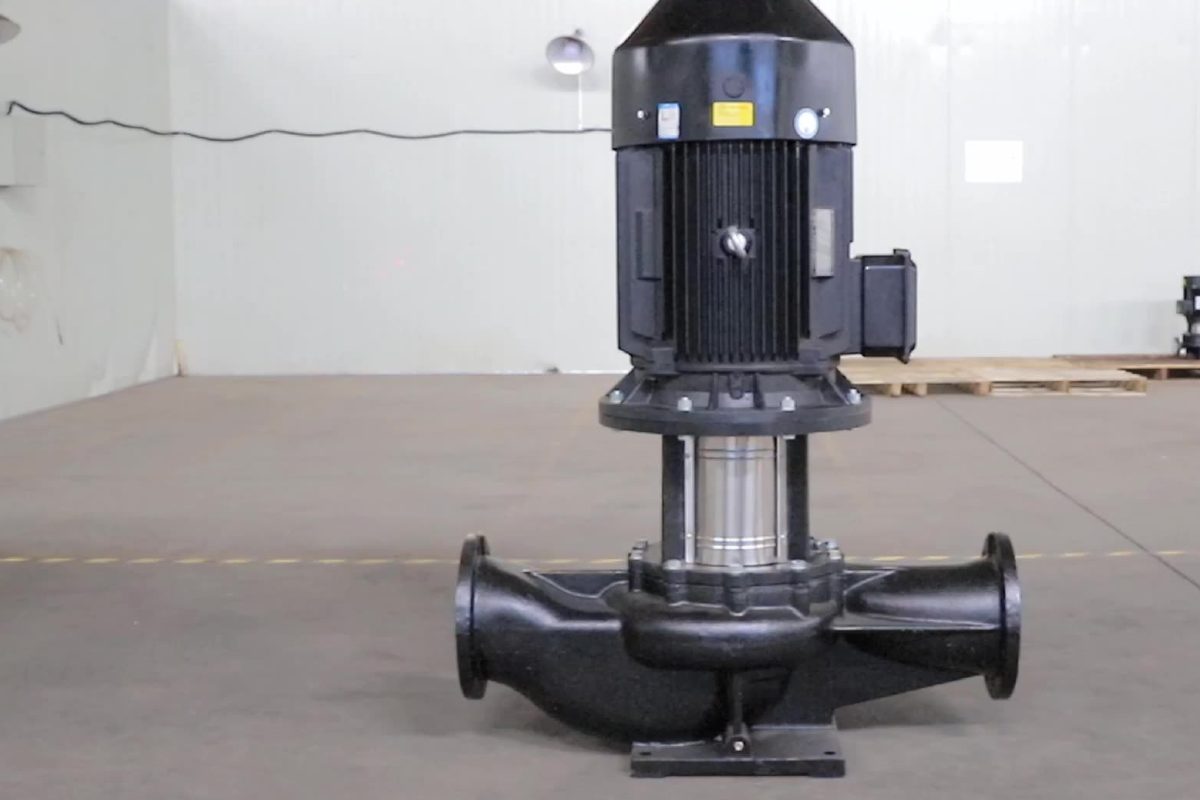
The only supply of air that jet aerators need is the surrounding atmosphere; they do not require an additional air source such as a compressor
Jet aerators can either be installed as submersible units or ducted through the tank wall, utilizing an external dry-mounted grinder pump to feed the suction ejectors
Both installation methods are described further below
Any pond design, including round, rectangular, and ring reactors, as well as ponds with sloping wall surfaces, can be simply constructed with jet aerators because to their adaptability
Deep reservoir activities are ideally suited for the use of jet aerators
The jet oxidation trench is an example of a technological innovation in which the treatment process is made exceptionally effective by combining a deeper vessel design with upward mixing and the conservation of momentum
In this and other applications, autonomous control of oxygen delivery and mixing is a beneficial feature that contributes to energy savings while also facilitating improved process control