Submersible Solar Pumps Price List in 2023
In this writing we will explain these questions? What is a submersible water pump? What is the price? What are its applications and features? Stay with us to know the answers
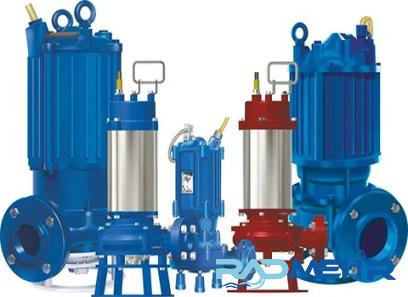
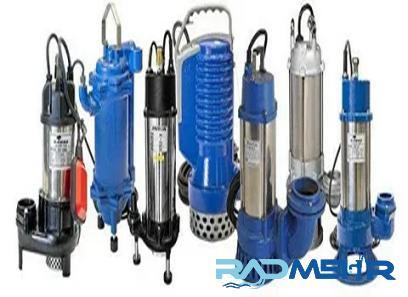
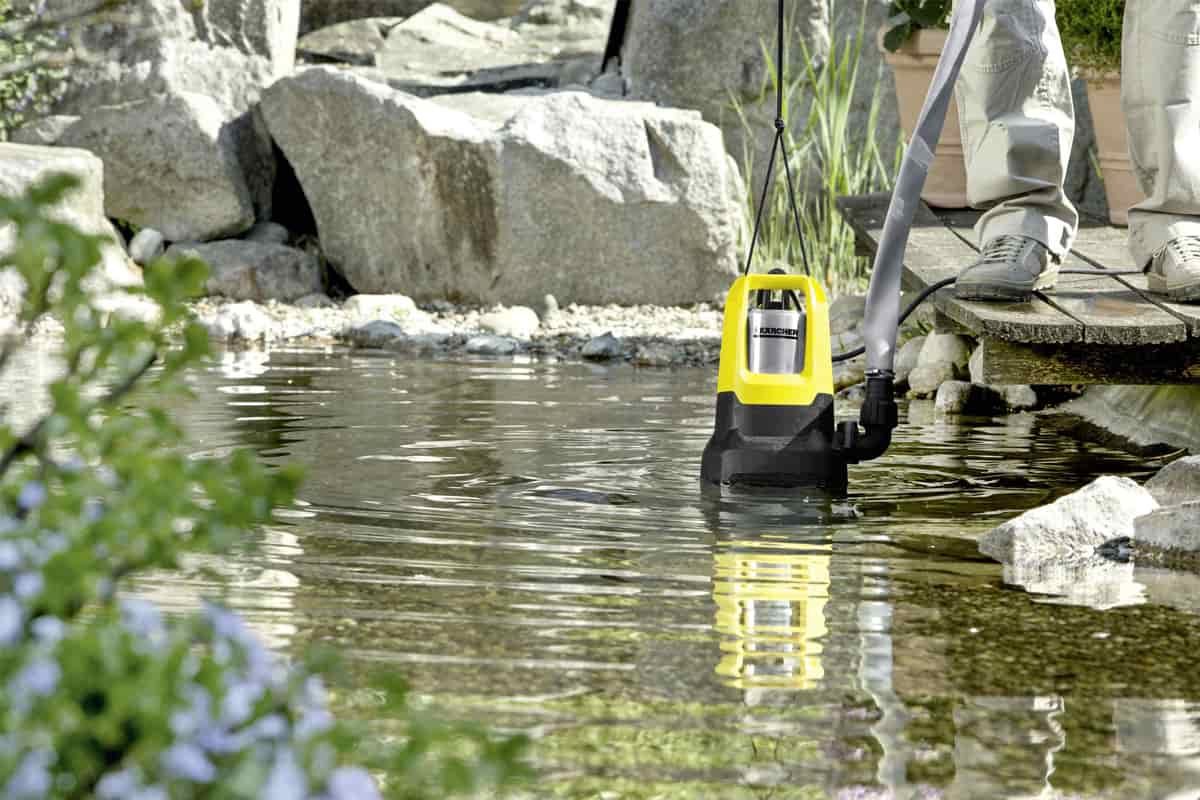
A submersible pump is a sort of sealed pumping equipment that pushes water through the pumping process rather than pulling it
As the name suggests, the pump may work this way because it is totally submerged in the liquid to be pumped
Due to this, the pump may be lowered into a deep pit without experiencing issues like pump cavitation, which can harm moving parts and produce steam bubbles
There are many industrial and commercial uses for submersible pumps
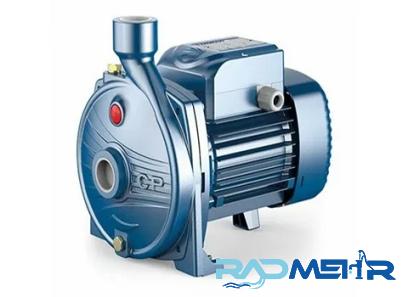
Basics of centrifugal pumps
The whirling impeller and rotating vanes of centrifugal pumps are typically composed of metal
These vanes help the propellant fluid receive energy from the engine
The fluid accelerates when it enters the impeller because of the rotation of the impeller
High speed fluid finally leaves the impeller blades, where the kinetic energy is often transferred to pressure
Design of submersible pumps
There are single-stage and multi-stage submersible pumps
A motor is housed in each stage’s housing, which is mechanically sealed to stop leaks
The body of the motor extends into a tube or hose heading to the surface, and it is connected to a cable that produces electrical power to run the motor
Submersible pumps can be linked to various pipes, hoses, or wires depending on the task and the liquid being pumped
Housings for submersible pumps can be constructed from a variety of metals, including polymer, stainless steel, and chrome
The fact that the cover is hermetically sealed is its most crucial feature
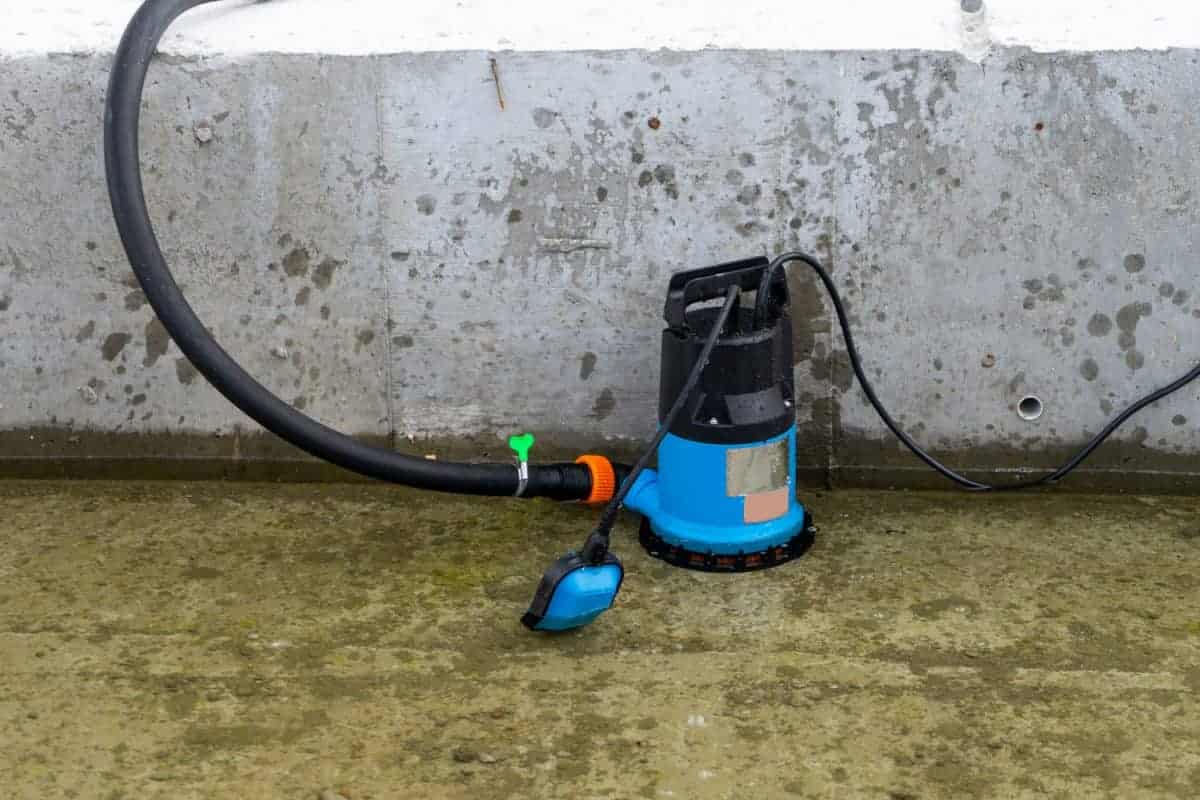
The motor can quickly short out and be very expensive to replace if fluid spills into the housing
For harder work, some covers include a double mechanical construction
In commercial applications, the cable feeding the motor is typically 50 feet long, but it can be much longer in large industrial settings, like oil wells
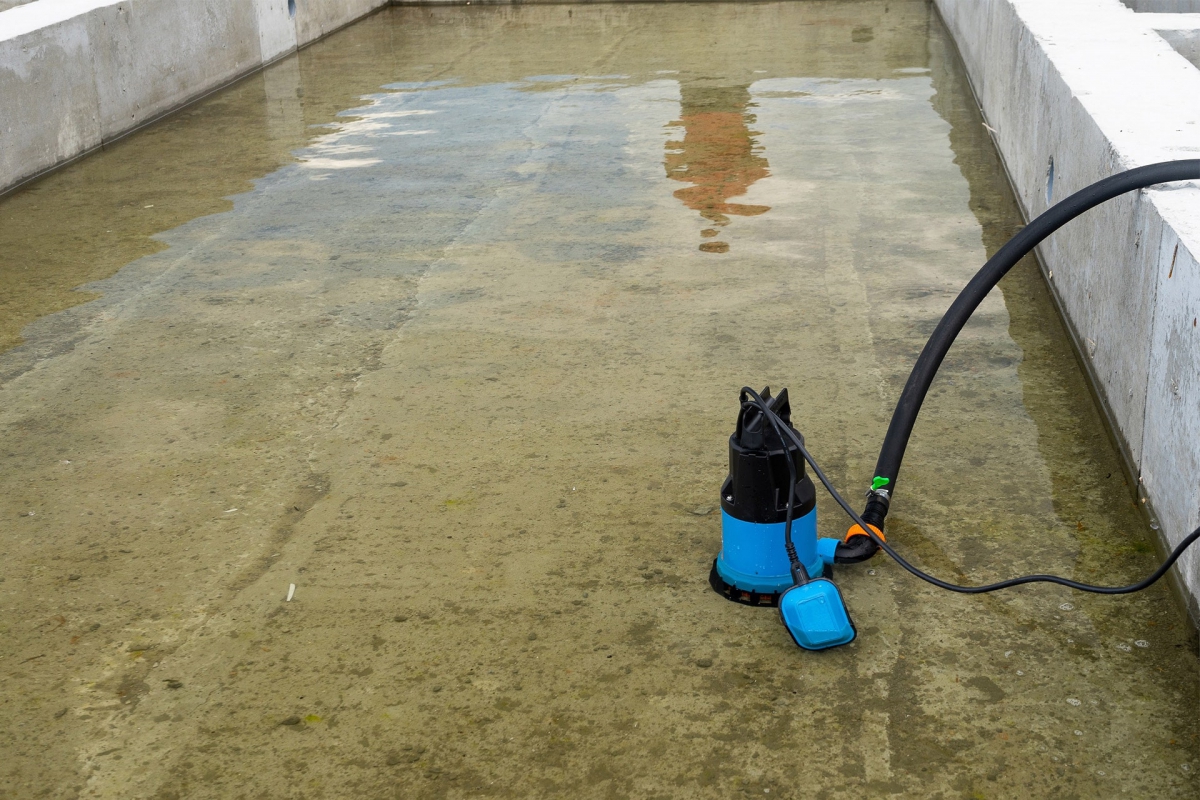
A float switch that activates the motor when the pump is completely immersed is present in many housings
Regarding energy usage and pumping speed, submersible pumps provide a number of benefits
The majority of submersible pumps are rated as being effective for a variety of fluids, but at greater depths, more viscous fluids cause pressure issues, necessitating the use of a more potent pump
Additionally, choosing a submersible pump rated for handling solids can be crucial because some processes may include the presence of solid particles and other random material in the liquid
Solids-handling submersible pumps typically incorporate agitators or spray apertures to mix the solid particles with the liquid and make the machine’s job of pumping it out of the earth easier
Features of submersible pumps
The electric submersible pumping principle underlies the operation of many submersible pumps (ESP)
This is accomplished by lowering the flow pressure, which lowers the pressure at the submersible pump’s location at the bottom of the shaft
Since ESP system motors must function at high temperatures (up to 300°F) and pressures, particularly deep wells like oil wells are frequently employed
In more recent advances, coiled tubular umbilicals may be used to power deep-well motors; but, because special electrical cables are required, their operation may be relatively expensive
Additionally, compared to other submersible pump motors, the power consumption is significantly larger, and the pump operates to a great extent that prevents particles and sand from entering

Submersible Water Pump
A device with a sealed motor linked to the water ump body is referred to as an electric submersible pump (ESP)
The fluid that will be pushed is submerged beneath the entire system
This kind of pump’s key benefit is that it doesn’t suffer from pump cavitation, a problem brought on by significant height differences between the pump and the fluid surface
Submersible pumps force the fluid to the surface as opposed to jet pumps, which generate a vacuum and rely on atmospheric pressure
In heavy oil applications, where a liquid under pressure from a surface is utilised to drive the bore of a hydraulic motor and hot water is used as the driving fluid, floats are employed in place of electric motors
Electric submersible pumps are multistage centrifugal pumps that run vertically
The diffuser, where kinetic energy is transformed into pressure, is where the impeller-accelerated fluid loses kinetic energy
This is how radial and mixed flow pumps operate primarily
Instead of being an electric motor, the motor in HSP is hydraulic, and it can either be closed cycle (keeping the power fluid and generated fluid apart) or open cycle (mixing the power fluid and generated fluid cavity and surface separation)
A mechanical coupling located at the pump’s base connects the pump shaft to the gas separator or protector
The pump stage raises fluid that enters through the input plate of the pump
Radial bearings (bushings), which are dispersed throughout the shaft and support the pump shaft radially, are among the additional components
Some of the axial forces produced by the pump are absorbed by optional thrust bearings, but the protective thrust bearings are responsible for absorbing the majority of these forces
Additionally, there are submersible pumps that utilize steel screws as its actuation components
These screws enable the pump to function in sand- and other mechanical-impurity-filled water
There are numerous uses for submersible pumps
Drainage, sewage pumping, normal industrial pumping, and slurry pumping are all done with single stage pumps
Their pond filters are well-known
Borehole-driven multistage submersible pumps are employed in oil and water wells as well as residential, commercial, municipal, and industrial water extraction
Sewage treatment facilities, seawater treatment, firefighting, well and deep well drilling, offshore drilling rigs, artificial lifts, mine dewatering, and irrigation systems are further uses for submersible pumps
Pumps used for flammable liquids or water that might be contaminated with flammable liquids must be built to prevent them from igniting the liquid or vapour in electrically dangerous locations
Applied to oil wells
In order to produce a sort of “artificial lift” that can function over a wide variety of flow rates and depths, submersible pumps are utilized in the oil industry
In comparison to natural production, the well can produce much more oil by lowering the pressure at the bottom of the well (by decreasing the flow pressure in the bottom hole or raising the drawdown)
When discussing hydraulic power, ESP (Electric Submersible Pumps) or HSP are meant (Hydraulic Submersible Pumps)
An ESP system consists of an underground component as well as a surface component, such as one that is housed in a production building on an oil rig (found in an oil well)
Transformers, surface cables, and motor controllers (typically variable speed controllers) are examples of surface components
When installed while still on the surface, the underground component joins the downhole end of a string of tubing and descends into the well with it
The subsurface motor is powered by a high voltage AC source that ranges from 3 to 5 kV
Until recently, installing ESPs was expensive due to the need for electrical wires to be run from the source to the engine
These wires needed to be linked to each junction and wrapped around the pipes at the joints
Conduit and electrical cables can be installed next to conventional coiled conduit units thanks to the new coiled conduit umbilical
There may also be cables for control and sensor data
A motor hole normally exits the pump portion of the underground component, which typically consists of a pump section and a motor section
The fluid is brought to the surface through the production pipe by the motor rotating the shaft and pump impeller
These parts must perform consistently at power outputs of up to 1,000 horsepower (750 kW), temperatures up to 149 °C (300 °F), pressures up to 5,000 psi (34 MPa), and well depths as deep as 12,000 ft (3
7 km)
The pump itself is a multi-stage machine, the number of stages of which are chosen according to operating needs
A diffuser and an impeller make up each stage
To accelerate the fluid radially outward close to the shaft, each impeller is coupled to a spinning shaft
The fluid then enters a non-rotating diffuser with vanes that steer the fluid toward the shaft but is not connected to it
Pumps have a diameter range of 90 to 254 mm and a length range of 1 to 8
7 meters
Typically, three-phase squirrel-cage induction motors with outputs ranging from 7
5 kW to 560 kW are utilized to power the pumps (at 60 Hz)
A seal that is fastened to the shaft that runs between the motor and the pump may also be part of the ESP assembly
a sand-rejecting screen and a fluid separator to distinguish between gas, oil, and water at the pump’s inlet
An ESP is much less effective with a considerable amount of gas greater than around 10% by volume at the pump input, thus separating the gas from the oil before pumping can be critical
A water/oil separator is a feature of some ESPs that enables water to be injected back into the well
Since bringing the fluid to the surface is expensive and some wells produce up to 90% water, re-injecting the water before raising it to the surface can lower energy use and boost profitability
The ESP does not hold up well against solids like sand because of its tight gap and spin speed of up to 4000 rpm (67 Hz)
Worldwide, more than 15 different oilfield ESP brands are in use
The type of floating pump cables developed for usage on wet ground or underwater is particular to the environmental circumstances of the pump
They are electrically conductive
Cables for submersible pumps are specialized items used in deep wells or other challenging environments
For this kind of application, the cables must be dependable and long-lasting
This is due to the installation site’s potentially unfriendly and constrictive environment
Therefore, both freshwater and saltwater applications are possible for floating pump cables
It can also be buried directly in oil wells
The area where floating pump cables can be installed is physically constrained
These elements must be taken into account by cable producers to reach the best level of reliability
The usage and preferences of the installer and the pumping equipment influence the size and shape of submersible pump cables
Pump cables can have a flat or rounded cross section and come in single-conductor and multi-conductor varieties
Control wires and power conductors for pump motors are a couple of its varieties
The entire cable sheath may also be color-coded, and conductors are frequently color-coded for identification
Submersible Water Pump Applications
A mechanical tool called a pump is used to transfer fluid like water from one location to another
New pumps for new applications such as submersible pumps, maintenance, and repairs are all offered by Pump Service
We are aware that in some circumstances, our clients may require a submersible pump
Here, we delve deeper into the definition, operation, and applications of submersible pumps
A submersible pump is what? Submersible pumps, as their name suggests, are pumps that are fully submerged in the fluid they are moving
This differs from a pump that is outside the fluid being pumped
The pump motor of Lethbridge’s submersible pumps is linked to the hull and sealed, making them entirely submersible
How are submersible pumps operated? Submersible pumps operate by pushing the fluid, as opposed to exterior pumps, which must bring the fluid to the surface
The impeller inside the pump body begins to rotate as soon as the submersible water pump is turned on
Water is drawn into the pump body by this rotation
The water is subsequently forced toward the surface by the impeller through the diffuser
What benefits can submersible pumps offer? Due to their numerous potential advantages over external pumps, Lethbridge’s submersible pumps are used in specific circumstances
The fact that totally submersible pumps don’t need priming is one of its many benefits
Since the water pressure helps transport the fluid into the pump, submersible pumps are more energy-efficient than external pumps
Submersible pumps also have the critical benefit of having a longer lifespan than external pumps due to the absence of mechanical issues

Most notably, cavitation is not a problem with submersible pumps
The development of air bubbles within a liquid is known as cavitation
The external pump may sustain significant harm if these bubbles burst
Regular uses for submersible pumps
Due to its benefits, submersible pumps have a wide range of possible uses in residential, commercial, and industrial settings
In Lethbridge, submersible pumps are most frequently used for, but not limited to:
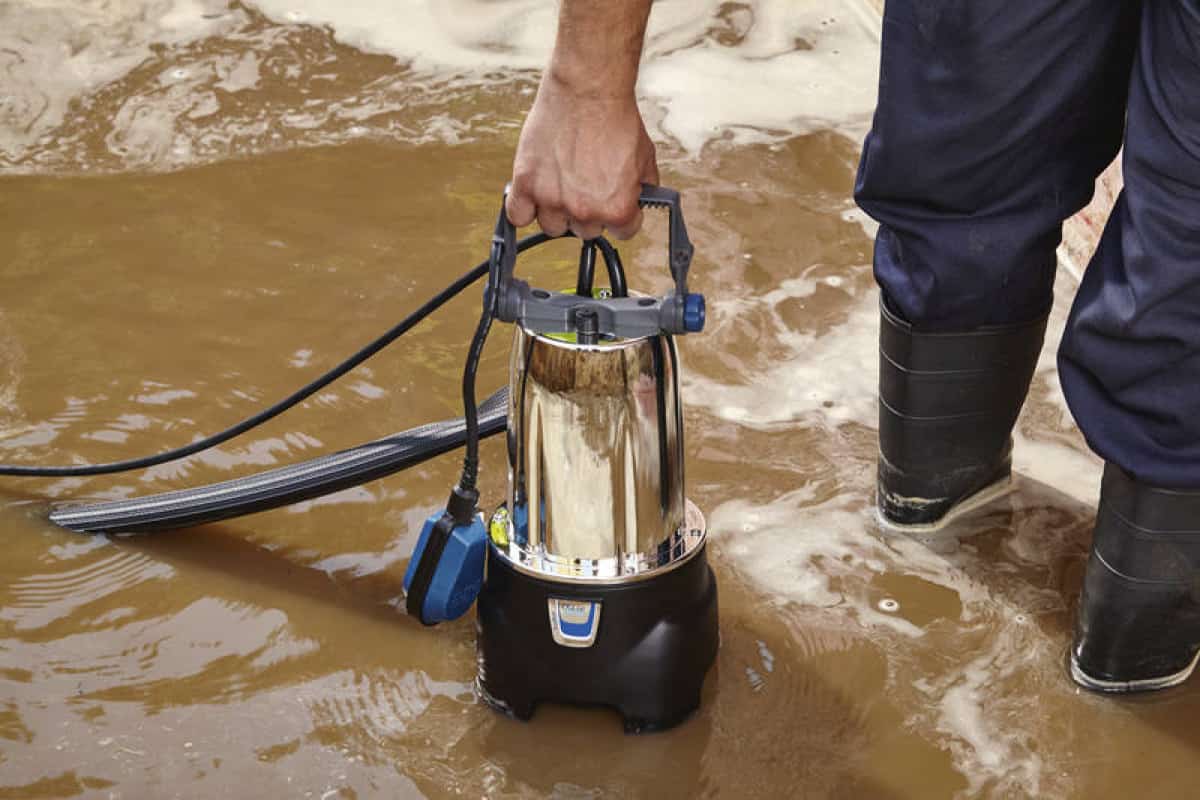
Water removal from a flooded basement
The septic tank is used to pump out sewage
Electricity supply for irrigation systems used in industry and agriculture
Pumping water out of sections of construction sites that are waterlogged
It moves oil from underground to a facility for refining and storing it on the surface
In order to fill above-ground storage tanks, it pumps water from deep underground wells
Sales and Repair of Submersible Pumps
You may rely on Pump Services to identify the best pumping solution for your requirements if you require a submersible pump
At Lethbridge, we provide a broad selection of pumps from renowned brands like Jacuzzi, Monarch, Armstrong, Bell & Gossett, including submersible pumps
Inform us of the application you desire
We are delighted to suggest the ideal submersible pump for your requirements