
In the vast world of industrial pumps, the centrifugal turbine pump stands out as a powerhouse of fluid handling.
From moving water in municipal water supply systems to processing chemicals in industrial plants, these pumps play a crucial role in various applications.
If you are in the market to purchase a centrifugal turbine pump, it’s essential to understand the working principles, key components, sizing considerations, and maintenance requirements to make an informed decision.
In this comprehensive guide, we will take you from zero to one hundred on everything you need to know about buying a centrifugal turbine pump.
.
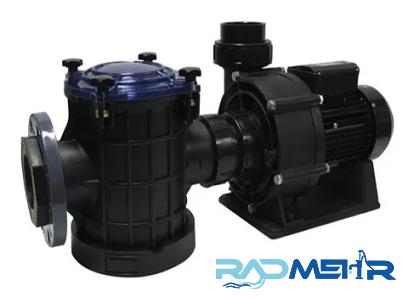
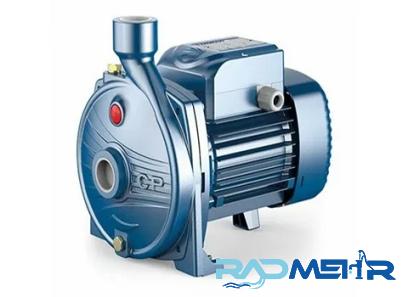
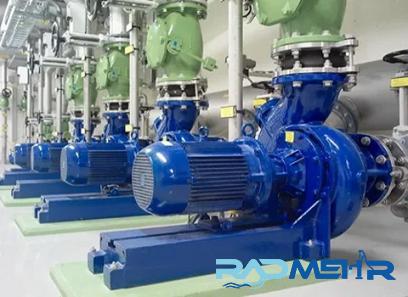
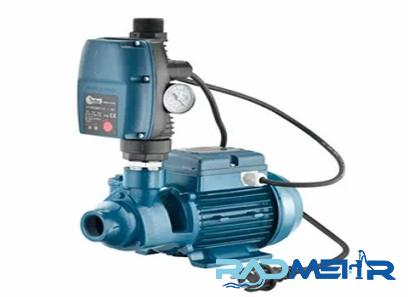
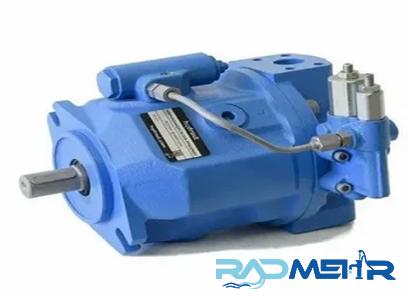 The centrifugal turbine pump is a dynamic mechanical device that converts mechanical energy into hydraulic energy, primarily used for transporting fluids.
It operates on the principle of centrifugal force generated by the rotation of an impeller. When the impeller spins, it creates a low-pressure zone at the center, causing fluid to be drawn into the pump inlet.
The fluid is then accelerated by the impeller and ejected at high velocity through the pump discharge. One of the key features of centrifugal pumps is their ability to handle large flow rates with relatively low head requirements.
This makes them ideal for applications where continuous fluid movement is essential, such as circulation systems, cooling towers, and irrigation systems.
Centrifugal pumps are known for their efficiency, simplicity, and versatility, making them a popular choice across various industries.
.
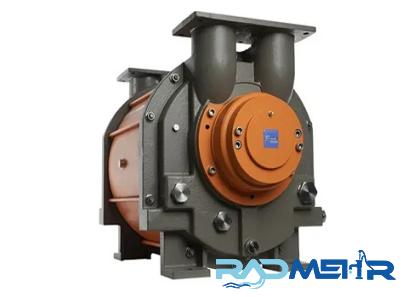 The type of fluid being pumped (e.g., water, chemicals, slurries) and its characteristics (temperature, viscosity, corrosiveness) are essential considerations in pump selection.
Different materials of construction and design features may be required to handle specific fluids effectively.
Operating Conditions: The operating environment, including temperature, pressure, altitude, and ambient conditions, can influence the pump’s performance and longevity.
Choosing a pump that is compatible with the operating conditions will ensure reliable operation and minimal maintenance requirements.
Consideration should be given to the pump’s ease of installation, accessibility for maintenance, and availability of spare parts.
Proper installation and regular maintenance are essential for maximizing the pump’s lifespan and preventing costly downtime.
.
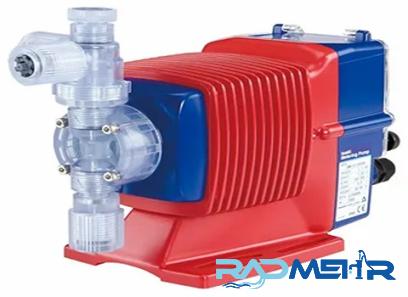 In conclusion, buying a centrifugal turbine pump requires a thorough understanding of the pump’s components, working principles, sizing considerations, and maintenance requirements.
By taking into account factors such as flow rate, head, fluid properties, and operating conditions, you can select the right pump for your application to ensure optimal performance and efficiency.
Regular maintenance and troubleshooting practices will help prolong the pump’s lifespan and minimize downtime, ultimately leading to cost savings and enhanced operational reliability.
With the knowledge gained from this guide, you are now equipped to make an informed decision when purchasing a centrifugal turbine pump.
Your comment submitted.