
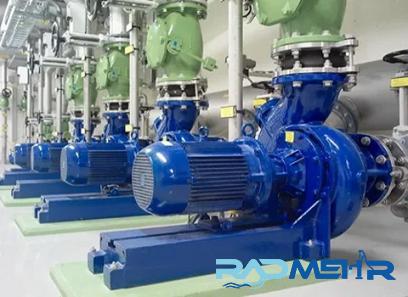
Centrifugal irrigation pumps play a crucial role in agricultural and industrial settings, efficiently moving water from a water source to the fields or designated areas.
These pumps are designed to handle large volumes of water and are known for their reliability and ease of use.
In this comprehensive guide, we will dive deep into the world of centrifugal irrigation pumps, exploring their working principles, key features, benefits, and factors to consider when buying one.
By the end of this article, you will be equipped with the knowledge to choose the perfect centrifugal irrigation pump for your specific needs.
.
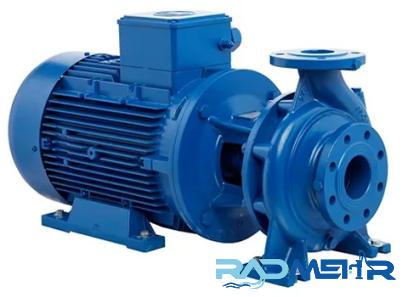 Key Components of Centrifugal Irrigation Pumps
1. Impeller: The impeller is the heart of a centrifugal pump, responsible for transferring energy to the water and creating the necessary flow and pressure.
Impellers come in various designs, such as closed, open, semi-open, and multi-stage, each suited for different applications and flow rates.
2. Pump Casing: The pump casing houses the impeller and serves to guide the flow of water through the pump.
It is designed to minimize friction losses and maintain the efficiency of the pump.
3. Shaft and Bearings: The shaft connects the motor to the impeller, transmitting the rotational energy necessary for pumping.
Bearings support the shaft and reduce friction, ensuring smooth operation and longevity.
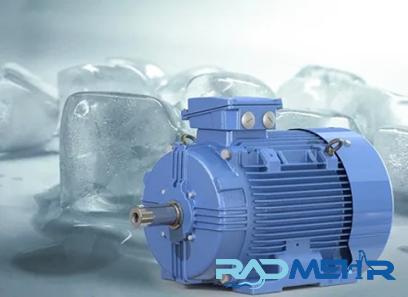
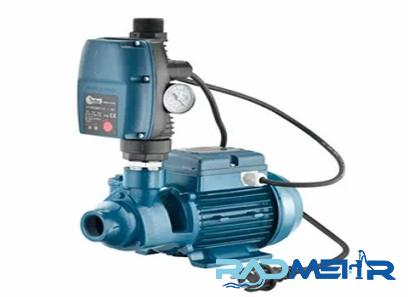
4. Motor: The motor provides the power source for the pump, driving the impeller to create the centrifugal force needed to move water.
Motors can be electric, diesel, or gasoline-powered, depending on the application.
.
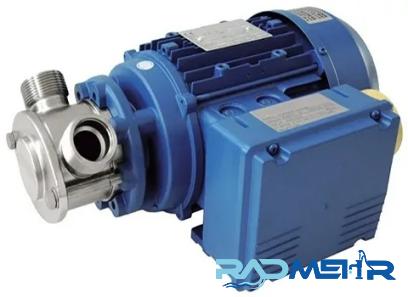 Factors to Consider When Buying a Centrifugal Irrigation Pump
1. Flow Rate and Head Pressure: Determine the required flow rate and head pressure based on the size of your irrigation system and the distance to be covered.
Select a pump that can meet these requirements efficiently.
2. Power Source: Consider the availability of electricity or fuel on your site to choose the appropriate type of motor for your centrifugal pump.
Electric pumps are more common, but diesel or gasoline-powered pumps may be necessary in remote locations.
3. Pump Size and Portability: Ensure the pump size is suitable for your installation space and that it can be easily transported if needed.
Portable centrifugal pumps are ideal for temporary irrigation setups or emergency situations.
4. Construction Material: Select a pump made from durable materials such as stainless steel or cast iron to withstand harsh environmental conditions and ensure longevity.
.
 In conclusion, centrifugal irrigation pumps are essential tools for transferring water in agricultural and industrial settings, offering high efficiency, versatility, and cost-effectiveness.
By understanding the working principles, key components, benefits, and factors to consider when buying a centrifugal pump, you can make an informed decision and choose the best pump for your irrigation needs.
Invest in a quality centrifugal pump that meets your requirements and enjoy reliable water transfer for your fields or operations.
Your comment submitted.