
In the realm of agriculture, water is a precious resource that directly impacts crop yields and overall farm productivity.
Farm irrigation well pumps play a crucial role in efficiently and effectively distributing water to crops, ensuring optimal growth and harvest.
Choosing the right farm irrigation well pump is essential for maintaining a reliable water supply and maximizing agricultural output.
This comprehensive guide will take you from zero to one hundred on everything you need to know about buying a farm irrigation well pump.
Farm irrigation well pumps are designed to draw water from underground wells and deliver it to various parts of the farm for irrigation purposes.
These pumps come in different types and sizes, each suited for specific agricultural needs.
The primary function of a farm irrigation well pump is to provide a consistent and sufficient water supply to crops, regardless of variations in natural water sources.
.
 Types of Farm Irrigation Well Pumps
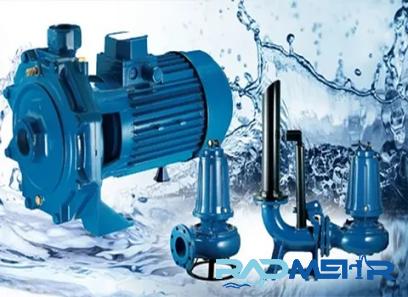
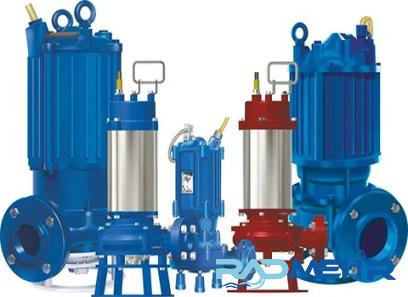
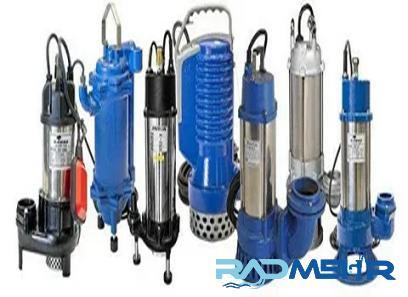
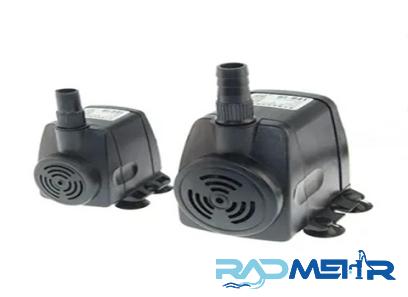
1. Submersible Pumps: Submersible pumps are designed to be submerged in water, typically in a well or reservoir.
These pumps are more energy-efficient and provide higher water pressure, making them ideal for deep well applications.
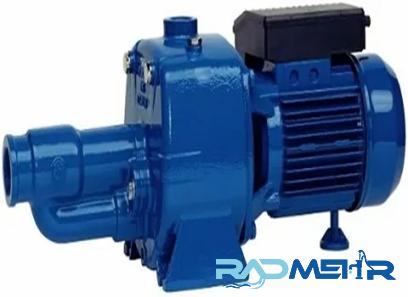
2. Surface Pumps: Surface pumps are installed above ground and draw water from a water source such as a pond, stream, or shallow well.
While these pumps are easier to access for maintenance, they are less efficient and suitable for shallow water sources.
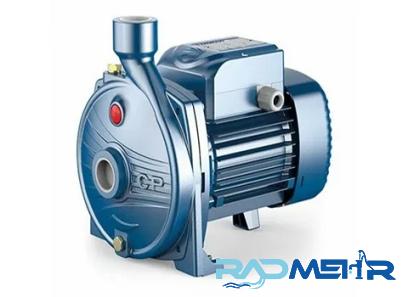
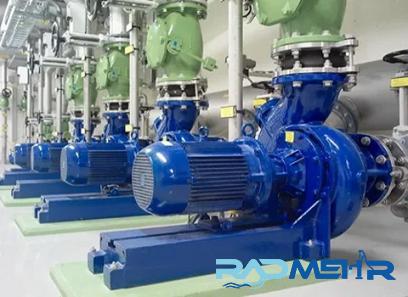
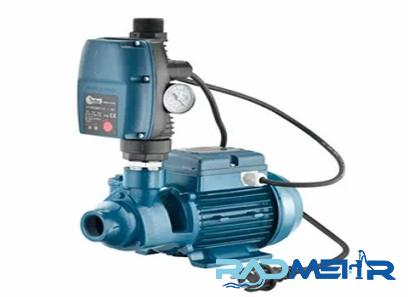
3. Centrifugal Pumps: Centrifugal pumps work by using rotational kinetic energy to move water through the pump.
These pumps are versatile and can handle a wide range of flow rates, making them a popular choice for farm irrigation systems.
.
 Factors to Consider When Buying a Farm Irrigation Well Pump
1. Water Requirements: The first step in choosing a farm irrigation well pump is to assess the water requirements of your farm.
Consider factors such as the size of the farm, water source availability, crop water needs, and irrigation system efficiency.
2. Pump Capacity: The pump capacity, measured in gallons per minute (GPM) or liters per second (LPS), determines how much water the pump can deliver to the irrigation system.
Select a pump with sufficient capacity to meet your farm’s water demands.
3. Pump Head: Pump head, measured in feet or meters, indicates the maximum height the pump can lift water.
Consider the elevation differences between the water source and the irrigation points on your farm to determine the required pump head.
.
 Navigating the process of buying a farm irrigation well pump may seem daunting, but with a clear understanding of the basics, key factors to consider, and best practices to follow, you can make an informed decision that benefits your farm’s water management and crop production.
Remember to prioritize water efficiency, energy savings, durability, and compatibility with your irrigation system when selecting a farm irrigation well pump that meets your agricultural requirements.
By investing in the right pump, you are investing in the success and sustainability of your farm for years to come.
Your comment submitted.